
Underfloor Heating Sydney
- Trusted Brand across Australia & NZ
- 30+ Years of Experience
- Fast & Efficient Home Heating
- Custom Designs for Every Room
- Smart Controls & Affordable Pricing
- Space-Saving & Aesthetic Appeal
Contact Us for a Free Quote
New customers receive 10% off
We will get back to you as soon as possible.
Please try again later.
Underfloor Heating Sydney: Complete Guide to Floor Heating Systems
Underfloor heating is one of the most comfortable and efficient ways to heat a Sydney home. By gently radiating warmth through the floor, it removes cold spots, keeps floors warm underfoot, and delivers consistent heat across your living space. At Livella Underfloor Heating, we design electric underfloor heating systems specifically suited to Sydney’s mild, temperate climate.
This guide is written for Sydney homeowners who are actively exploring underfloor heating. We cover everything you need to know—from understanding electric floor heating systems to installation costs, efficiency, and suitability for renovations or new builds. Whether you’re upgrading a bathroom, renovating a home, or planning a full-house heating solution, we’ll help you make an informed decision.
By the end of this guide, you’ll clearly understand:
- Realistic installation costs in Sydney
- Which system best suits Sydney’s mild winters
- How to maximise energy efficiency with floor heating
- What to look for in a qualified underfloor heating installer
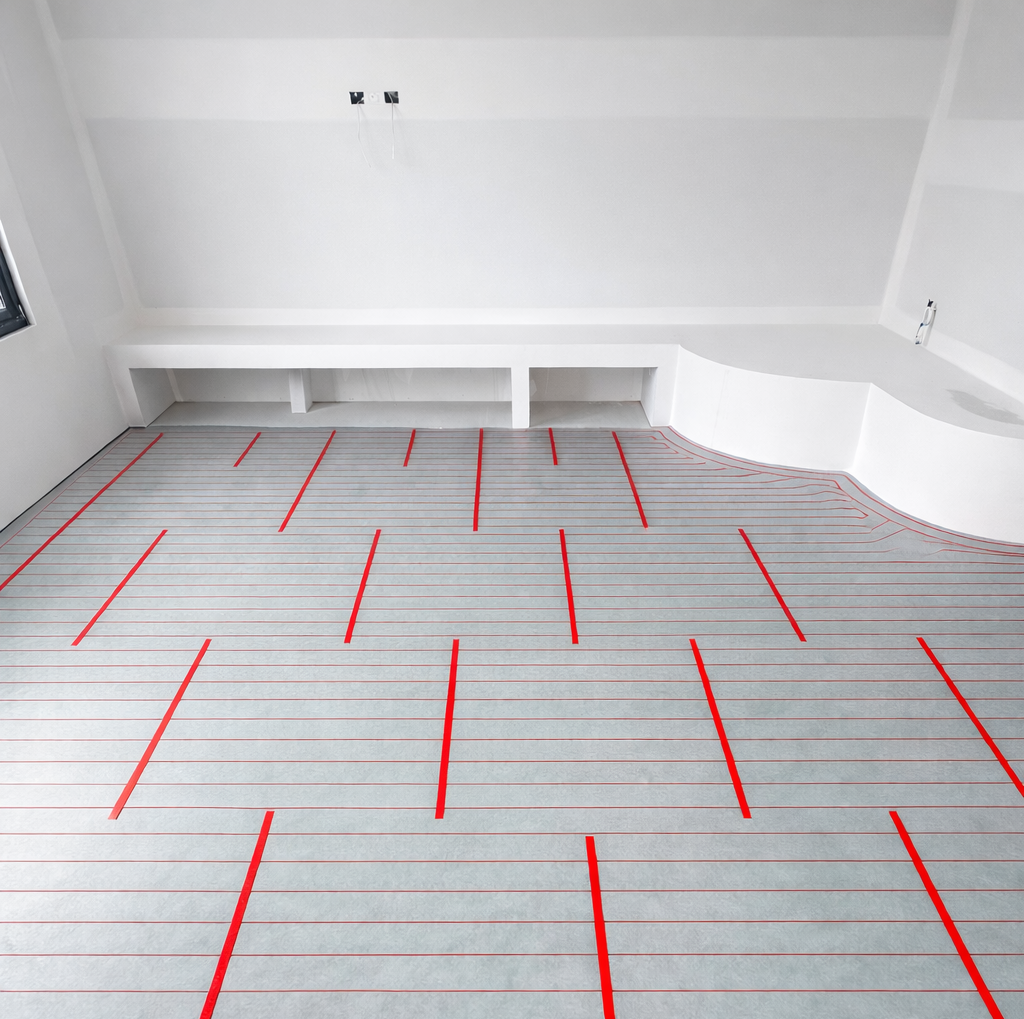
Understanding Underfloor Heating Systems
Underfloor heating works by radiating heat upward from beneath your floor covering. Instead of blasting hot air around the room, warmth rises evenly across the floor surface and gently heats the space above it. This creates a more natural and comfortable indoor environment.
For Sydney homes, underfloor heating is particularly effective. Our winters are cool rather than harsh, with average lows rarely dropping below 8–10°C. That means you don’t need high-output heating. Underfloor heating allows rooms to feel comfortable at lower air temperatures—often around 18–22°C compared to 24°C or higher with ducted systems—while using less energy and avoiding dry air.
Electric Underfloor Heating
Electric underfloor heating uses thin heating cables or pre-spaced mats installed directly beneath your finished floor. These systems connect to a thermostat and can be programmed to run only when you need them.
We regularly recommend electric systems for Sydney homes because they heat quickly, usually reaching comfort levels within 30–60 minutes. This suits Sydney’s changeable winter days, where mornings can be cold but afternoons warm up quickly.
With ultra-thin systems—often as little as 3-4mm thick under tiles—electric underfloor heating is ideal for renovations. Bathrooms, ensuites, kitchens, and laundries can be upgraded without major structural changes. This makes electric underfloor heating the most popular choice for Sydney renovations and targeted room heating.
Types of Underfloor Heating for Sydney Homes
With the fundamentals covered, let’s look at how underfloor heating is applied in real Sydney homes. The right system depends on your floor type, renovation scope, and budget.
Under-Tile Heating Systems
Under-tile heating is the most common underfloor heating installation we complete across Sydney, especially in bathrooms. Cold tiles are one of the biggest winter complaints we hear from homeowners.
Electric heating mats are installed directly beneath tiles, stone, or porcelain finishes. At just a few millimetres thick, they deliver warmth exactly where you feel it most—underfoot.
Installation is quick, often completed within one to two hours per room during a renovation.
In-Screed Floor Heating
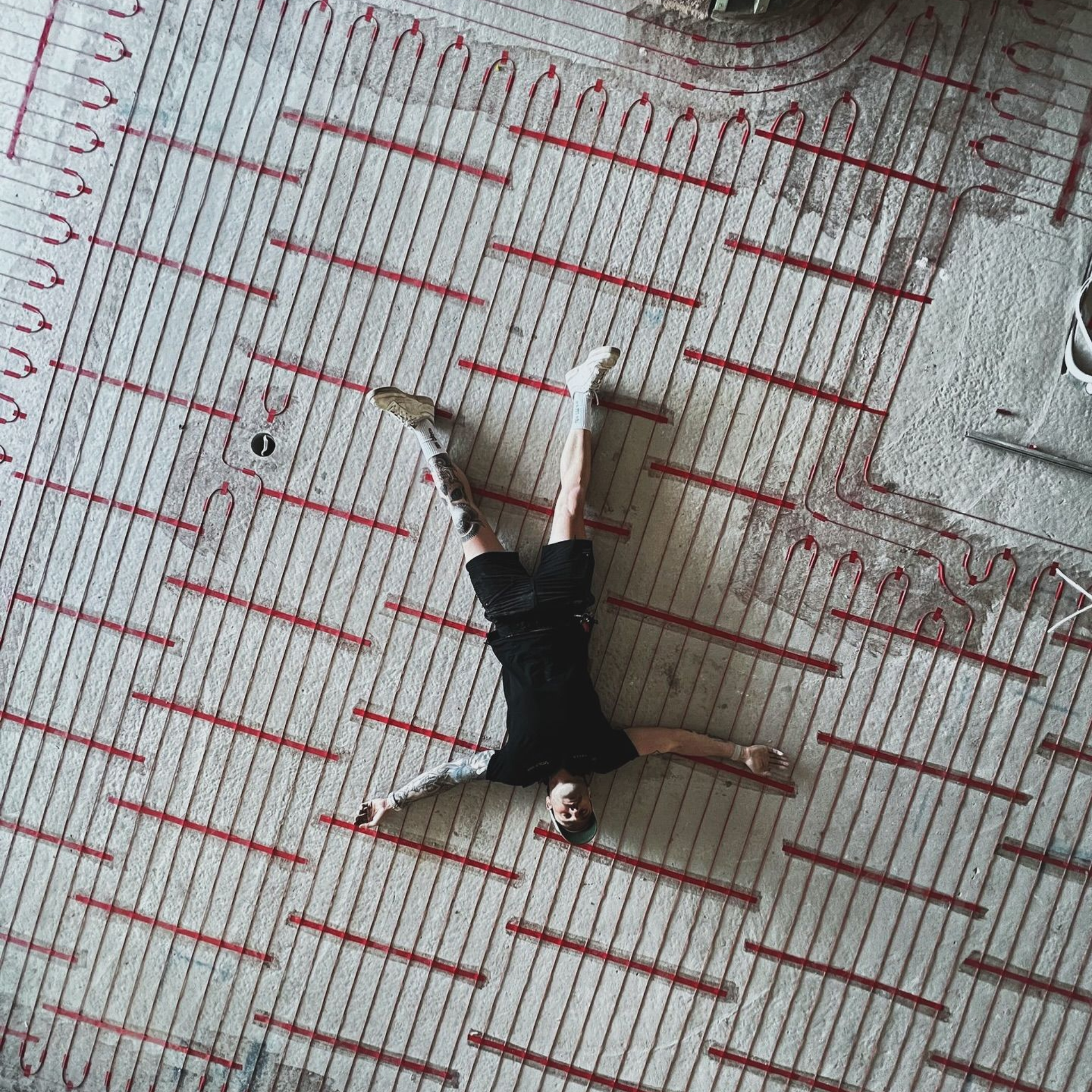
In-screed underfloor heating places heating cables within a sand-cement screed layer. This approach is common in new builds or major renovations where floor heights can be adjusted.
The screed acts as a thermal buffer, taking longer to heat initially but maintaining a stable, even temperature throughout the day. We always recommend installing insulation beneath the screed to ensure heat moves upward into the room rather than being lost into the slab.
Concrete Slab Heating
Concrete slab heating is installed during construction, which are increasingly popular in modern Sydney homes. Electric systems work exceptionally well in slabs, using the concrete’s thermal mass to heat large areas efficiently.
This method offers whole-home comfort with no visible heaters or radiators, giving complete freedom in interior design. However, slab heating is only practical during new construction—retrofitting an existing slab is rarely feasible.
Key Differences:
- Under-tile heating suits renovations and targeted spaces
- In-screed heating works for large renovations and new builds
- Slab heating is best for new homes and whole-house solutions

Sydney Underfloor Heating Cost Guide
| System Type | Installation Cost | Typical Running Cost | Maintenance Cost | Lifespan |
|---|---|---|---|---|
| Electric Underfloor Heating – In-slab | $900 – $3,000 per room | ~ 6c per m², per hour | $0 | 25+ years |
| Electric Underfloor Heating – On-slab (Screed/Mats) | $900 – $1,500 per room | ~ 3c per m², per hour | $0 | 25+ years |
| Hydronic In-slab Heating | $12,000 – $25,000+ whole home | Variable (depends on gas/electric heat source) | ~$300–$800 per year | 20–30 years |
| Ducted Heating (Reverse Cycle or Gas) | $8,000 – $20,000+ whole home | Variable (higher for whole-home use) | ~$150–$400 per year | 10–15 years |
Summary:
- In-slab electric suits new builds where thermal mass is desired, with predictable running costs and no maintenance.
- On-slab electric is ideal for renovations, with faster heat-up times and lower running costs per m².
- Hydronic heating can perform well in large, highly insulated homes but involves high upfront costs, complex plant equipment, and ongoing servicing.
- Ducted heating has lower install cost than hydronic for whole-home coverage but requires regular maintenance and typically has a shorter lifespan.
Disclaimer:
Actual installation and running costs will vary depending on room size, insulation levels, electricity or gas rates, climate, system design, and usage patterns.
Managing Sydney’s Humidity and Moisture
In bathrooms and wet areas, correct waterproofing is essential. You need to ensure membranes are installed before heating elements, all penetrations are sealed, and only systems rated for wet areas are used. This protects both your floor and heating system long term.
Managing Sydney’s Humidity and Moisture
In bathrooms and wet areas, correct waterproofing is essential. You need to ensure membranes are installed before heating elements, all penetrations are sealed, and only systems rated for wet areas are used. This protects both your floor and heating system long term.
Energy Efficiency in Sydney’s Climate
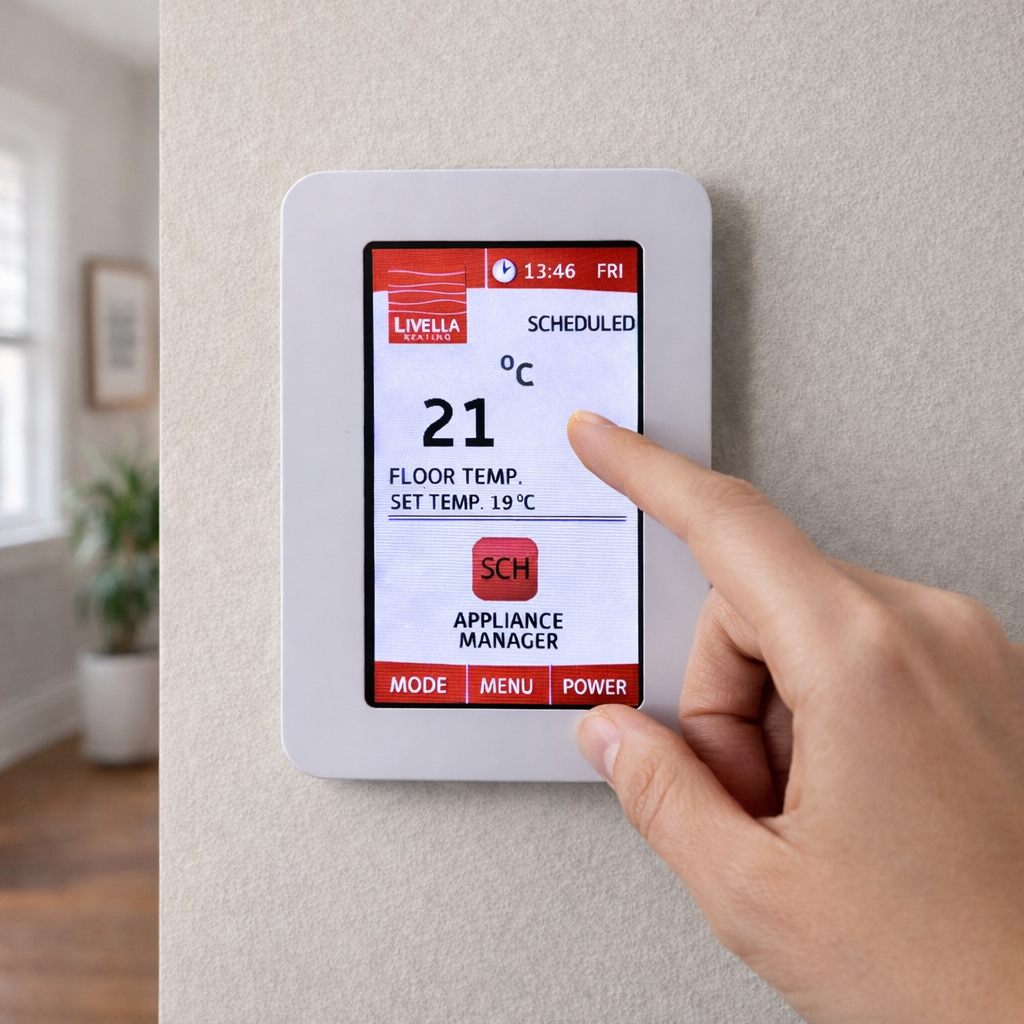
Programmable thermostats and zoning are key. Heat rooms only when they’re in use. Smart thermostats can reduce energy use by 10–20% through intelligent scheduling. When combined with Sydney’s strong solar potential, electric underfloor heating becomes very economical to run.
Retrofitting in Existing Sydney Homes
Low-profile electric systems are ideal for retrofits, adding warmth without raising floor levels. For timber or floating floors, foil heating systems can be installed over subfloors with minimal disruption.
Conclusion
Underfloor heating is a premium yet practical solution for Sydney homes, offering superior comfort, efficiency, and design freedom. Electric underfloor heating suits most renovations and new homes.
Your Next Steps
- Assess which rooms need underfloor heating
- Speak with Livella Underfloor Heating for an obligation-free quote
- Choose the system that best matches your home, usage, and budget
If you’re continuing your research, explore smart thermostat options, insulation upgrades, and long-term running costs to get the most from your underfloor heating investment.
Underfloor Heating FAQs for Sydney Homeowners
How much does underfloor heating cost in Sydney?
Underfloor heating in Sydney typically costs $900 - $3,000 per room, depending on floor type and insulation.
Is underfloor heating worth it in Sydney's climate?
Yes, underfloor heating is ideal for Sydney's cool winters, offering comfortable radiant warmth.
Can underfloor heating be used in Sydney apartments?
Electric underfloor heating is commonly installed in Sydney apartments, particularly in bathrooms and kitchens.
Is underfloor heating expensive to run in Sydney?
Underfloor heating is economical to run in Sydney homes when used in insulated zones with thermostatic control.
What flooring works best with underfloor heating in Sydney?
Tiles and engineered timber are the most effective flooring options for underfloor heating in Sydney homes.
Thousands of Renovations and New Builds with Happy Families
5 Bedroom Home
Torquay, VIC
“I recently had the pleasure of working with the Livella team who undertook an in-slab heating installation in a new 5 bedroom home project. The results have exceeded all of our expectations. It’s a luxurious addition that combines efficiency and comfort. I can’t recommend the Livella team highly enough. If you’re considering underfloor heating, don’t hesitate, It’s an investment that will not only make your home warmer but also elevate its overall appeal and value.”
Bathroom Renovation
Lilyfield, NSW
“Recently we had Livella underfloor heating system installed in our bathrooms and couldn’t be happier with the results. This upgrade has truly transformed the bathrooms. It’s efficient and adds a touch of luxury to our daily lives. I would highly recommend this system to anyone, It’s a worthwhile investment the whole family love it."
3 Bedroom Home
Greenwich, NSW
“I recently had the privilege of having a underfloor heating system installed in my home, and I’m absolutely thrilled with the results. The team at Livella worked closely with us to customise the heating design to suit our specific needs and preferences. They took into consideration the layout of our home, room usage, and even our preferred temperature settings for each area. The team demonstrated exceptional skill and expertise throughout the project. The installation process was efficient, and they paid great attention to detail, resulting in a seamless and flawless finish.”