Underfloor Heating in a Heritage Home: Our Hunters Hill Story
I'll be straight with you: I did a lot of comparison shopping before I chose Livella Underfloor Heating. I'm a project manager by trade and I don't make decisions quickly. When we decided to upgrade the heating in our Hunters Hill home, I got four quotes, read every review I could find, and spent about three weeks researching underfloor heating Sydney before I even picked up the phone. I'm sharing this story because I think the process I went through is useful for anyone in the same position.
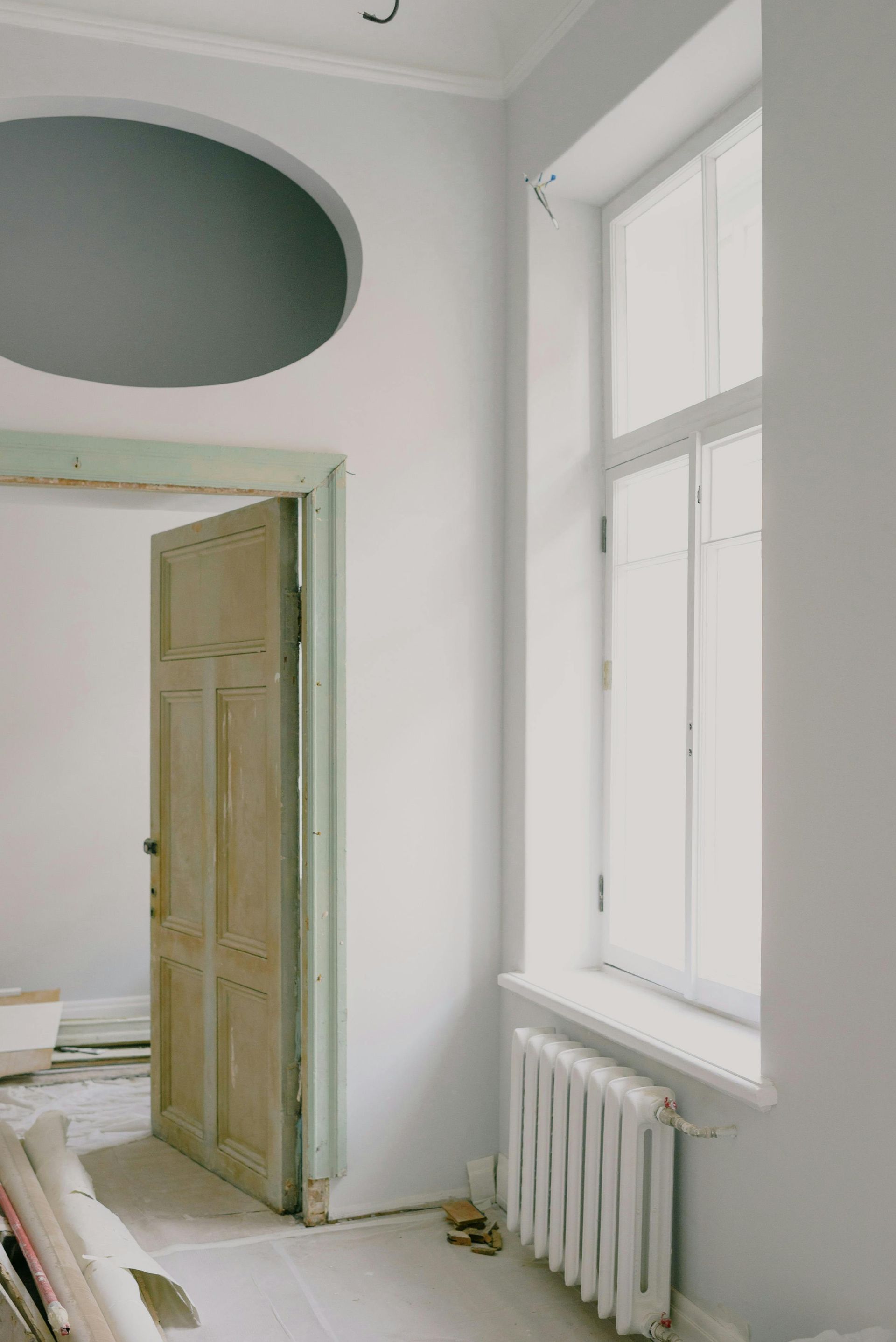
Our home is a Federation-era sandstone cottage in Hunters Hill that we've been progressively restoring for about eight years. It's a character-rich property with original features we've worked hard to preserve: wide Baltic pine floorboards throughout the main rooms, original casement windows, pressed tin ceilings. It's beautiful, but it's also draughty in ways a modern home simply isn't. Heating it has always required a bit of creativity.
The existing heating was a mix of old gas wall heaters in the main rooms and nothing at all in the hallway or bathrooms. The wall heaters were approaching end of life, and we'd decided it was time to replace the system rather than service individual units. I wanted a solution that would respect the character of the home, work with our pine floorboards, and not look out of place in a heritage interior. That last point ruled out a lot of options.
The Problem With Finding the Right Fit
Heating a heritage home is genuinely different from heating a new build. You can't just drill through walls for ducting without causing damage to features you've spent years restoring. You have to think about how the heating system interacts with timber floors that have been in place for over a century. And you have to consider the thermal behaviour of thick sandstone walls, which retain cold in winter and take a long time to warm up.
The first two companies I spoke to both proposed ducted reverse cycle systems. One of them was upfront about the fact it would require significant penetrations through our heritage-listed walls. The other barely engaged with the specifics of the property and just handed me a standard quote form. Neither of them had any real experience with warm floor systems in heritage properties, and neither of them gave me the sense that they understood what I was trying to protect.
The third quote was from a company that suggested a hydronic heating system running off a gas boiler, which was interesting but complex, and the estimated installation was extensive. I kept researching and eventually found Livella Underfloor Heating through a heritage home owners' forum where someone in Glebe had recommended them for exactly this kind of situation. That recommendation turned out to be spot on.
What Made Livella Underfloor Heating Different
When Livella Underfloor Heating came to the property, the first thing they did was walk through slowly and observe. They asked questions about the floorboard condition, the subfloor structure, the approximate age of the timber, and what we'd already done during the restoration. They weren't trying to fit our house into a predetermined solution; they were understanding the house before recommending anything.
Livella Underfloor Heating explained the options that were practical for a home with original Baltic pine boards. They were clear about what was possible without lifting the floors, what would require partial floor access, and what the risks were in each scenario. For the main living areas, they recommended a system that could be installed from below through the subfloor access, which meant the beautiful original boards would not be disturbed at all.
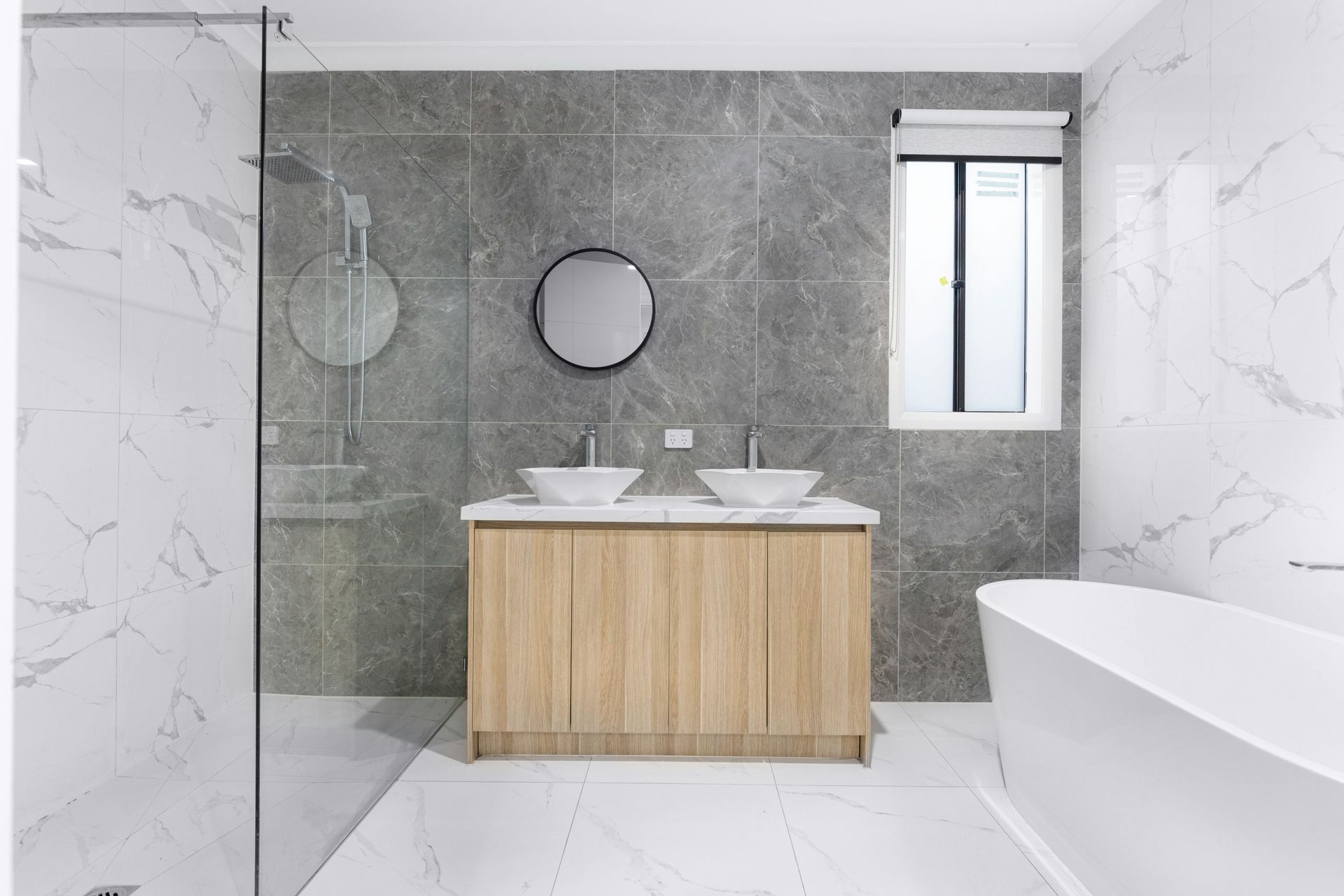
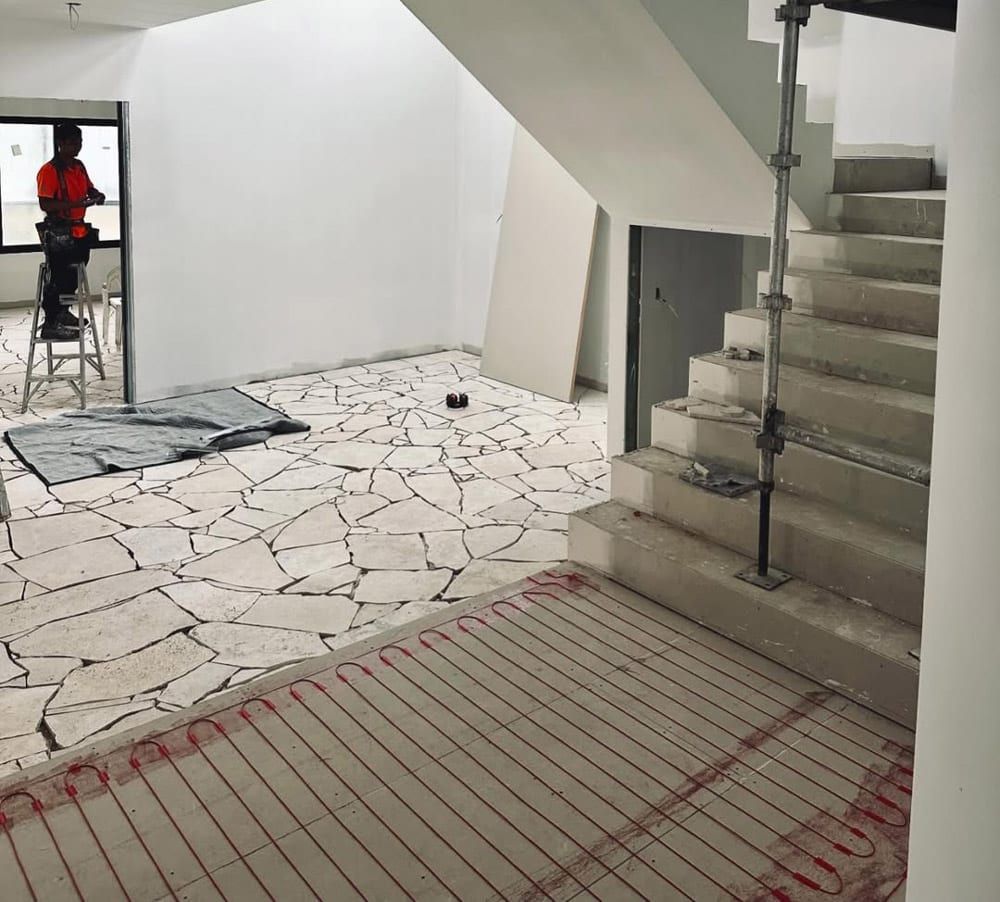
For the bathroom, which we'd renovated a few years earlier with new tiles, an electric underfloor heating mat was the right product. Livella Underfloor Heating had product knowledge that matched the specifics of our home, and they presented options at different price points with honest assessments of each. No pressure. No upsell. Just good information.
The Outcome for Our Hunters Hill Home
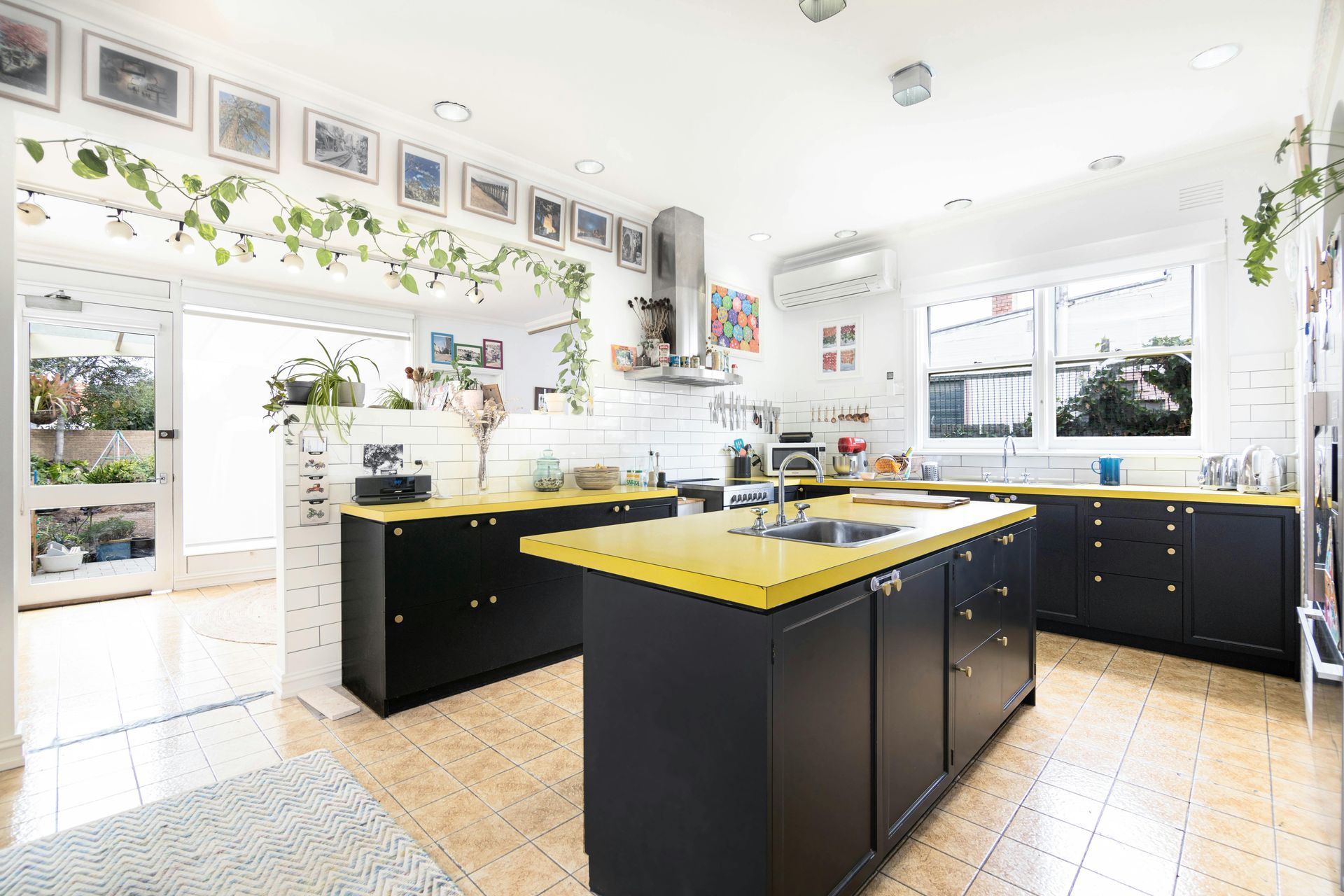
We went with a staged approach that Livella Underfloor Heating helped us plan across two seasons. The first phase covered the bathrooms and the kitchen, which were the areas where we felt the cold most acutely. The second phase, completed the following year, addressed the main lounge and dining room through the subfloor.
The result is a home that is genuinely comfortable in winter for the first time in the eight years we've owned it. The pine boards are intact. The heritage features are unaffected. The heating is invisible, consistent, and quietly effective. There are no ugly vents, no blowing air, no noise. Just warm floors and a home that feels the way it looks: like it's been properly cared for.
Several friends who've visited in winter have asked what we've done differently. When I tell them it's underfloor heating , they're often surprised because there's no visible equipment. That invisibility is exactly what a heritage home needs.
My Advice for Anyone Comparing Options
Do your research, but also pay attention to how companies respond to your specific situation. A quote that doesn't engage with the particularities of your home isn't worth the paper it's on. When I found a provider who started by listening and asking questions rather than talking, I knew I was on the right track.
Livella Underfloor Heating understand heritage homes, difficult layouts, and the kinds of constraints that make a standard solution the wrong answer. If you're in Hunters Hill, Longueville, Woolwich, or anywhere else in Sydney with a period property and a heating problem, they're worth talking to before you commit to anything. For underfloor heating in Sydney that respects what your home already is, Livella Underfloor Heating are the specialists you want.
Find Livella Underfloor Heating in Sydney here.