
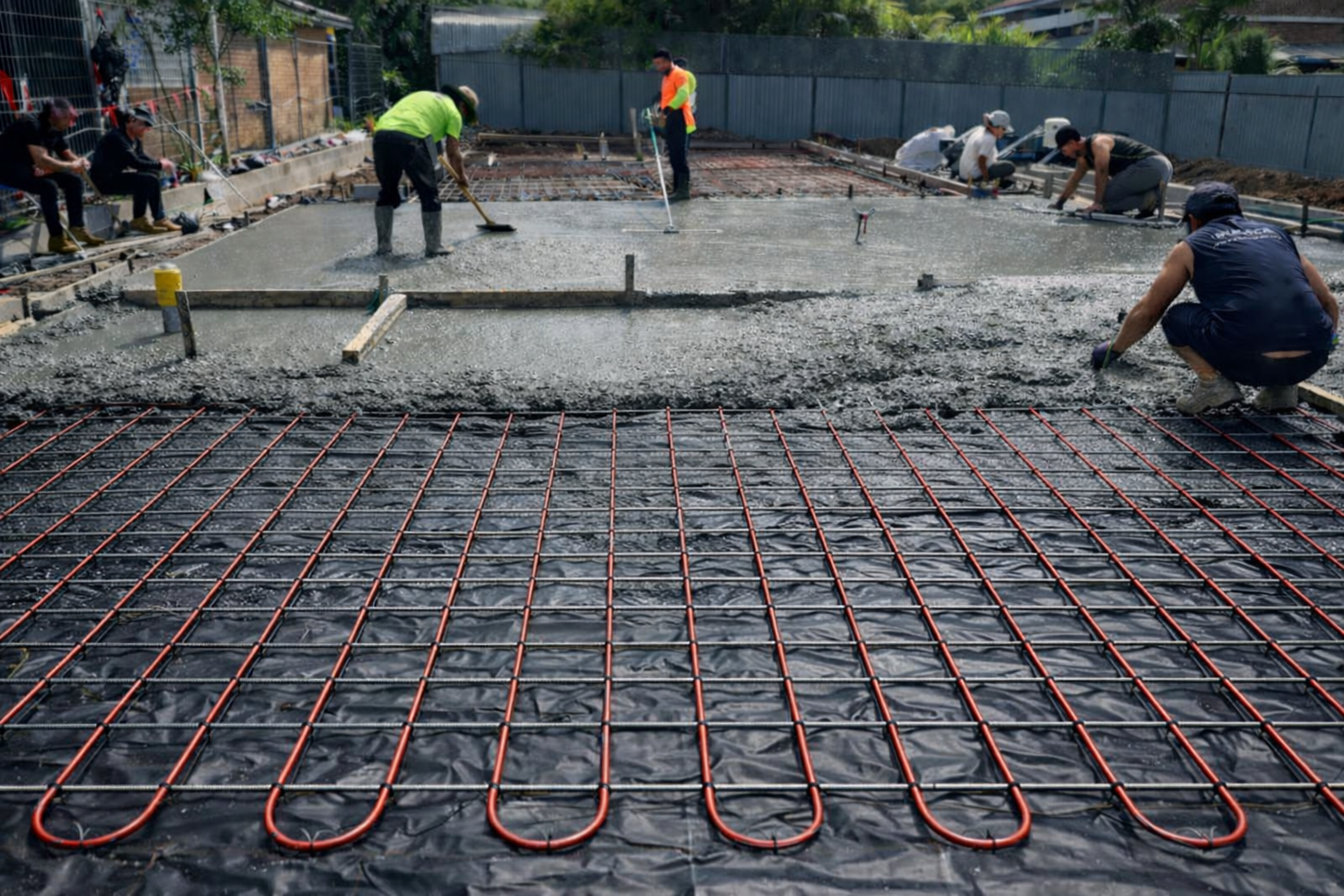
Discover how a Brighton homeowner found Livella Underfloor Heating for in slab underfloor heating in Melbourne during a new build. Real story, real results.
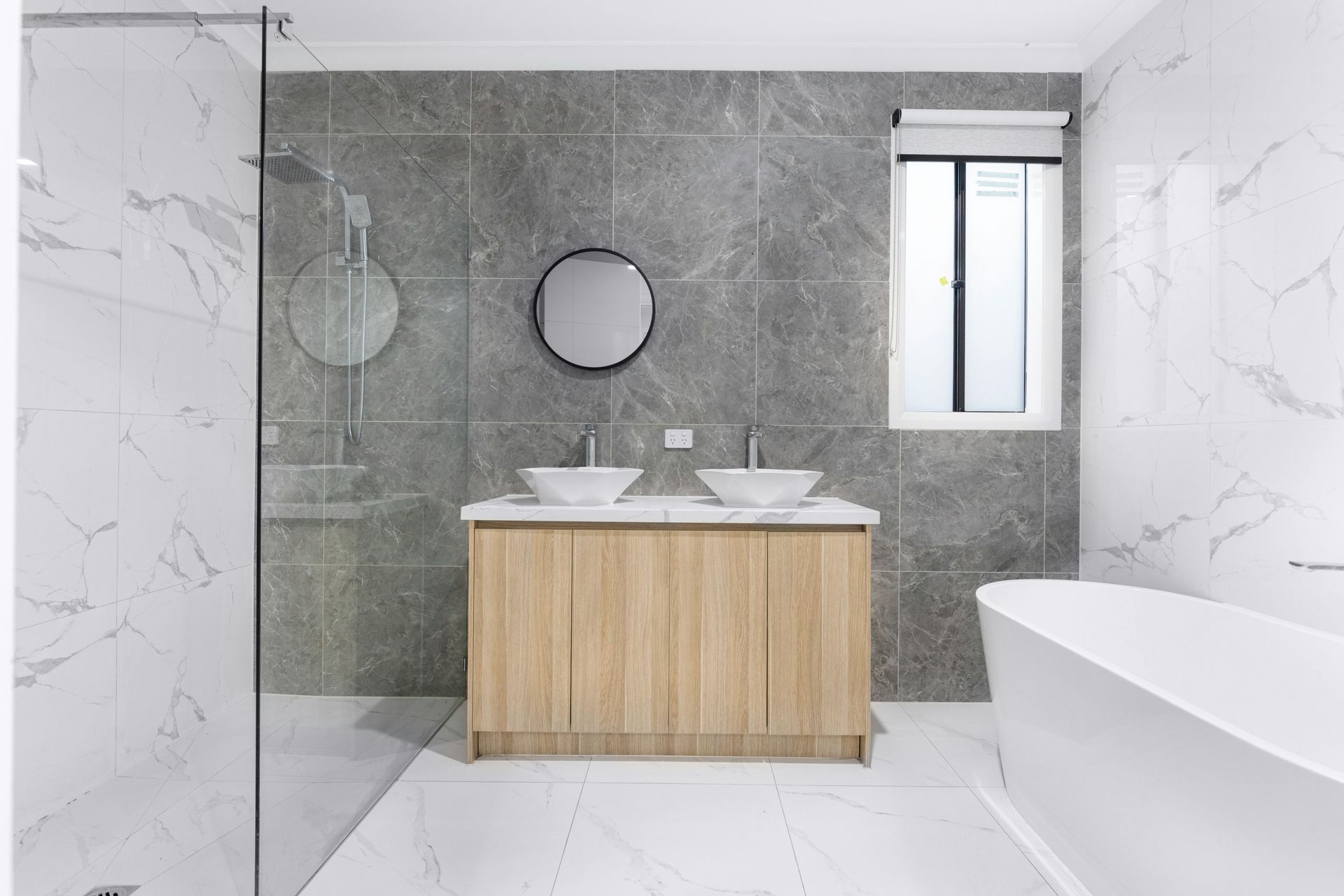
Tom in Northcote needed underfloor heating installed before the tiler arrived. Livella coordinated everything and delivered on time. Read his renovation story.
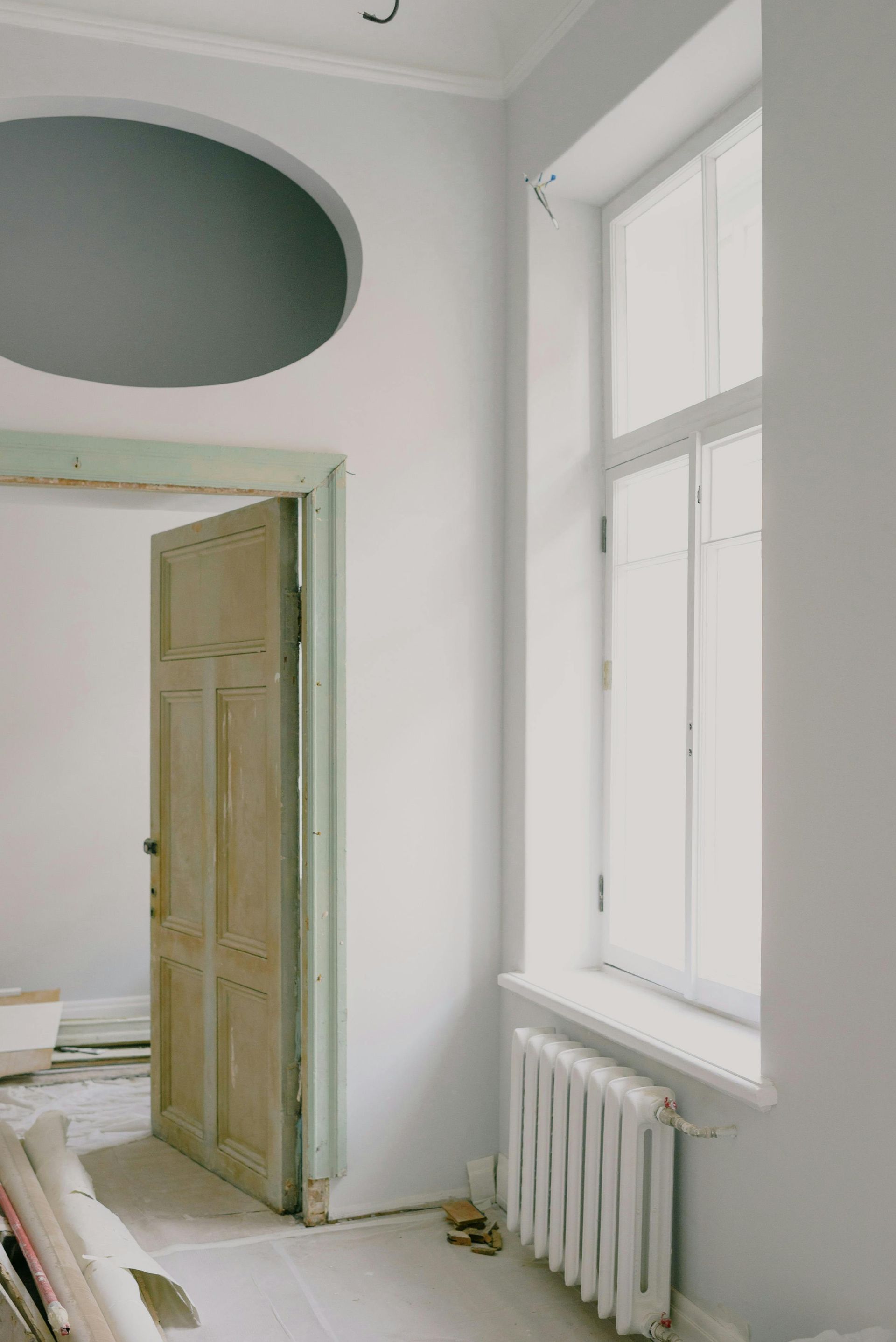
Sarah from Brighton shares how Livella Underfloor Heating transformed her cold tiled home. Find out why underfloor heating Melbourne is worth every cent.
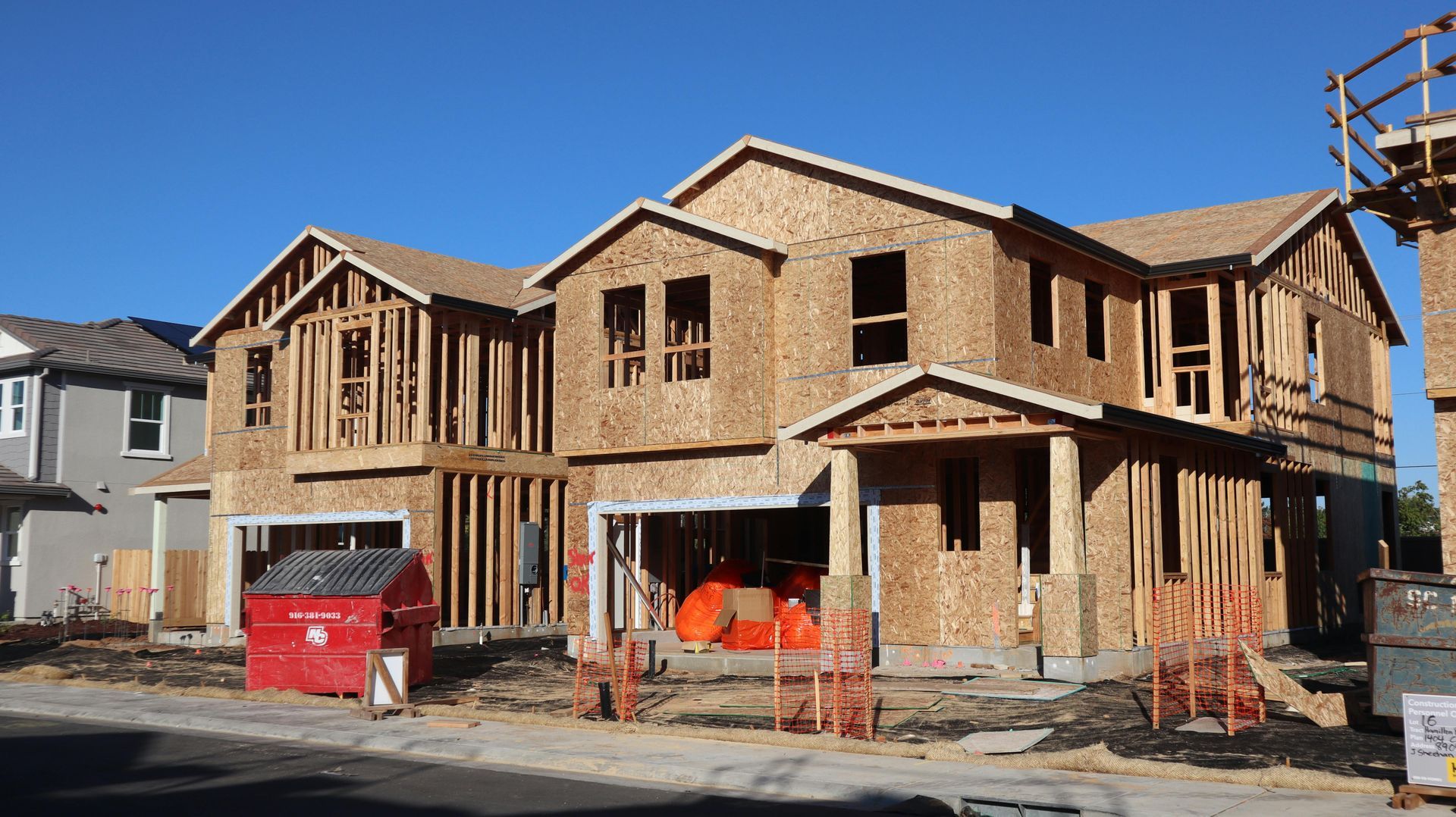
Marcus from Toorak shares how Livella Underfloor Heating helped spec the perfect hydronic system for his new Melbourne home build. Read his full story.
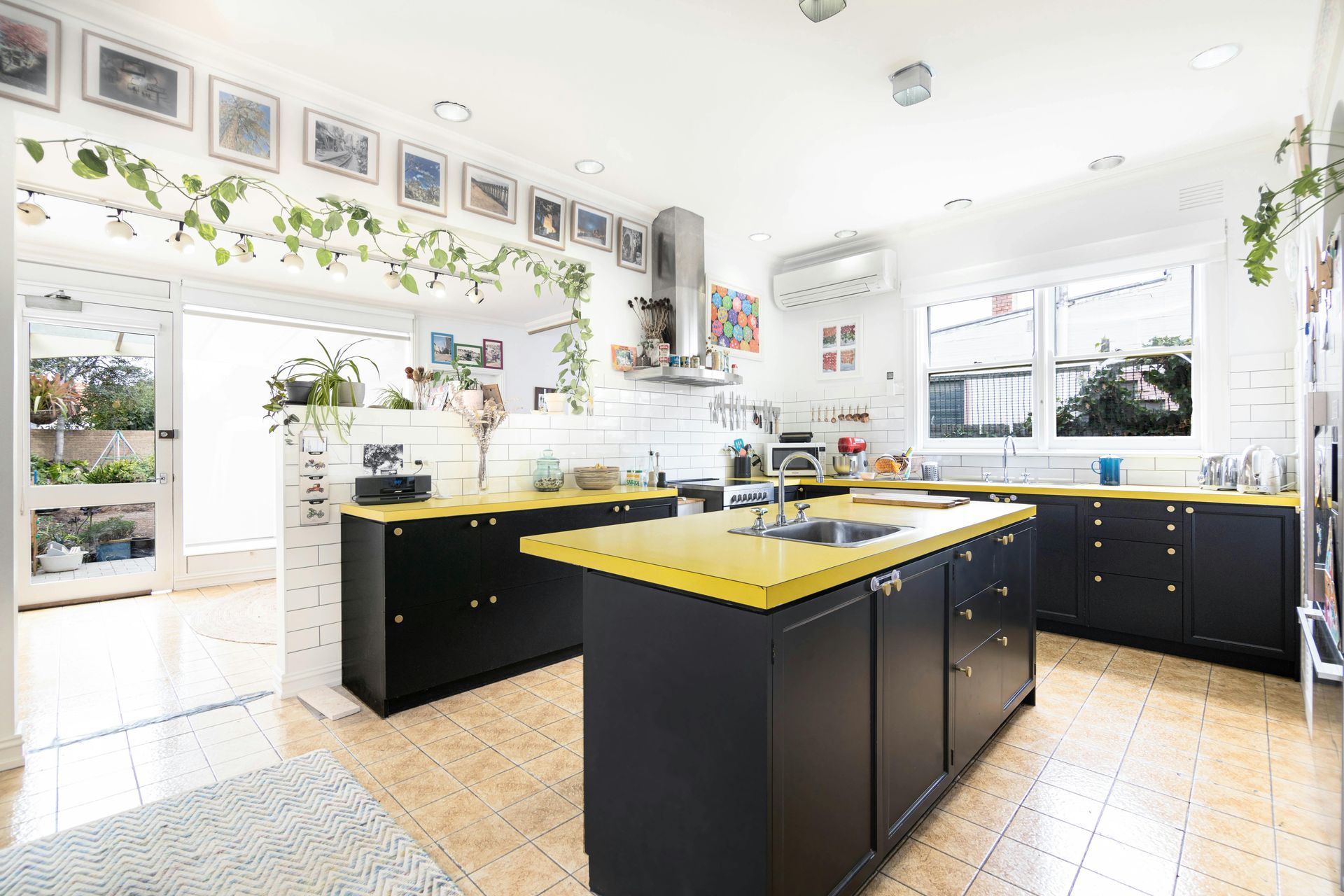
Renata from South Yarra stopped comparing and chose Livella Underfloor Heating. Find out why their honest advice made the decision easy for her renovation.
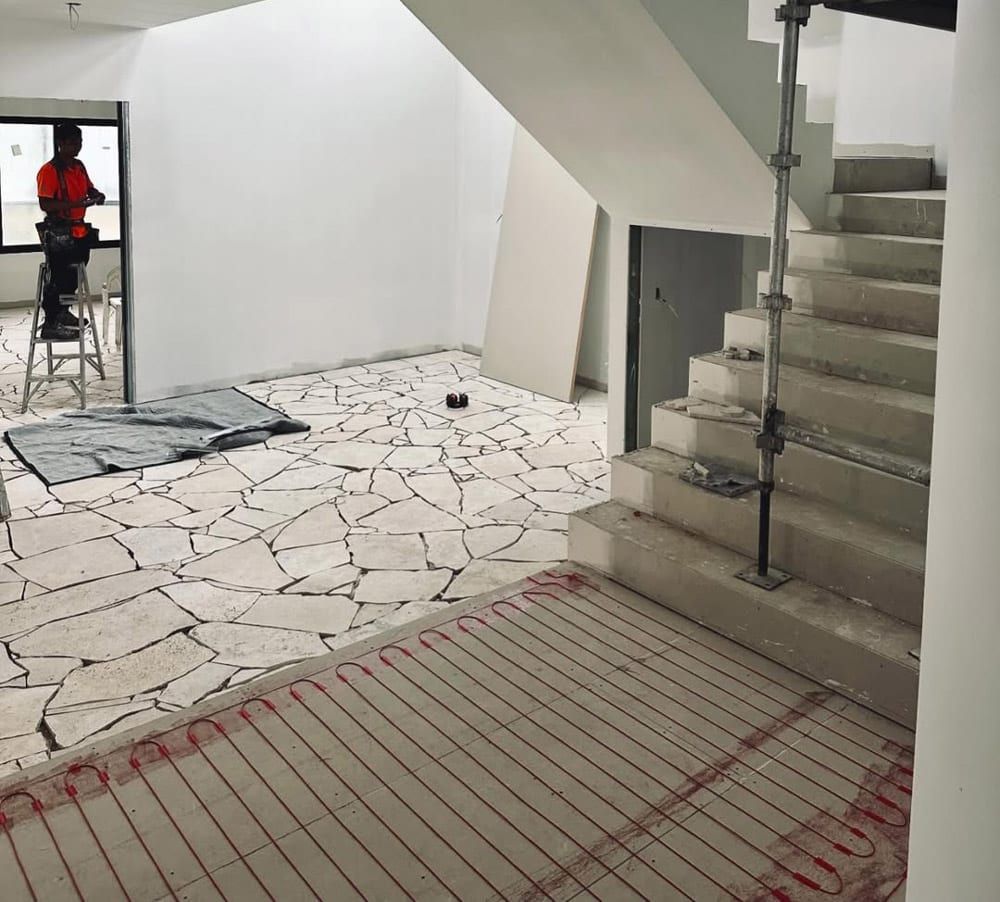
Claire organised underfloor heating for her elderly parents' Balwyn home. Livella's patient, clear approach made the whole experience stress-free. Read more.
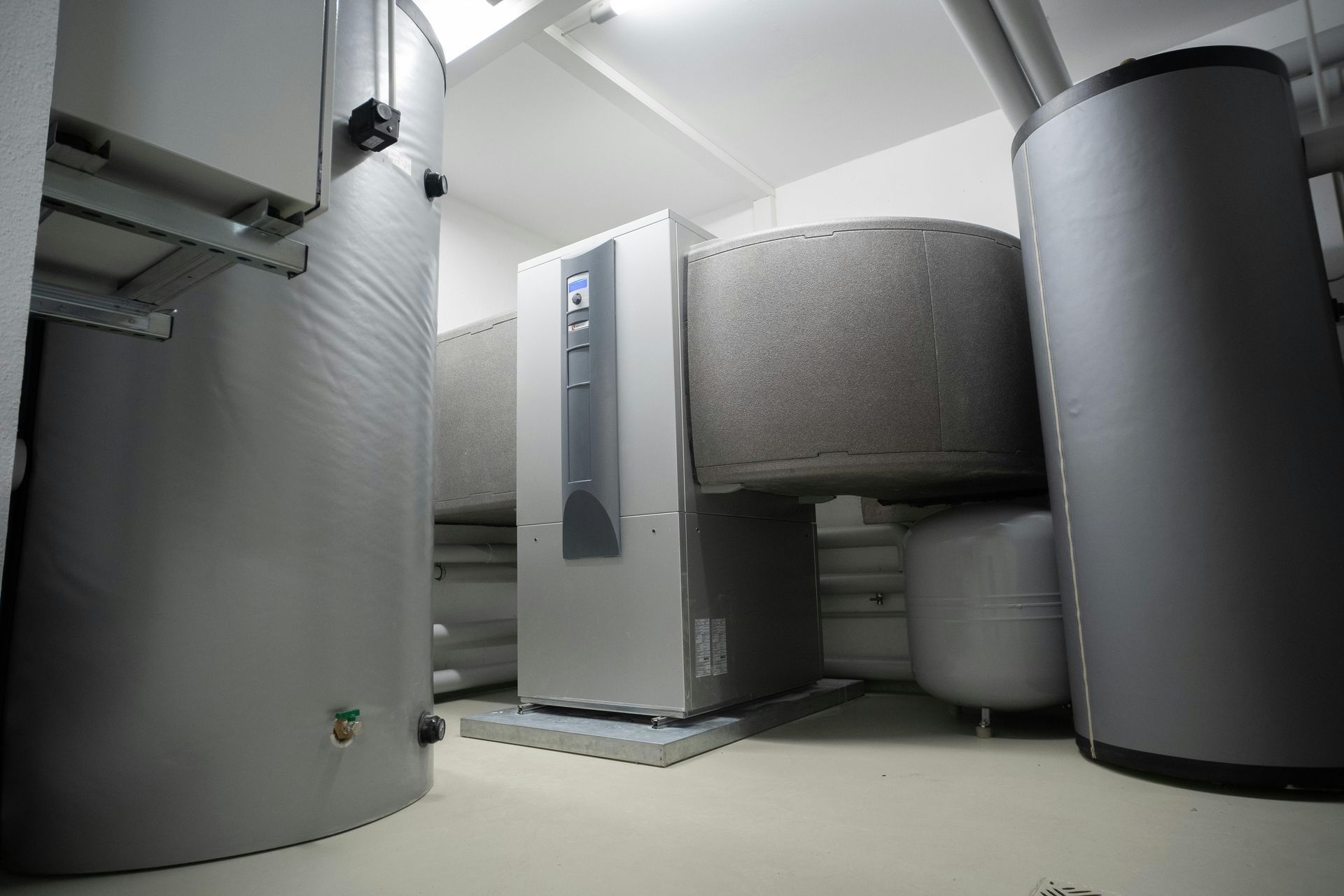
Canberra homeowner Sarah shares how Livella Underfloor Heating transformed her cold Tuggeranong home with a professional underfloor heating installation.
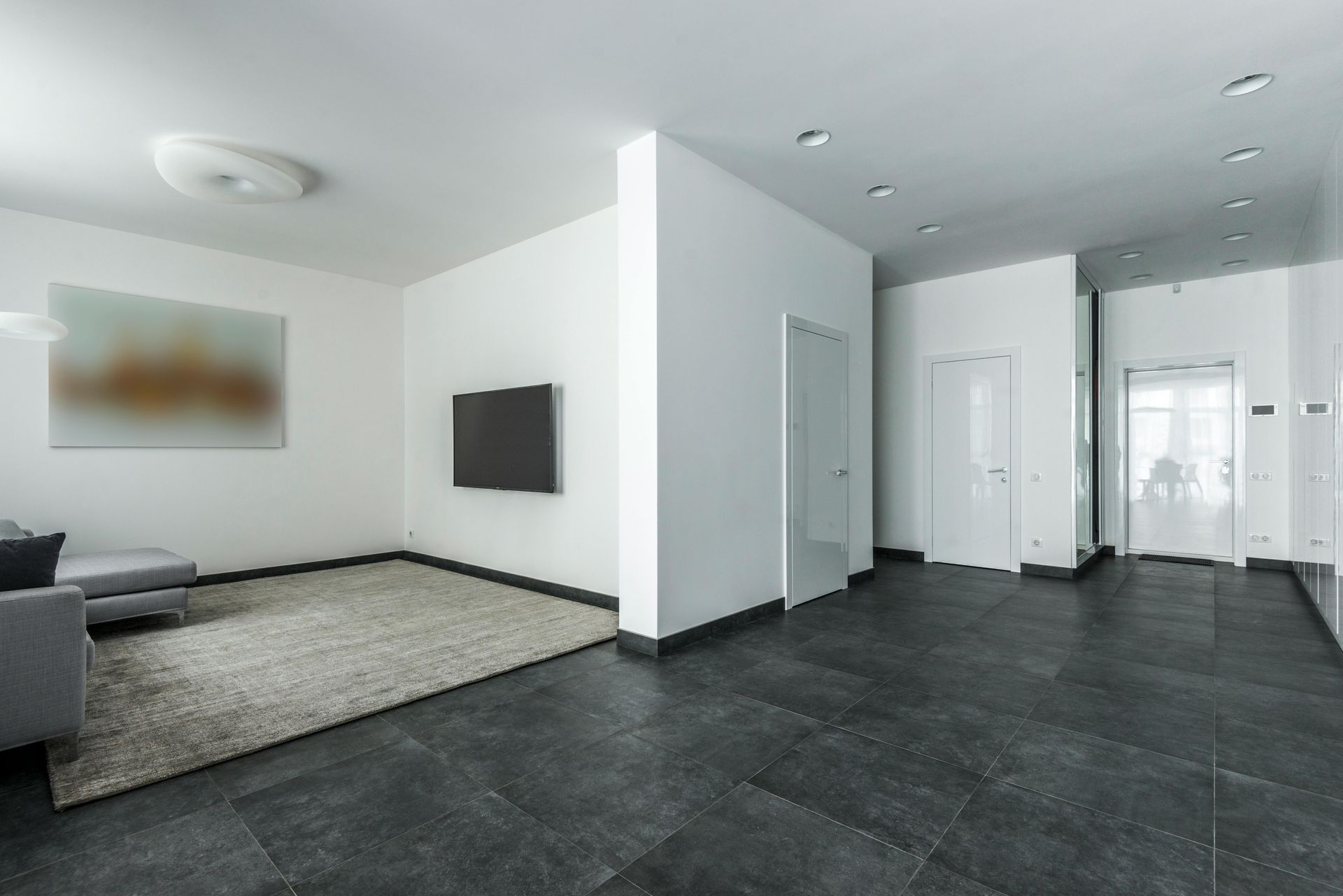
New to O'Connor, Priya found cold stone floors a real problem with a young baby. Livella's underfloor heating in Canberra transformed how her family uses their home.

Teresa's elderly mum in Curtin needed warm bathroom floors for safety and comfort. See how Livella's underfloor heating in Canberra made a real difference to daily life.
After comparing four companies, Mark chose Livella for underfloor heating in Canberra. Find out what set them apart and why his Macquarie home has never been warmer.

After years of cold floors in his Woden home, James finally found the right underfloor heating solution in Canberra with Livella. Read how the upgrade changed his life.
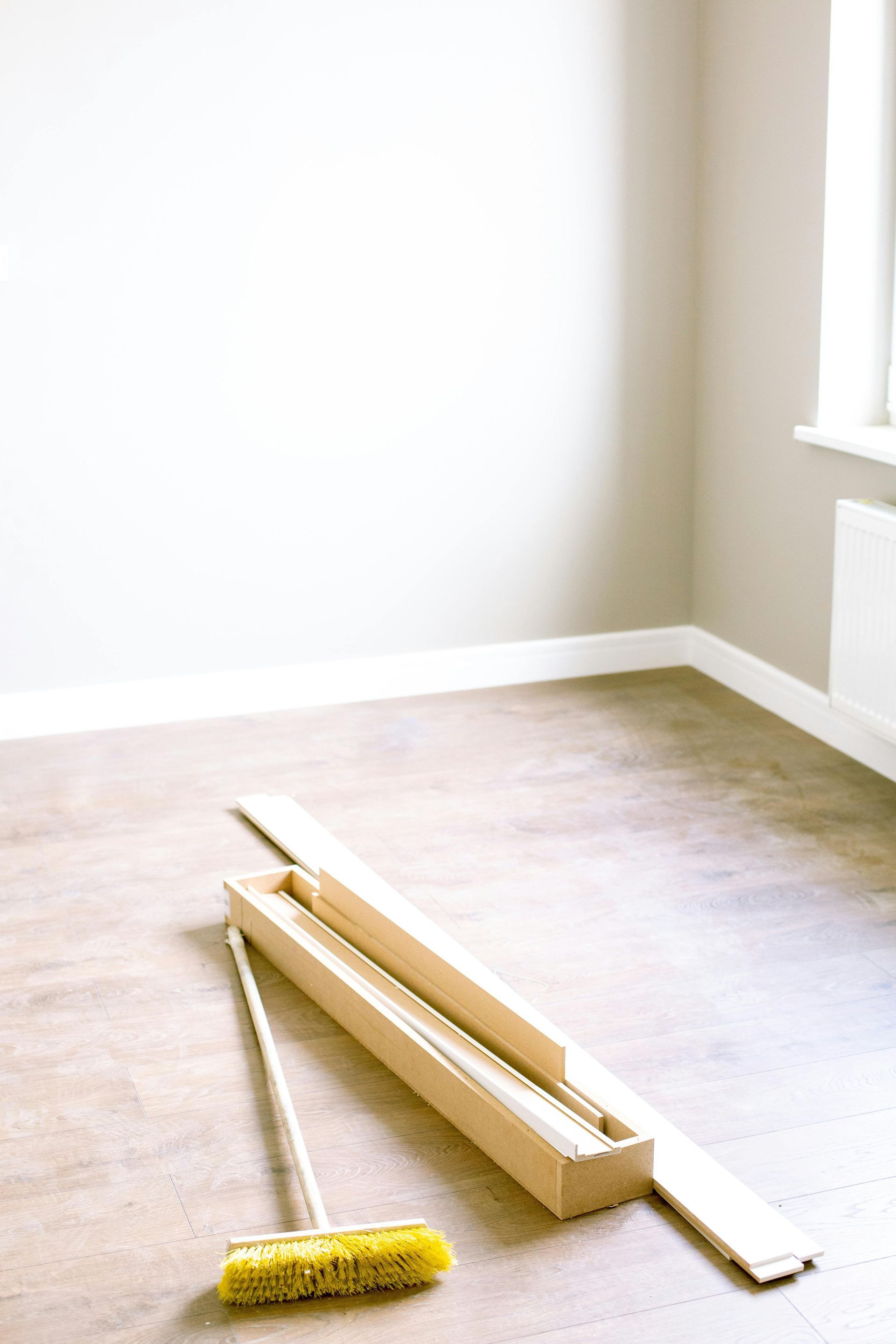
A Canberra homeowner shares how Livella Underfloor Heating transformed her Griffith renovation. Read her story about finding the best underfloor heating in Canberra.
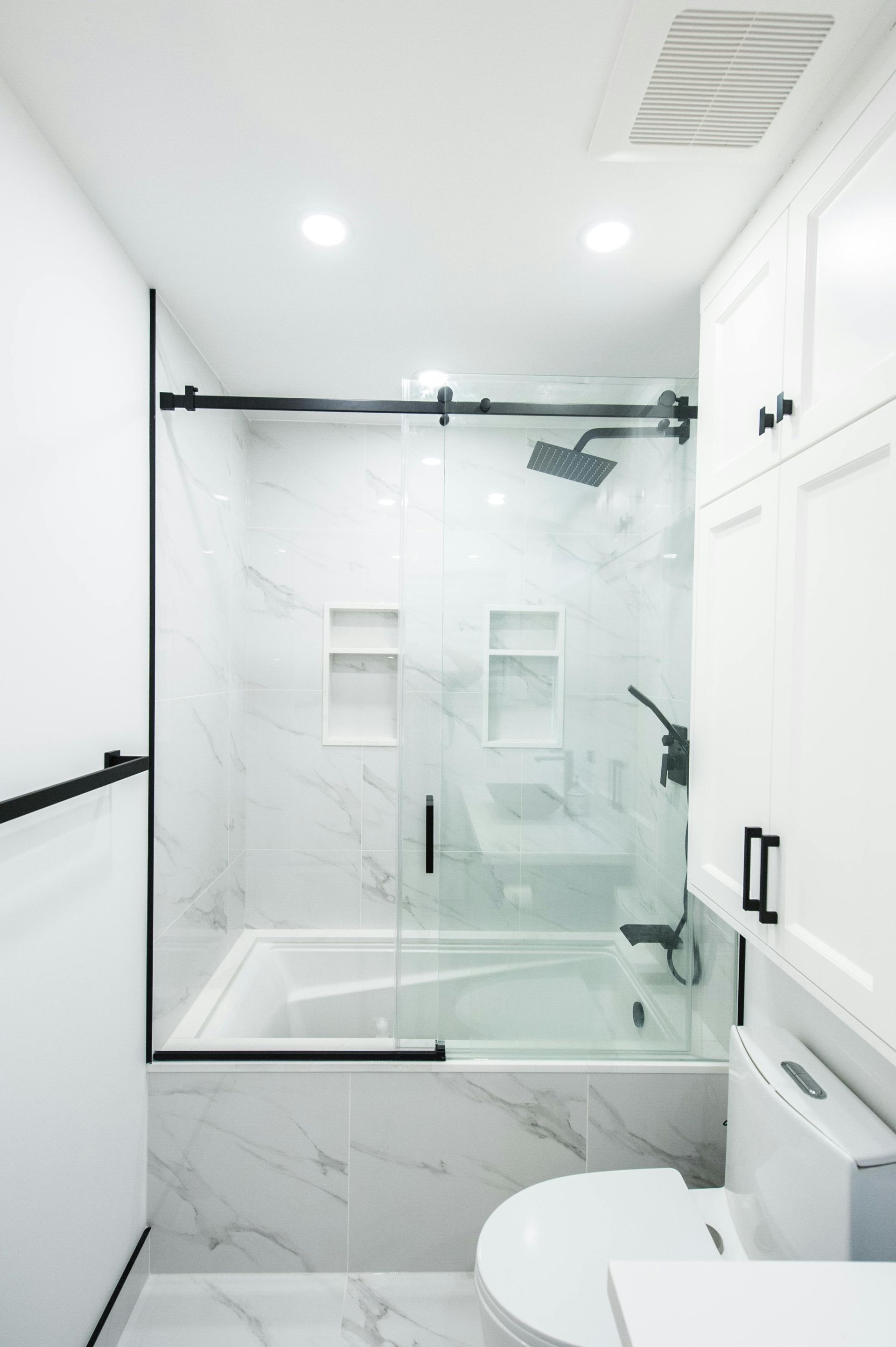
A leaking shower in Paddington led to an unexpected upgrade. Livella Underfloor Heating Sydney turned an emergency repair into the best bathroom decision ever.

Anna compared four quotes before choosing Livella Underfloor Heating for her heritage Hunters Hill home. Here's how underfloor heating Sydney was done right.

James moved into his new Box Hill home only to find cold concrete floors every morning. Livella Underfloor Heating Sydney found the perfect solution.
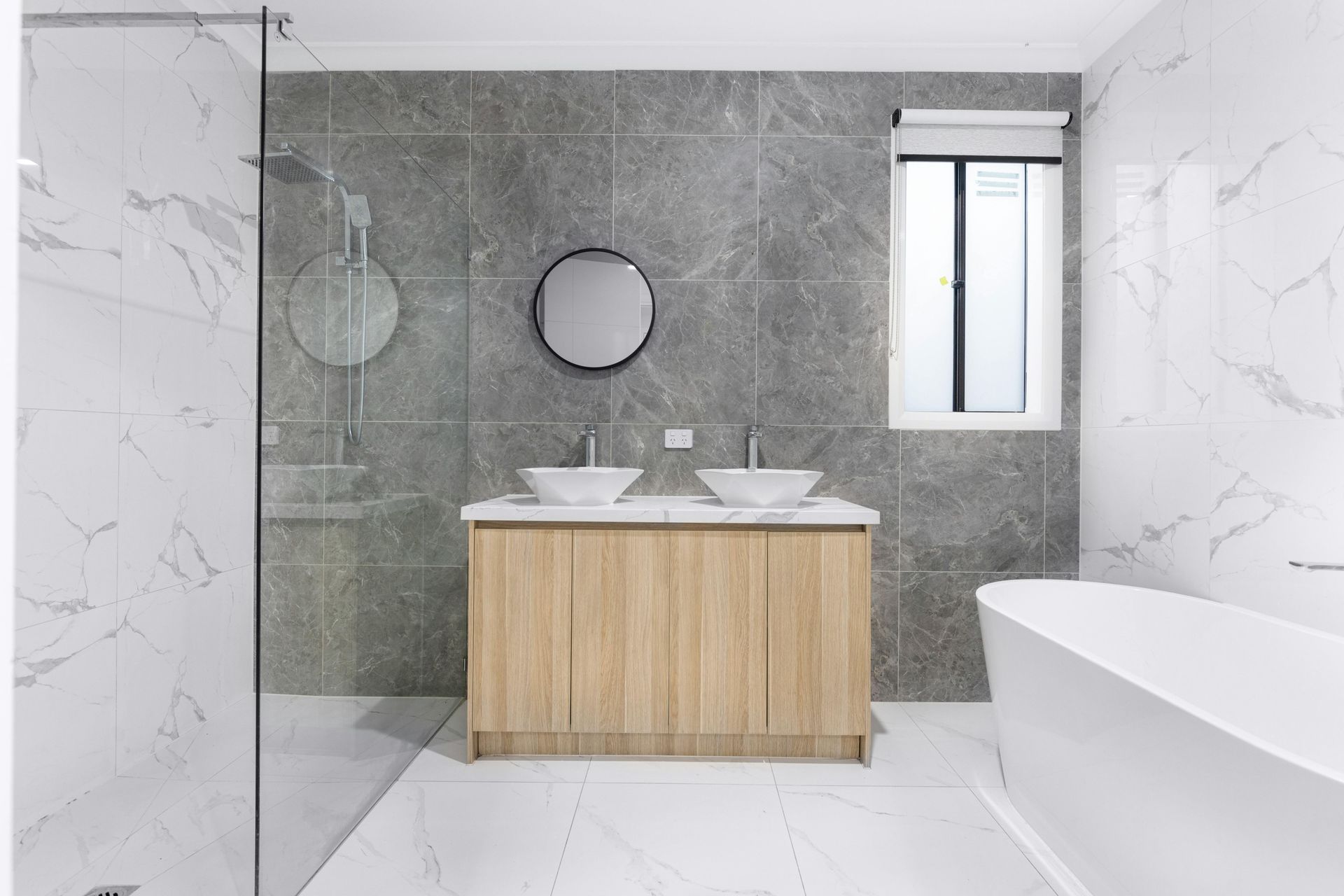
Marcus and Claire renovated their Balmain terrace bathroom and added underfloor heating. Here's why Livella Underfloor Heating Sydney made it so easy.
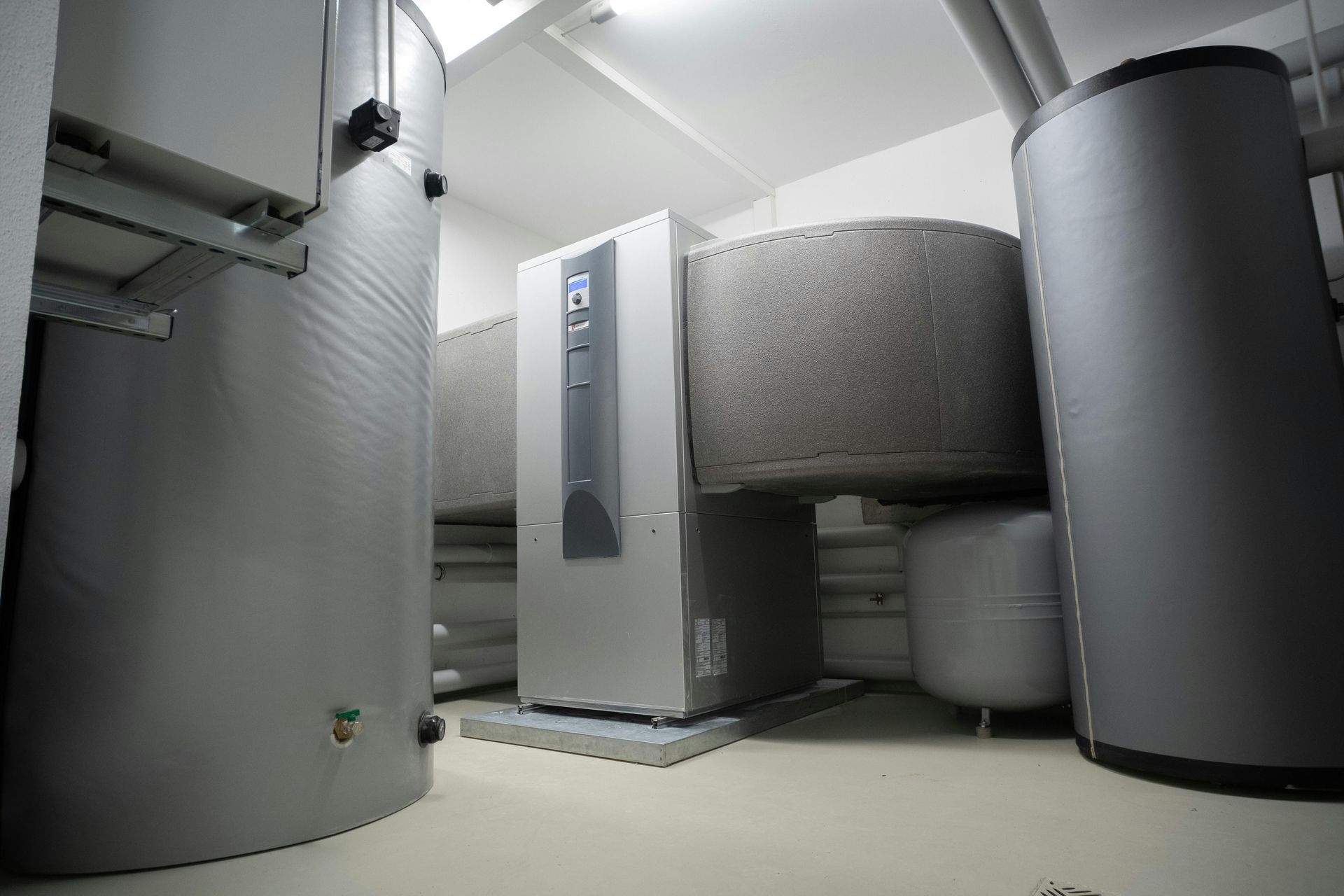
Sarah's Mosman home felt cold every winter until Livella Underfloor Heating transformed it. Read how underfloor heating Sydney changed her family's life.

Jenny downsized to a strata apartment in Kirribilli but dreaded cold tiles every winter. Livella Underfloor Heating Sydney made warm floors a simple reality.

Have you ever stepped out of bed on a winter morning in Canberra and winced at the cold floor? If you’re planning a renovation, this discomfort may be the prompt you need to consider underfloor heating. For homeowners upgrading their spaces, installing a heating system that brings both comfort and long-term practicality is often top...
The post What Makes Underfloor Heating a Smart Investment for Canberra Renovations appeared first on Livella.

New Zealand winters can be a challenge for homeowners, with cold temperatures and damp mornings making it difficult to keep the house warm and comfortable. Traditional heating systems, like space heaters and radiators, may not provide the even, consistent warmth needed to combat the chill. This is where underfloor heating comes in as an efficient,...
The post Why Underfloor Heating is Ideal for New Zealand’s Cold Winters appeared first on Livella.

When it comes to keeping your home warm, underfloor heating is a game-changer. Unlike traditional radiators, which take up wall space and create uneven heating, underfloor heating provides a comfortable, radiant warmth from the ground up. However, selecting the right system is crucial for efficiency, comfort, and cost-effectiveness. There are multiple factors to consider, including...
The post How To Choose The Right Underfloor Heating For Your Space appeared first on Livella.

When it comes to home heating solutions, on-slab underfloor heating is gaining popularity for its efficiency, comfort, and seamless integration into modern home designs. Whether you’re building a new home or renovating, an on-slab underfloor heating system can provide consistent warmth while enhancing energy efficiency. In this guide, we’ll explore what on-slab heating is, how...
The post What Is On-slab Heating & How Does It Work? appeared first on Livella.
Underfloor heating is becoming an increasingly popular choice for homeowners, offering a comfortable and energy-efficient way to heat indoor spaces. Whether you’re considering underfloor heating in NZ for your bathroom, living room, or entire home, it’s essential to understand the two main options available: electric and hydronic underfloor heating. Each system has its advantages and...
The post Electric Vs Hydronic Underfloor Heating: Which System Is Right For You? appeared first on Livella.