How To Choose The Right Underfloor Heating For Your Space

Livella • February 28, 2025

Author

Livella

Date

February 28, 2025

When it comes to keeping your home warm, underfloor heating is a game-changer. Unlike traditional radiators, which take up wall space and create uneven heating, underfloor heating provides a comfortable, radiant warmth from the ground up. However, selecting the right system is crucial for efficiency, comfort, and cost-effectiveness.


There are multiple factors to consider, including room size, flooring type, insulation, and whether you choose electric or hydronic heating. By carefully assessing your space and needs, you can ensure a well-balanced heating solution that enhances your home’s comfort and energy efficiency.


In this blog, we’ll walk you through the key factors to consider when choosing an underfloor heating kit, the impact of flooring materials, and maintenance tips for long-term performance.


Why Choosing the Right Underfloor Heating Kit Matters


Underfloor heating is an investment in comfort and energy efficiency, but selecting the wrong kit can lead to excessive running costs and insufficient warmth. The right kit will ensure even heat distribution, lower energy consumption, and seamless integration with your home’s layout.


Key Considerations When Selecting an Underfloor Heating Kit


  • Room size & heat loss – Larger rooms or poorly insulated spaces require more powerful heating solutions.
  • Flooring type – Different materials conduct and retain heat differently (we’ll cover this later).
  • Installation ease – Some kits are designed for DIY installation, while others require professional setup.
  • Energy source – Electric systems are quick to install, while hydronic systems offer lower running costs.


Choosing the right system means better comfort, lower bills, and a more efficient home.


Measuring Your Room for Heating Needs


Before purchasing an underfloor heating kit, you need to determine the size and layout of your space to ensure adequate heating.


Steps to Measure Your Room for Underfloor Heating


  • Calculate total floor area – Measure the entire room but exclude fixed furniture like kitchen islands or bathtubs.
  • Identify heat loss points – External walls, large windows, and open-plan spaces may need extra heating power.
  • Choose the right wattage – Electric underfloor heating systems typically range from 100W/m² to 200W/m², depending on insulation and room use.


Accurate measurements will help you choose the right power output and avoid over- or under-heating.


Underfloor Heating for Concrete Slabs vs Other Flooring Types


The type of flooring in your home significantly affects the efficiency of underfloor heating. Some materials retain and distribute heat better than others, impacting overall performance and energy use.


Best Flooring Options for Underfloor Heating


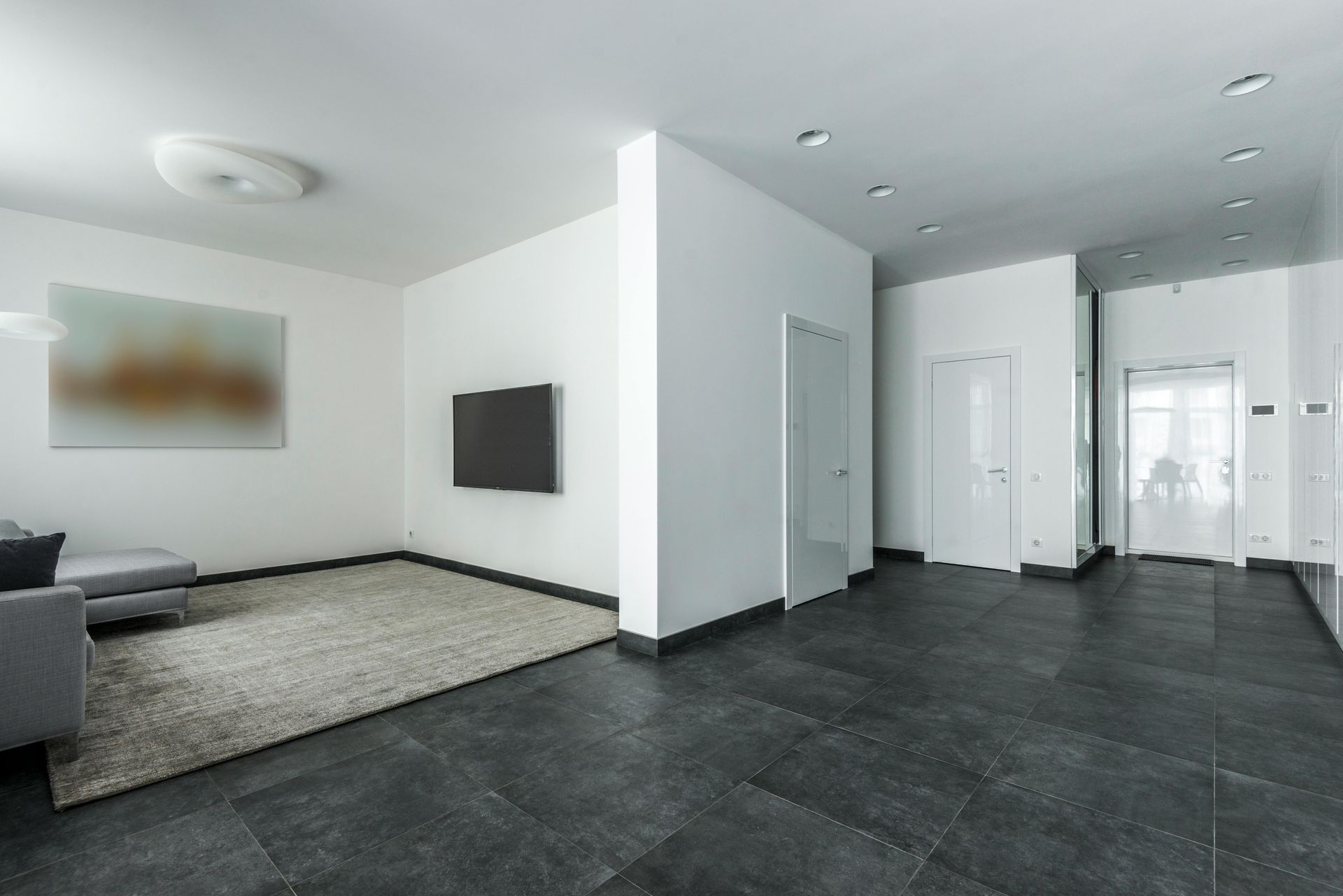
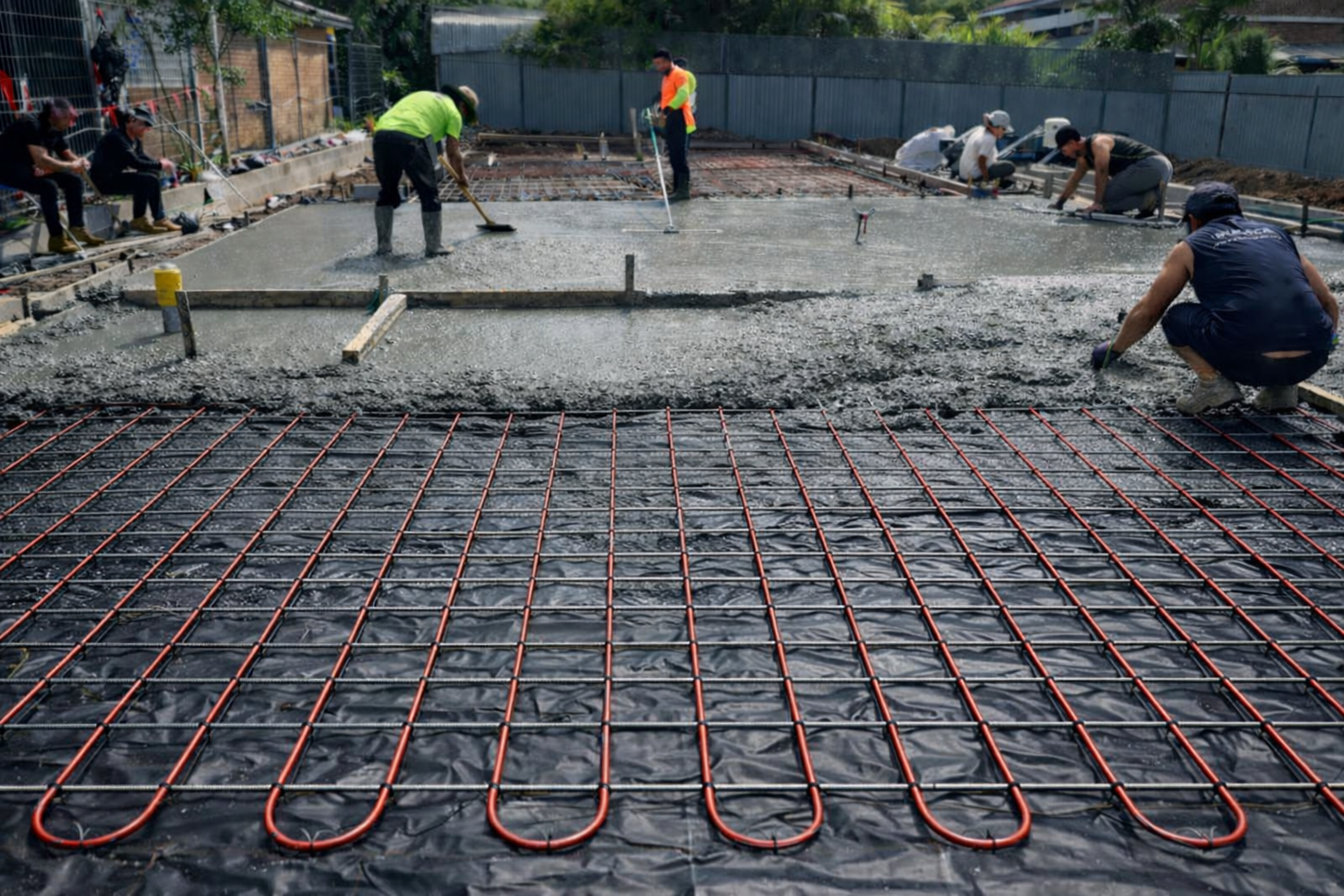
  • Concrete slabs – Work best with hydronic heating as they retain heat well.
  • Tile & stone – Highly conductive, making them ideal for both electric and hydronic systems.
  • Laminate & engineered wood – Can be used with underfloor heating but require lower operating temperatures to prevent warping.
  • Thick carpets – Can act as insulators, reducing heat efficiency if not properly chosen.


If you have concrete floors, pairing them with underfloor heating ensures long-lasting warmth and energy efficiency.


Understanding Electric vs Hydronic Underfloor Heating


Underfloor heating comes in two main types: electric (dry) and hydronic (water-based). Each system has its own benefits, depending on your home and heating needs.


Electric Underfloor Heating (Dry System)


  • Best for smaller areas, such as bathrooms & kitchens.
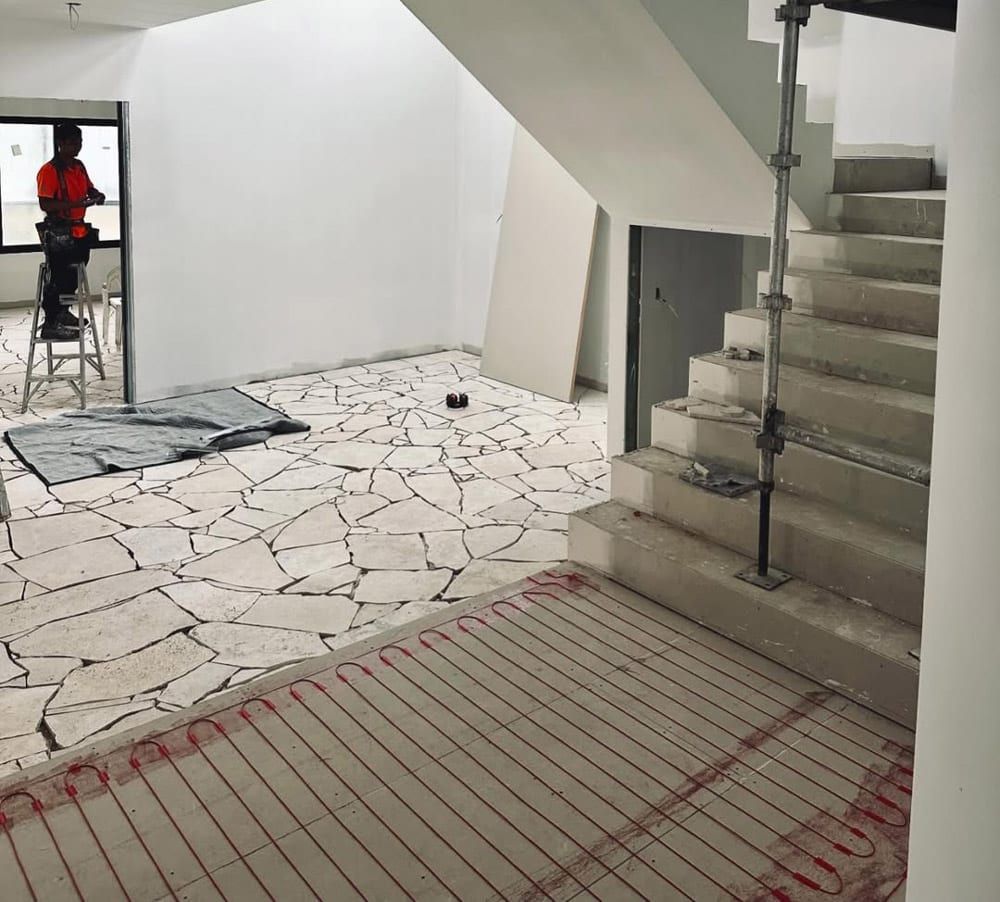
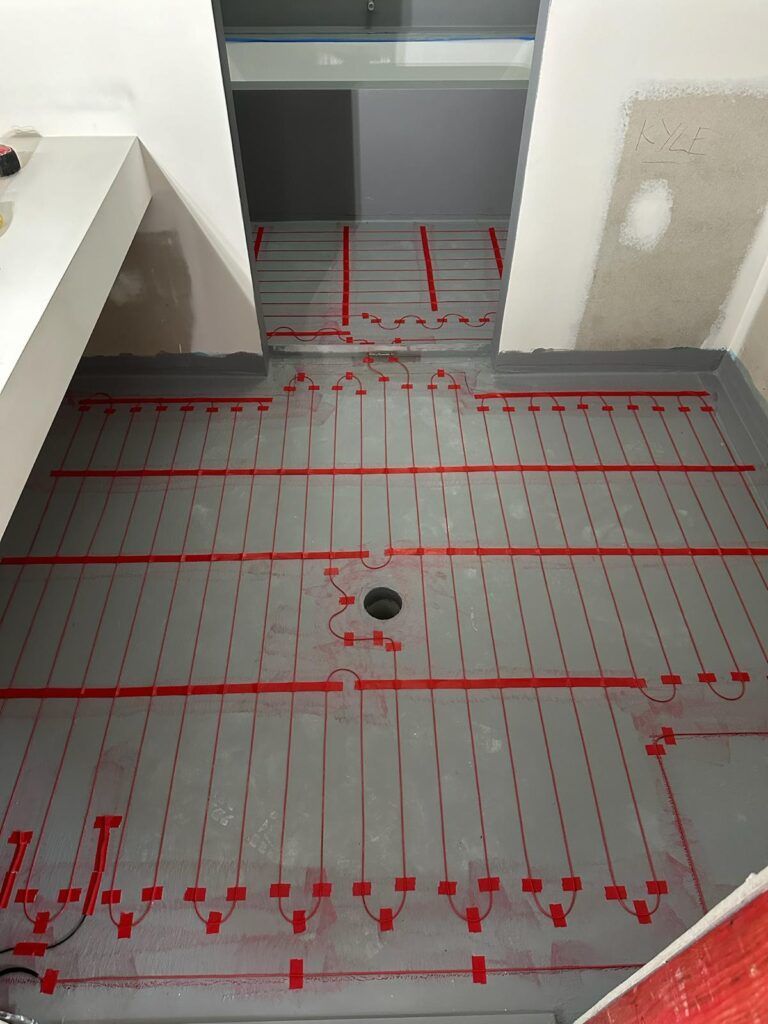
  • Uses heating cables or mats installed directly under the flooring.
  • Faster installation but higher running costs.
  • Ideal for retrofit projects or single-room upgrades.


Hydronic Underfloor Heating (Wet System)


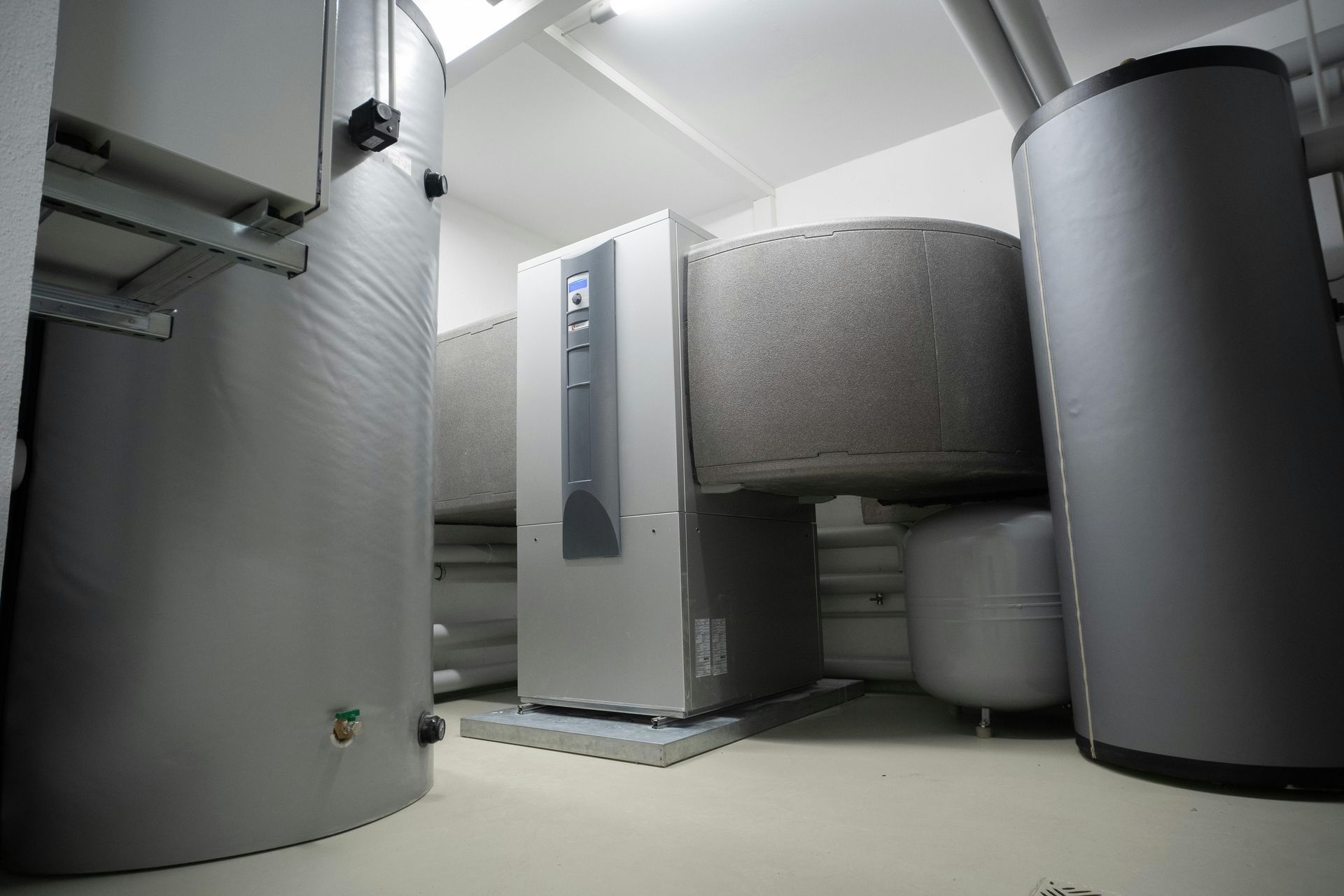
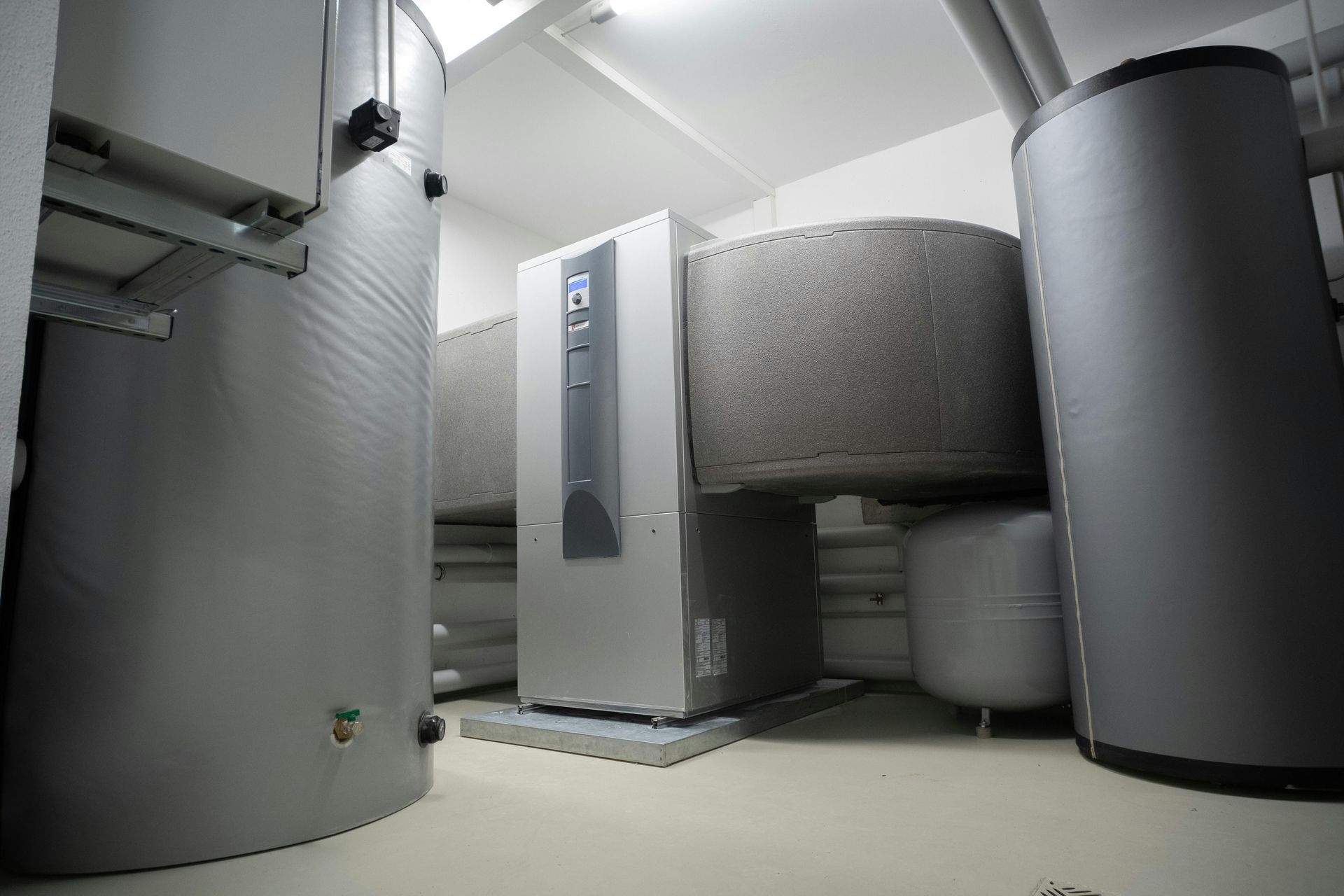
  • Uses a network of water pipes connected to a boiler or heat pump.
  • Best suited for new builds or large areas.
  • More energy-efficient in the long run.
  • Can be powered by renewable energy sources (solar, geothermal).


Choosing the right system depends on your budget, floor type, and whether you need whole-house or single-room heating.


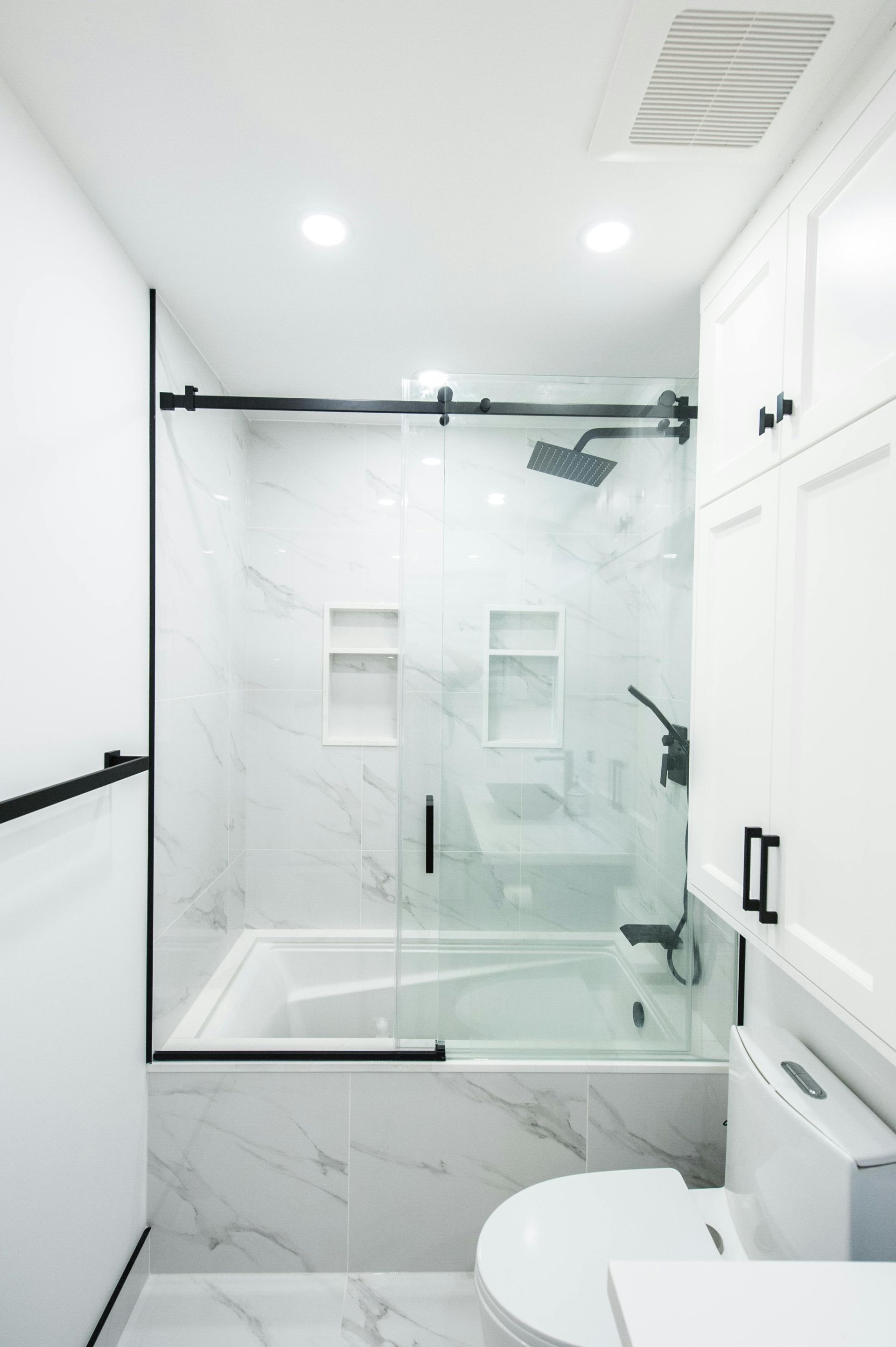
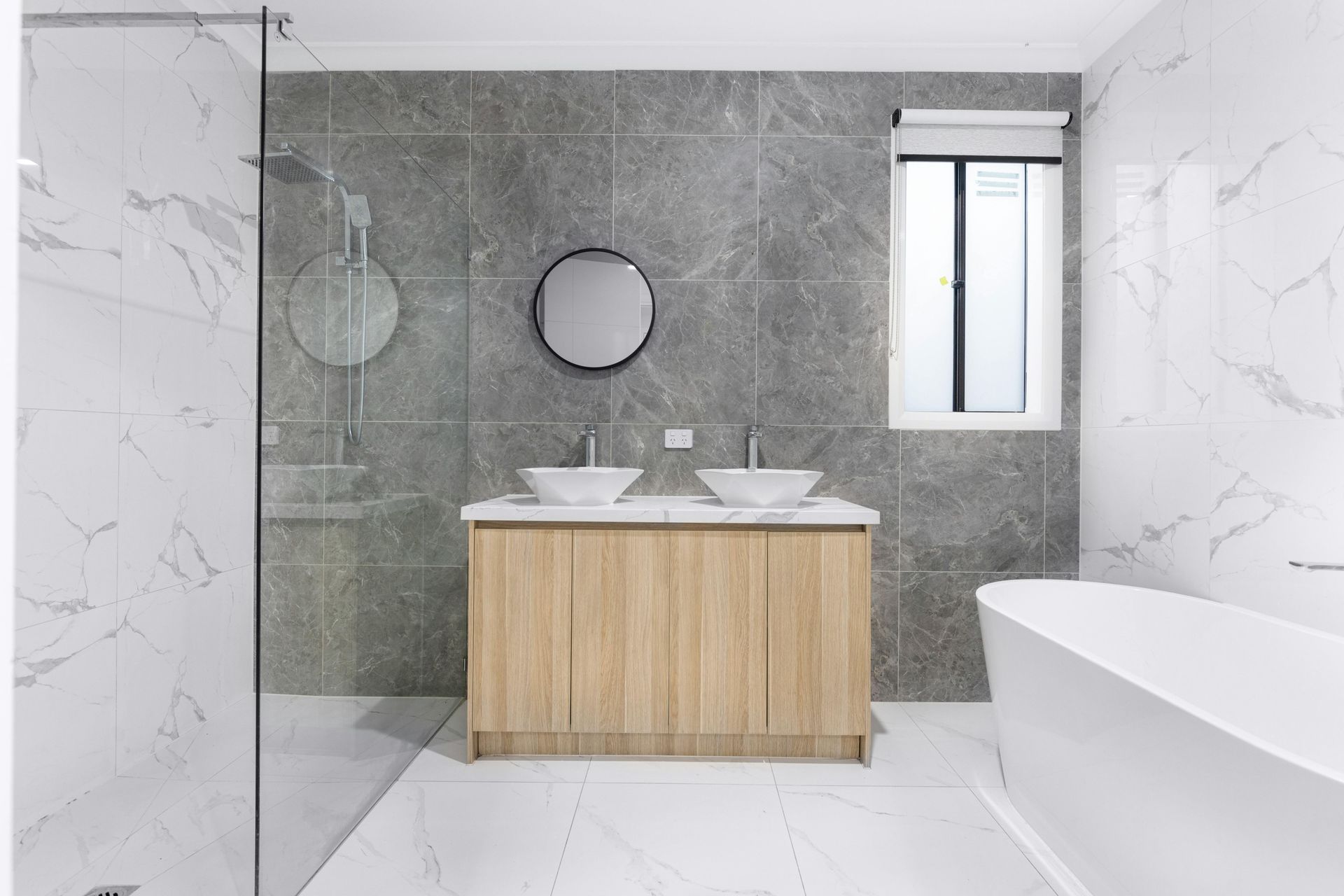
Bathroom Underfloor Heating: A Smart Investment


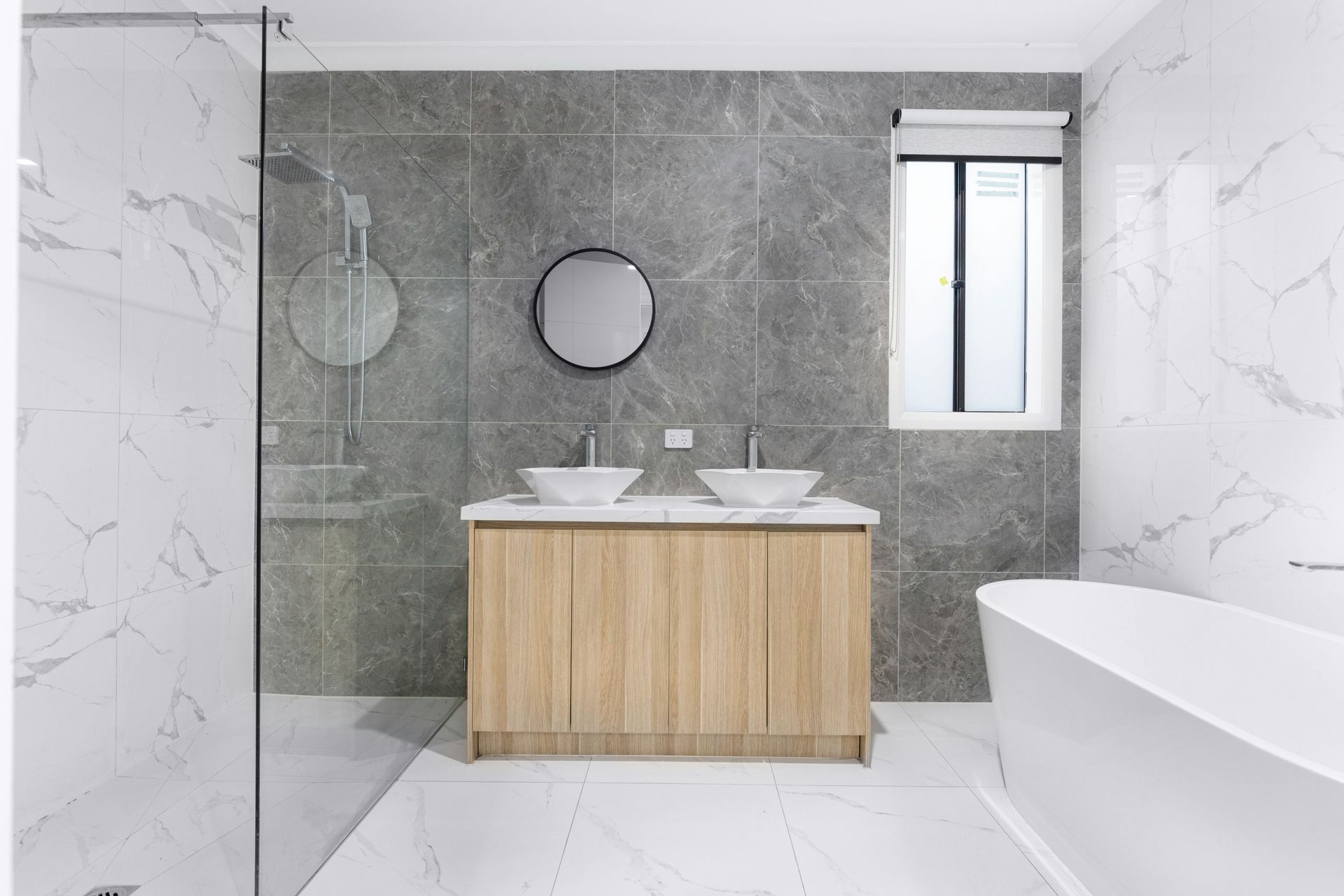
Few things are more uncomfortable than stepping onto a cold bathroom floor on a winter morning. Adding underfloor heating to your bathroom enhances comfort and prevents cold spots.


Why Bathroom Underfloor Heating is Worth It


  • Space-saving – Eliminates the need for bulky radiators.
  • Faster drying floors – Reduces moisture buildup and minimises mould risks.
  • Programmable thermostats – Allow efficient heating schedules to reduce energy waste.
  • Easy to install – Electric underfloor heating mats are perfect for small bathrooms.


If you’re renovating your bathroom, investing in underfloor heating adds luxury and practicality.


The Role of Insulation in Underfloor Heating Efficiency


Proper insulation ensures your underfloor heating operates efficiently without heat loss. Without it, a significant amount of heat can escape downward into the subfloor, reducing efficiency.


How to Improve Underfloor Heating Efficiency


  • Install insulated underlays – Prevent heat from dissipating into the subfloor.
  • Use reflective insulation boards – Direct heat upwards for better efficiency.
  • Ensure a well-insulated home – Double-glazing windows and insulated walls help retain warmth.

Good insulation helps your underfloor heating system work more effectively, reducing energy costs.


Hydronic Underfloor Heating for Larger Areas & New Builds


If you’re designing a new home or renovating a large space, hydronic underfloor heating is an excellent option due to its efficiency and cost-effectiveness.


Benefits of Hydronic Underfloor Heating


  • Lower running costs – Uses water at lower temperatures than radiators, reducing energy use.
  • Works well with heat pumps & solar panels – Making it an eco-friendly choice.
  • More even heat distribution – No hot or cold spots in large rooms.
  • Ideal for open-plan homes – Provides consistent warmth across large spaces.


Hydronic underfloor heating is a long-term investment that pays off in comfort and efficiency.


Maintenance Tips for Long-Term Performance


Underfloor heating systems require minimal maintenance, but regular checks help keep them running smoothly.


Electric Underfloor Heating Maintenance


  • Check thermostats regularly for accurate temperature control.
  • Inspect wiring connections if any section stops heating.


Hydronic Underfloor Heating Maintenance


  • Flush the system annually to remove debris.
  • Check for leaks or pressure drops in the pipework.
  • Service your boiler or heat pump for optimal performance.


With proper maintenance, your underfloor heating will stay efficient and reliable for years.


Find the Right Underfloor Heating Kit for Your Home


Choosing the best underfloor heating kit requires careful planning. Whether you need a quick electric solution for your bathroom or a hydronic system for your entire home, selecting the right system ensures comfort, efficiency, and long-term savings.


At Livella, we offer top-quality underfloor heating solutions designed for all spaces—from bathroom underfloor heating to underfloor heating for concrete slabs. Explore our range today and upgrade your home’s warmth and efficiency!

Gray bathroom floor with red heating cables, drain in center, doorway at back.
By Livella August 11, 2025
In Canberra’s crisp winters, heating is non-negotiable, but how we heat our homes is changing. Gone are the days when clunky radiators defined interior design and dictated furniture placement. Today, more Canberrans are turning to on-slab (underfloor) heating systems, not just for their sleek aesthetics. This modern approach offers a unique combination of energy efficiency,... The post Why Canberrans Choose On-Slab Heating Over Traditional Radiators appeared first on Livella.

Yoga studio with mats, pillows, and plant near windows with sheer curtains. Wooden floors, beige walls.
By Livella August 7, 2025
Have you ever stepped out of bed on a winter morning in Canberra and winced at the cold floor? If you’re planning a renovation, this discomfort may be the prompt you need to consider underfloor heating. For homeowners upgrading their spaces, installing a heating system that brings both comfort and long-term practicality is often top... The post What Makes Underfloor Heating a Smart Investment for Canberra Renovations appeared first on Livella.

Modern kitchen with white and wood cabinets, island with stools, and linear lighting.
By Livella June 24, 2025
New Zealand winters can be a challenge for homeowners, with cold temperatures and damp mornings making it difficult to keep the house warm and comfortable. Traditional heating systems, like space heaters and radiators, may not provide the even, consistent warmth needed to combat the chill. This is where underfloor heating comes in as an efficient,... The post Why Underfloor Heating is Ideal for New Zealand’s Cold Winters appeared first on Livella.
Modern bathroom with a white bathtub, shower, and large black-framed windows. Light wood floors and shelf.
By Livella February 10, 2025
When it comes to home heating solutions, on-slab underfloor heating is gaining popularity for its efficiency, comfort, and seamless integration into modern home designs. Whether you’re building a new home or renovating, an on-slab underfloor heating system can provide consistent warmth while enhancing energy efficiency. In this guide, we’ll explore what on-slab heating is, how... The post What Is On-slab Heating & How Does It Work? appeared first on Livella.
Interior under construction with tiled floor, staircase, and a person working by a window.
By Livella February 7, 2025
Underfloor heating is becoming an increasingly popular choice for homeowners, offering a comfortable and energy-efficient way to heat indoor spaces. Whether you’re considering underfloor heating in NZ for your bathroom, living room, or entire home, it’s essential to understand the two main options available: electric and hydronic underfloor heating. Each system has its advantages and... The post Electric Vs Hydronic Underfloor Heating: Which System Is Right For You? appeared first on Livella.