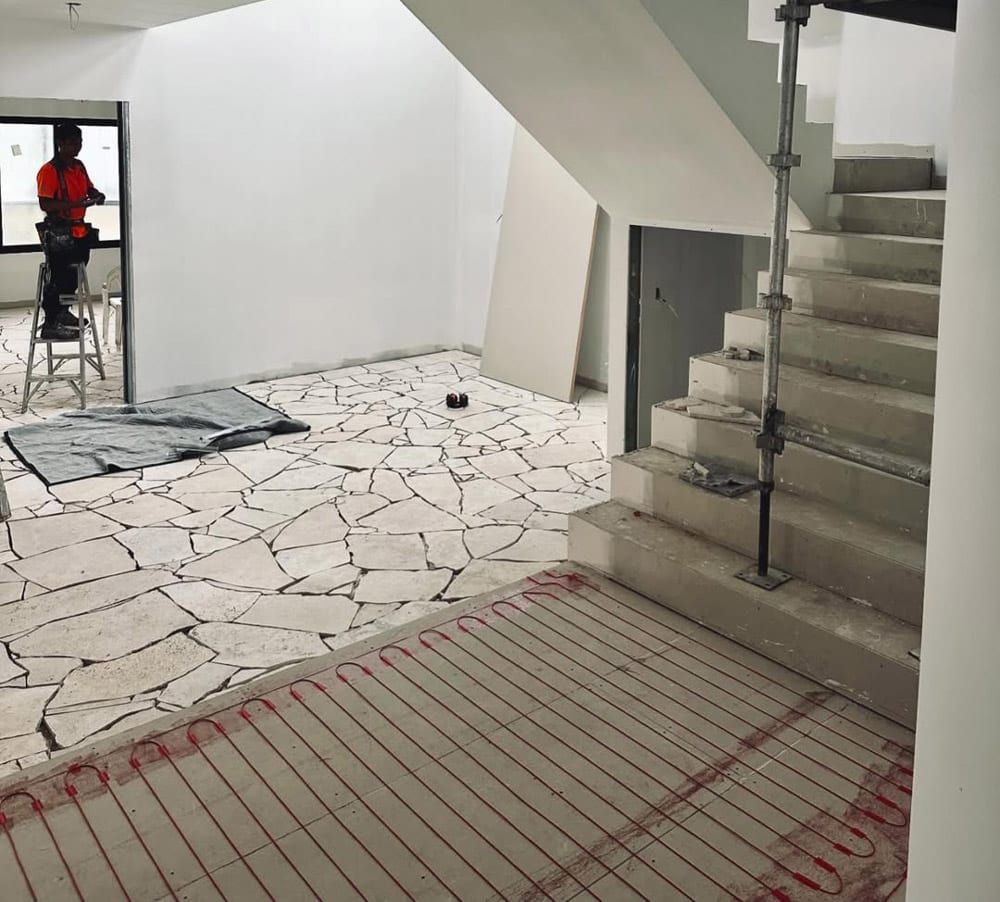
Bathroom Underfloor Heating: A Practical Guide for Renovators
If you have ever stepped out of a hot shower onto freezing tiles, you already know why bathroom underfloor heating is one of the most requested upgrades in Australian renovations. At Livella Underfloor Heating, we have spent over 30 years helping homeowners across Sydney, Melbourne and Canberra turn cold bathrooms into warm, comfortable rooms. This guide covers how electric systems work, how they are installed under tiles and shower floors, and what to plan for before your renovation starts.
Key Takeaways
- Electric bathroom underfloor heating delivers even warmth and warm tiles in both new builds and renovations, from Mosman and Balmain to Brighton and Tuggeranong.
- Our ultra-thin 3mm heating cables don't change floor heights, which matters when doors, thresholds and shower falls are already set.
- Each bathroom runs on its own thermostat, so you only heat the room when you need it.
- Floor heating works best under tiles and stone, and we can install it under shower floors where waterproofing is correctly specified.
Why Cold Bathroom Floors Are a Problem (and How Floor Heating Fixes It)
Cold bathroom floors are a problem because tiles draw heat away from bare feet, and most bathroom heaters warm the air rather than the floor. Anyone who has stood on a tiled floor at 6am in a Melbourne or Canberra winter knows the feeling, and older Sydney homes with uninsulated slabs and high ceilings are no better.
Wall heaters, heat lamps and ducted vents all warm the air, and warm air rises. The tiles stay cold and draughts settle around your ankles. Underfloor heating works the other way around: it warms the floor itself, so the heat starts where your feet are and rises gently through the room.
At Livella Underfloor Heating, we see electric floor heating complement or replace heat lamps and wall panels in many bathrooms. The system is completely hidden, so there is nothing on the walls and nothing to clean around.
What Is Electric Bathroom Underfloor Heating?
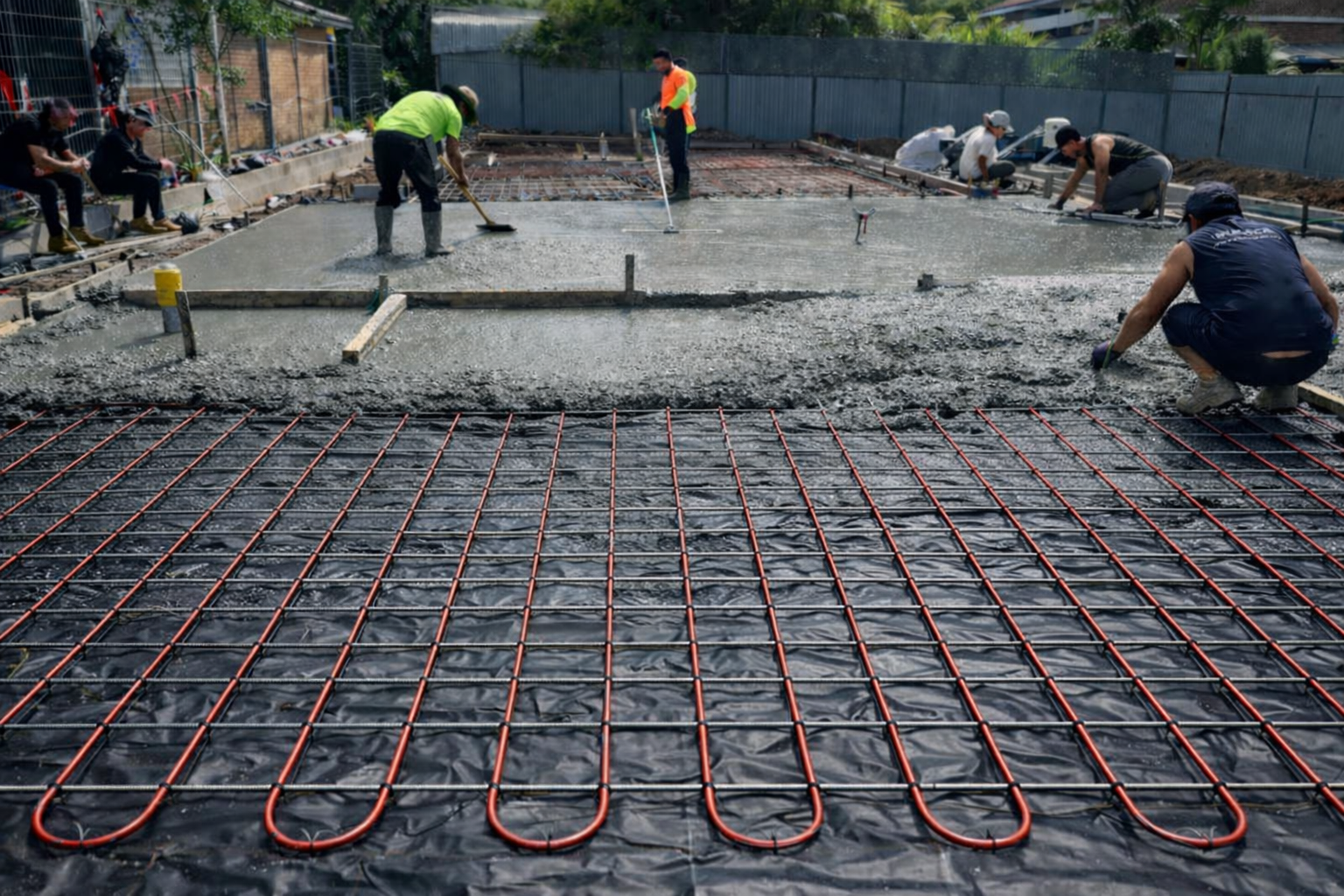
Electric bathroom underfloor heating is a radiant heating system that uses thin heating cables laid under the tiles to warm the floor surface from below. There are no fans, ducts or vents, just a thermostat on the wall and a floor sensor between the cables that measures the actual floor temperature.
A typical heated bathroom floor is built up in layers:
- Concrete slab or subfloor
- Waterproof membrane
- Electric heating cables
- Tile adhesive or levelling compound
- Tiles or another compatible floor finish
Underfloor heating comes in two broad types: electric, which uses heating cables, and hydronic, which circulates warm water through pipes from a boiler or heat pump. In bathrooms, electric is the practical choice for most renovators because there is no pipework or plant equipment to fit in. If you want the full comparison, our guide to electric vs hydronic underfloor heating explains the differences.
Livella Underfloor Heating uses ultra-thin 3mm cables that don't change floor heights, even when we retrofit during a bathroom renovation. The system connects to your home's electrical supply and is controlled by a programmable thermostat.
Floor Heating Options for Bathrooms: Cables, Mats and In-Screed
Bathroom floor heating systems generally come in three formats: loose heating cables, heating mats and in-screed installations. The right one depends on your bathroom layout and how the floor is being built up.
- Loose heating cables are flexible and can be set out around toilets, vanities and shower wastes. They suit irregular bathroom layouts where a fixed mat won't fit neatly.
- Heating mats have cables pre-fixed to a mesh backing, which can speed up installation in simple rectangular bathrooms and ensuites with few obstacles.
- In-screed systems place the cables within a sand-and-cement screed under the tiles. The extra mass holds warmth longer after the system cycles off.
At Livella Underfloor Heating, our cables are custom laid to reach every corner of the floor, including into the shower. For renovation bathrooms in suburbs like Paddington or Northcote, we keep the cables close to the underside of the tiles so the floor warms up quickly before morning showers.
Benefits of Bathroom Underfloor Heating
The main benefit of bathroom underfloor heating is comfort: warm tiles every time you step out of the shower. Beyond that small daily luxury, there are practical reasons Sydney, Melbourne and Canberra homeowners add it to their renovations:
- Even warmth everywhere. The whole floor becomes the heat source, so there are no cold spots near windows or walls.
- No exposed hot surfaces. The heating is buried beneath the tiles, so there are no glowing bars or hot panels for children or older family members to touch.
- Drier floors. Warm tiles help the floor dry faster after showers, which reduces lingering moisture and mould, especially in shower recesses.
- Silent and hidden. There's no fan noise and no dust being blown around, which suits allergy sufferers.
- No maintenance. With no moving parts, there's nothing to service once the floor is laid.
Many of our customers tell us the bathroom simply feels like a different room. You can read how one Balmain family found it in their bathroom renovation story.
Is Electric Underfloor Heating Energy Efficient in Bathrooms?
Electric underfloor heating is energy efficient in bathrooms because it heats a small, defined floor area directly, with no heat lost through ducts or pipes. Bathrooms are compact rooms, which makes them one of the best places to use it.
At Livella Underfloor Heating, every bathroom is controlled by its own programmable thermostat. You can schedule the floor to warm up just before your morning routine and switch off once everyone has left for work, so you're never paying to heat an empty room.
Insulation also makes a difference. Where the slab or subfloor is accessible, extra insulation helps push heat up into the room instead of down into the ground. It isn't strictly necessary for the system to work, but it improves performance.
Your actual running costs depend on floor area, thermostat settings, hours of use and your electricity tariff. We are happy to walk you through what to expect for your specific bathroom when we prepare your free quote.
Bathroom Safety: No Hot Surfaces, Dry Floors and Compliance
Properly designed electric underfloor heating is a safe way to heat a bathroom when it is installed by a licensed electrician. The heating cables sit beneath the tiles and adhesive, so there are no accessible hot surfaces, and the floor is warmed gently rather than heated to a high temperature.
The system is sealed within the floor build-up, and in wet areas the cables are installed with the waterproofing system correctly specified by your builder or waterproofer. Electrical safety requirements include:
- RCD (safety switch) protection, as required under Australian wiring rules
- All wiring connected by a licensed electrician
- Thermostat settings that limit floor temperature for family bathrooms
Livella Underfloor Heating works with a network of 100+ licensed electricians across Australia who know our products and installation methods, so the job is done properly from day one.
Underfloor Heating in Showers and Wet Zones
Electric underfloor heating can be installed under shower floors when the waterproofing and falls are correctly specified. At Livella Underfloor Heating, we highly recommend heating the shower area, because it dries wet surfaces quickly and helps reduce mould growth.
A typical walk-in shower sequence looks like this:
- Graded screed or shower tray, with correct falls to the waste
- Waterproof membrane, fully cured
- Heating cables carefully set out around the drain
- Tile adhesive
- Tiles
The heating design has to respect the falls to the waste and keep the finished floor level consistent with the rest of the bathroom and the door threshold. Your tiler, waterproofer and electrician all need to know where the cables and floor sensor sit, so drainage, membranes and heating work together. We coordinate with your trades to keep the renovation on schedule.
Choosing the Right Thermostat and Controls
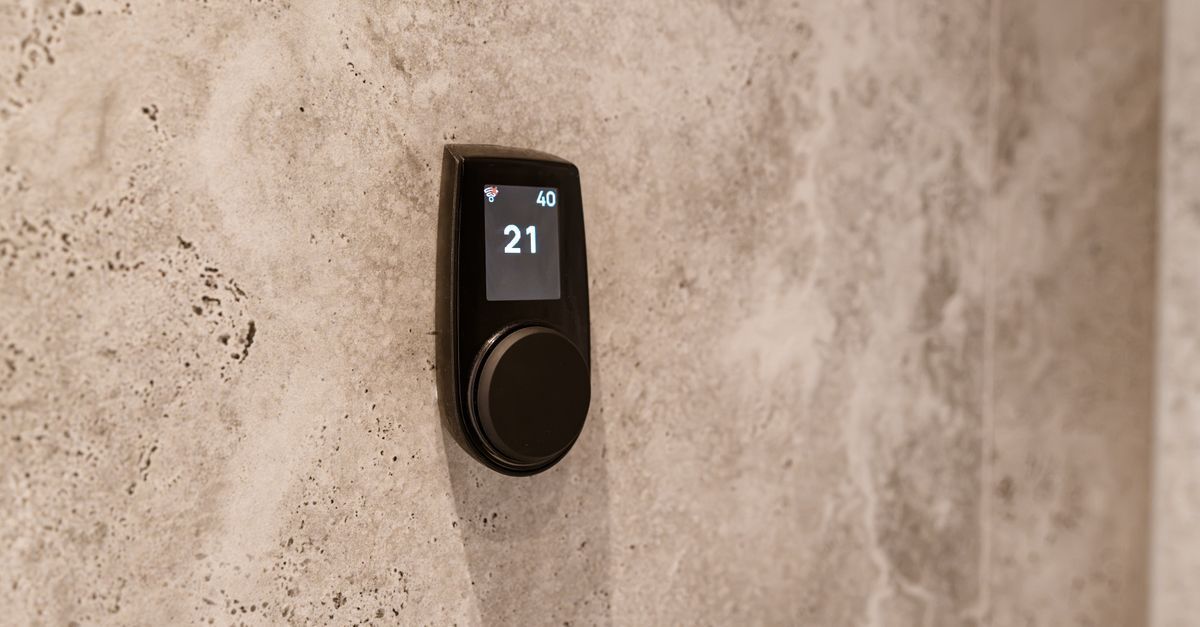
A good thermostat is essential for comfort and efficiency because it decides when your bathroom floor heats and how warm it gets. Every Livella Underfloor Heating system is paired with a programmable thermostat and a floor sensor that measures the actual floor temperature.
Common control options include:
- Programmable schedules for weekdays and weekends, so the floor is warm before you wake up
- Temporary overrides without losing your saved schedule
- Wi-Fi control from your phone, if you choose the Wi-Fi version of our thermostat
Separate thermostats for each bathroom let you tailor settings room by room. You might keep the ensuite on a daily schedule and only heat the guest bathroom when visitors stay. Our Deluxe Touchscreen Thermostat can also control heated towel rails from the same panel.
Bathroom Layout, Floor Types and Floor Levels
Your bathroom layout and floor finish shape how the heating is designed. Livella Underfloor Heating plans cable coverage across the open floor areas you actually walk on, and keeps it clear of fixed cabinetry, floor-mounted vanities, bathtubs and toilets where heat would be wasted.
Tiles are the most common and most efficient finish for a heated bathroom floor. Ceramic, porcelain and natural stone all transfer heat well and suit wet areas. Polished concrete also works, though it holds more heat and warms more slowly.
Timber and laminate can be heated in adjoining rooms, provided the flooring manufacturer approves use over underfloor heating, but they are rarely used in bathrooms themselves. Because our cables are only 3mm thick, they don't change floor heights, which helps doors, thresholds and shower screens line up as planned.
Installation Basics: New Builds vs Bathroom Renovations
Bathroom underfloor heating is installed before the tiles go down in both new builds and renovations. The difference is mainly in how the floor is prepared.
New Builds
In a new build, the heating is planned from the start. The builder prepares the subfloor, waterproofing is applied and cured, then the heating cables are laid before tiling. Every trade knows the plan in advance, which makes it straightforward.
Bathroom Renovations
In a renovation, the old tiles are stripped, the slab or subfloor is checked and levelled where needed, and the heating is installed before retiling. Any levelling compound must be fully dry before the cables go down.
Electric underfloor heating is ideal for retrofitting because it doesn't need pipework or plant equipment. Timing matters: the heating goes in after the waterproofing has cured and before the floor finish, with enough time for adhesive and grout to dry before the system is switched on. Livella Underfloor Heating coordinates with a network of 100+ licensed electricians and works alongside your builder, tiler and waterproofer.
Planning Your Bathroom Heating System: Practical Considerations
Good planning before installation day avoids cold corners, uneven heat and wasted energy. Here is what Livella Underfloor Heating asks homeowners to think about:
- Map the usable floor area. Focus heating on walking zones in front of vanities, toilets and showers.
- Think about daily routines. Early mornings, evening baths or a guest bathroom all suggest different thermostat schedules.
- Consider future changes. If you might add a freestanding bath or move a vanity later, tell us so cables are kept clear of future fixings.
- Account for insulation. Where the slab or subfloor is accessible, insulation improves performance.
Send us your bathroom plans and we'll design a cable layout with heat output calculations at no extra cost. Getting it right early saves time during the renovation itself.
Durability, Warranty and Maintenance
Electric bathroom floor heating needs no ongoing maintenance because the cables have no moving parts and are fully sealed in the floor. At Livella Underfloor Heating, our cables are designed to last 25 years or more.
- Our heating elements carry a 10-year product warranty. A warranty application must be lodged within 30 days of installation.
- Thermostats typically last 10 to 15 years and can be replaced without disturbing the floor.
- Systems are tested during installation to confirm everything is working before the tiles go down.
If you ever suspect a problem, don't drill or screw into the floor. Get in touch with us first so the system can be checked properly.
Bathroom Underfloor Heating vs Other Heating Systems
Bathroom underfloor heating is the only common option that warms the tiles themselves. Here is how it compares with other bathroom heating choices:
- Electric floor heating: even warmth across the floor, warm tiles, completely hidden, simple to install in a bathroom.
- Heat lamps: quick spot warmth directly underneath, but cold tiles and ceiling-mounted fittings.
- Ducted or split systems: warm the air, which rises to the ceiling, with vents or wall units on display.
- Hydronic floor heating: warms the floor, but needs pipes, a manifold and a boiler or heat pump, which adds cost and complexity in a single bathroom.
For small wet areas, Livella Underfloor Heating believes electric floor heating gives the best balance of comfort, responsiveness and installation simplicity. It keeps the warmth at tile level, not near the ceiling.
Working with Livella Underfloor Heating
Livella Underfloor Heating is a family-owned electric underfloor heating specialist with over 30 years' experience and more than 18,000 residential and commercial installations completed. We design every system for the room it's going into, using ultra-thin 3mm cables for renovations and tailored layouts for new builds.
Homeowners renovating or building across Sydney, Melbourne and Canberra can draw on our network of 100+ licensed electricians. Our head office is in Dee Why on Sydney's Northern Beaches, and if you're planning a project closer to home, our page on underfloor heating in Sydney covers our local service in more detail.
Get in touch early in your planning so the heating can be coordinated with waterproofing, tiling and electrical work, rather than treated as an afterthought. We offer free, no-obligation quotes.
Frequently Asked Questions about Bathroom Underfloor Heating
Can I install bathroom underfloor heating under any type of floor?
Bathroom underfloor heating works best under ceramic or porcelain tiles and natural stone, which transfer heat efficiently and suit wet areas. Timber, laminate and carpet can be heated in other rooms if the flooring manufacturer approves it, but they are uncommon in bathrooms. Always check your flooring supplier's specifications, and we can help with this at the design stage.
Will underfloor heating raise my bathroom floor level?
Our ultra-thin 3mm heating cables don't change floor heights in any meaningful way, so door clearances and shower thresholds can stay as planned. Talk to your builder and tiler early so the heating layer is allowed for alongside screeds, membranes and tile thickness.
How long does bathroom underfloor heating take to warm up?
Cables installed close to the underside of the tiles respond fastest, because there's very little material between the heating and the floor surface. Thicker screeds take longer. Setting your thermostat to pre-heat before your morning routine means the floor is already warm when you need it.
Can I retrofit underfloor heating into an existing bathroom without removing tiles?
In most cases, existing tiles need to be removed, because the cables are installed beneath the finished floor. That's why the best time to add floor heating is during a bathroom renovation. Our on-slab cables can be installed over existing tiles in some situations, so talk to us about your current floor.
What happens if I damage the floor where heating is installed?
Drilling, screwing or nailing into a heated floor can damage the cables, so plan any future fixings carefully and avoid the heated area. If you suspect damage, call Livella Underfloor Heating on 1800 833 933 before doing any work, and we'll help you work out the next step.
Recent Posts