Underfloor Heating and Polished Concrete: What to Know
Polished concrete is one of the most popular floor finishes in modern Australian homes, but in winter that beautiful surface can feel cold underfoot. At Livella Underfloor Heating, we help homeowners and builders across Sydney, Melbourne and Canberra pair polished concrete with electric underfloor heating, turning the whole floor into a gentle, even source of warmth. This guide explains how it works, what to plan before the pour, and what affects the cost of a heated polished concrete floor.
Key Takeaways
- Polished concrete pairs extremely well with underfloor heating. Concrete conducts and holds heat well, turning a hard, cold floor into a warm feature in living rooms, bathrooms and open-plan spaces.
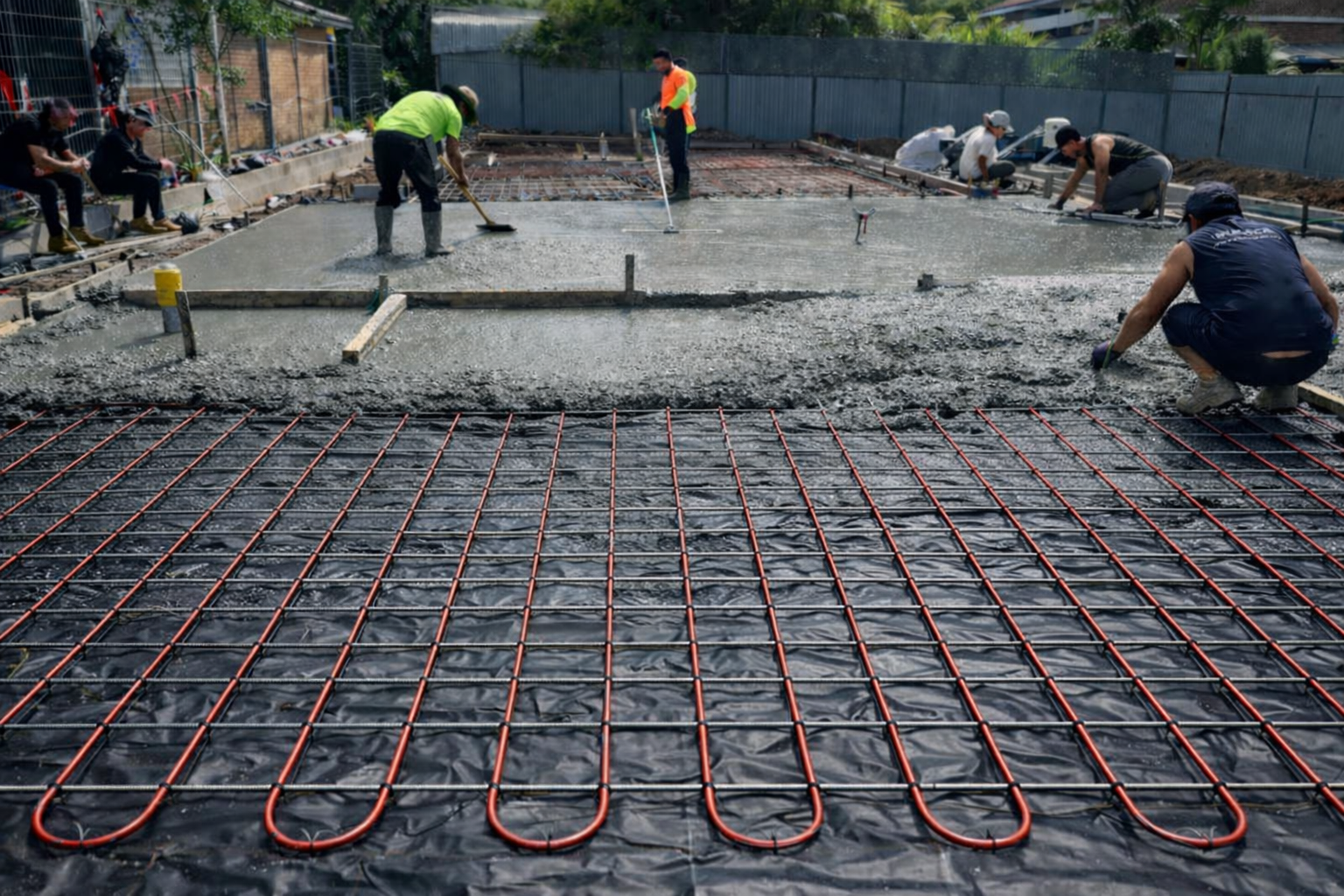
- Our in-slab cables are embedded in the concrete slab before the pour, which makes them ideal for new builds with polished concrete. In-slab systems take around 4 to 6 hours to reach full temperature and can hold warmth for up to 24 hours.
- On-slab cables can be installed over an existing concrete floor or within a screed for renovations where the slab is already poured.
What Is Underfloor Heating in Polished Concrete?
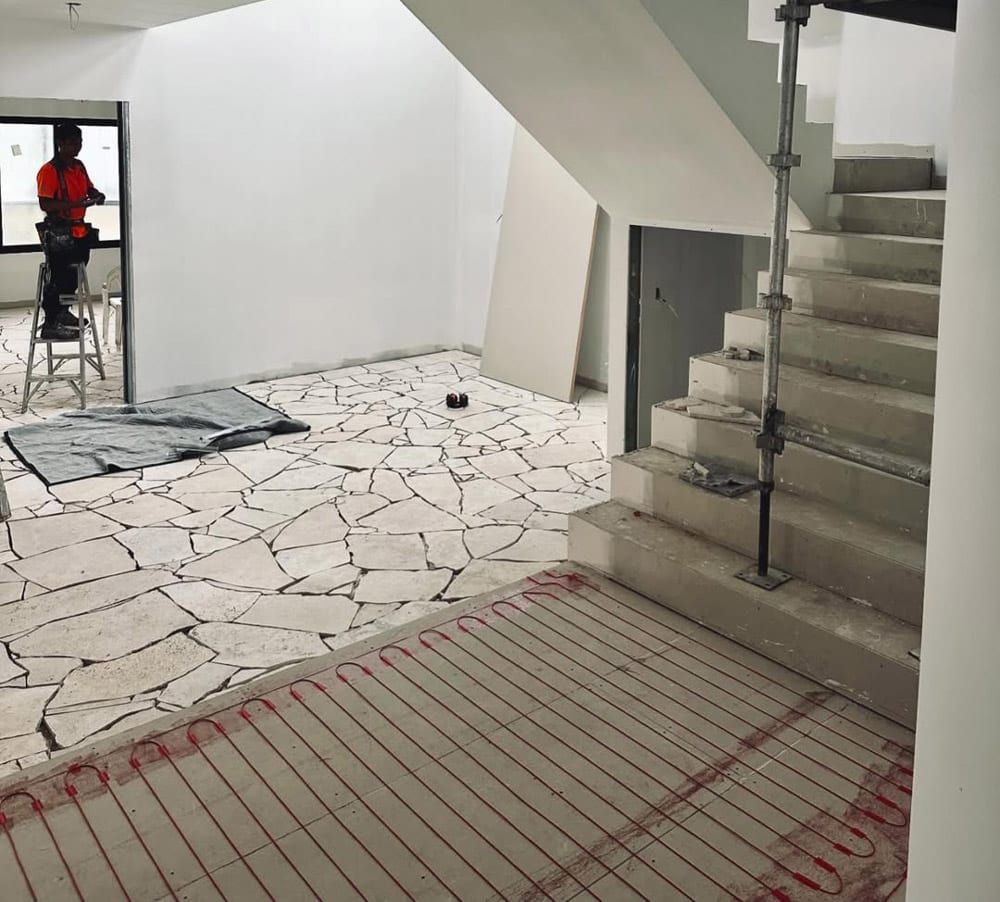
Underfloor heating in polished concrete uses electric heating cables embedded within, or laid over, a concrete slab to turn the entire floor into a radiant heat source. The system is silent and has no fans, vents or moving parts in the room.
Concrete has high thermal mass, which means it absorbs heat slowly and releases it slowly. Once warmed, the slab acts like a thermal battery, radiating steady warmth from the floor up and staying warm long after the cables cycle off.
At Livella Underfloor Heating, every system can be zoned room by room, with programmable thermostats controlling bathrooms, bedrooms and open-plan living areas independently. Compared with ducted heating or portable heaters, heated polished concrete puts the warmth where your feet are, without draughts, noise or dust being blown around.
Why Pair Underfloor Heating with Polished Concrete Flooring?
Pairing underfloor heating with polished concrete solves the one common complaint about concrete floors: they feel cold in winter. Polished concrete is already loved for its durability and clean, modern look, and floor heating makes it comfortable year-round.
Comfort benefits:
- Even warmth across the floor, with no cold spots
- A warm floor on winter mornings, whether you're in Canberra's Inner North or Melbourne's eastern suburbs
- Drier floors in bathrooms and entries, which helps reduce damp and mould
- A smooth surface that doesn't trap dust, combined with heating that doesn't blow air around
Design and lifestyle advantages:
- A minimalist look with no radiators on walls and no vents in the floor
- Complete freedom with furniture placement, although very thick rugs will slow heat transfer
- Works with different aggregate exposures and gloss levels
Polished concrete itself needs very little upkeep, and Livella Underfloor Heating's electric cables need no servicing at all. In-slab systems can also run on cheaper off-peak power, which helps keep running costs down when the system is designed and controlled properly.
Electric Underfloor Heating Options for Concrete Slabs
Livella Underfloor Heating supplies two electric options for concrete floors: in-slab cables for new slabs and on-slab cables for existing slabs. Both work with polished concrete, tiles and other hard floor finishes, and electric systems offer simple installation, no moving parts and easy zoning.
In-slab electric heating:
- Cables are fixed within the slab before the concrete is poured.
- Ideal when you're planning a new polished concrete floor in a home under construction.
- Takes around 4 to 6 hours to reach full temperature but can hold warmth for up to 24 hours, which suits off-peak tariffs and timer control.
- Our in slab heating page covers the system in detail.
On-slab electric heating:
- Cables are installed on top of an existing concrete floor or within a screed layer.
- Suits renovations where the slab is already down, or where a topping screed will be polished instead of the structural slab.
- Responds faster, because there's less concrete above the cables.
Whichever option you choose, heating elements must not cross structural expansion joints in the slab. That's one of the main reasons to work with a specialist who understands both floor heating and slab detailing.
Designing Heated Polished Concrete Floors: New Builds vs Renovations
Heated polished concrete is designed differently for a new slab than for an existing one. Livella Underfloor Heating works through both scenarios with homeowners and builders.
New builds:
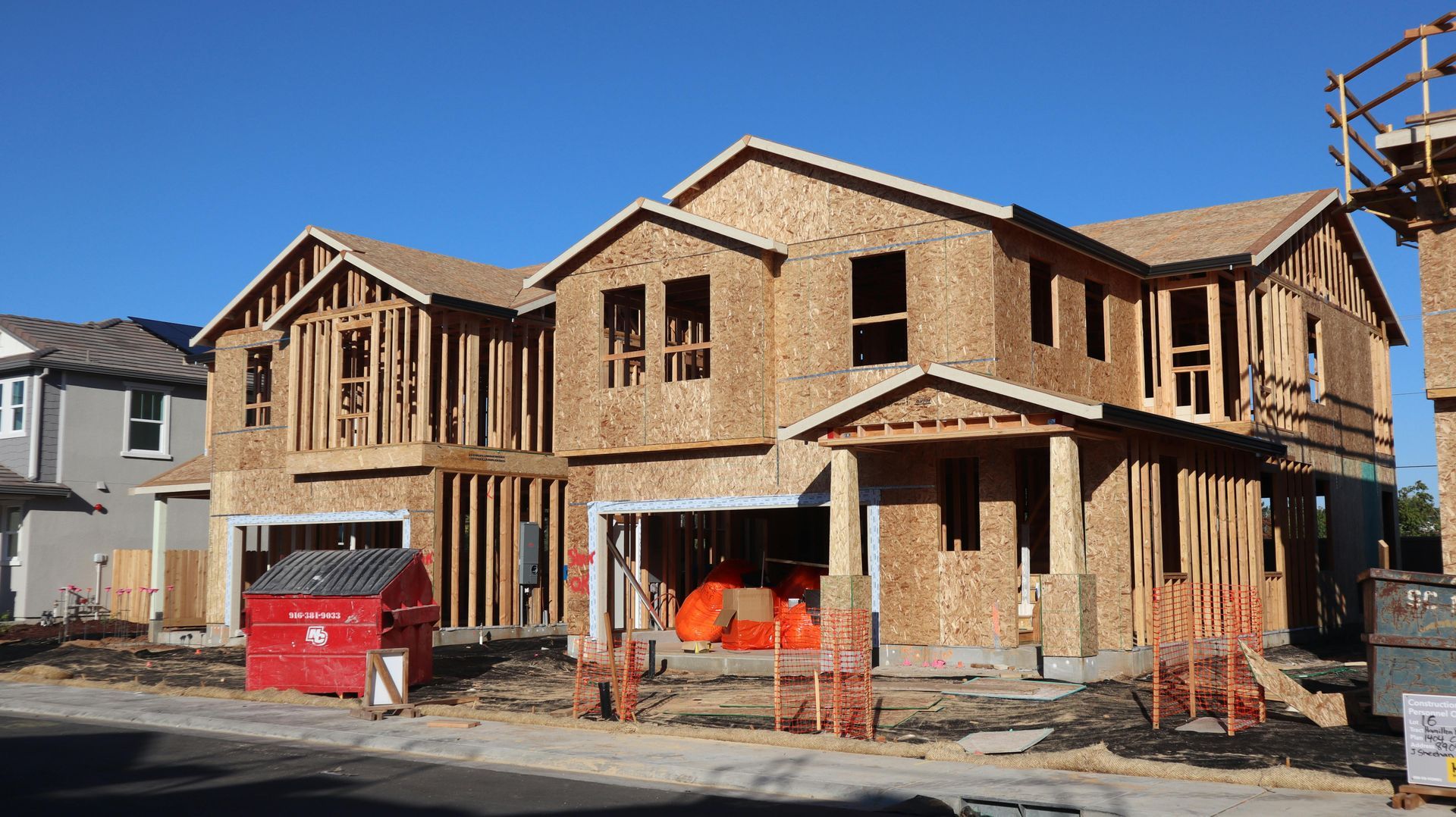
- The usual sequence is slab design with your engineer, under-slab insulation, in-slab cables, the pour, curing, then grinding and polishing.
- Underfloor heating must be installed before the concrete is poured, and the cable layout must be coordinated with control joints, plumbing penetrations and any feature inlays.
- Under-slab and edge insulation improve heat retention and efficiency, especially on ground-level slabs.
Renovations:
- Options include on-slab cables under a new topping screed that is then polished.
- Any added layer changes floor heights, so check door clearances and step-downs with your builder.
- Assess the existing slab's condition first, because polished concrete shows cracks.
Zoning matters in both cases. Common zones include ensuites, main bathrooms, kitchen-living-dining areas and bedrooms. We recommend talking to us and your builder at the design stage, so the cable layout, reinforcement and polished finish all work together. You can see an example in this Box Hill new build story.
Performance, Efficiency and Running Considerations
Heated polished concrete performs best as steady background warmth rather than quick on-off heating. A concrete slab stores heat and releases it slowly, which evens out temperature swings through the day and night.
Good insulation under and around the slab edges is essential. Without it, heat is lost down into the ground or out through the slab edges, and energy is wasted. With it, more heat moves up through the polished surface into the room.
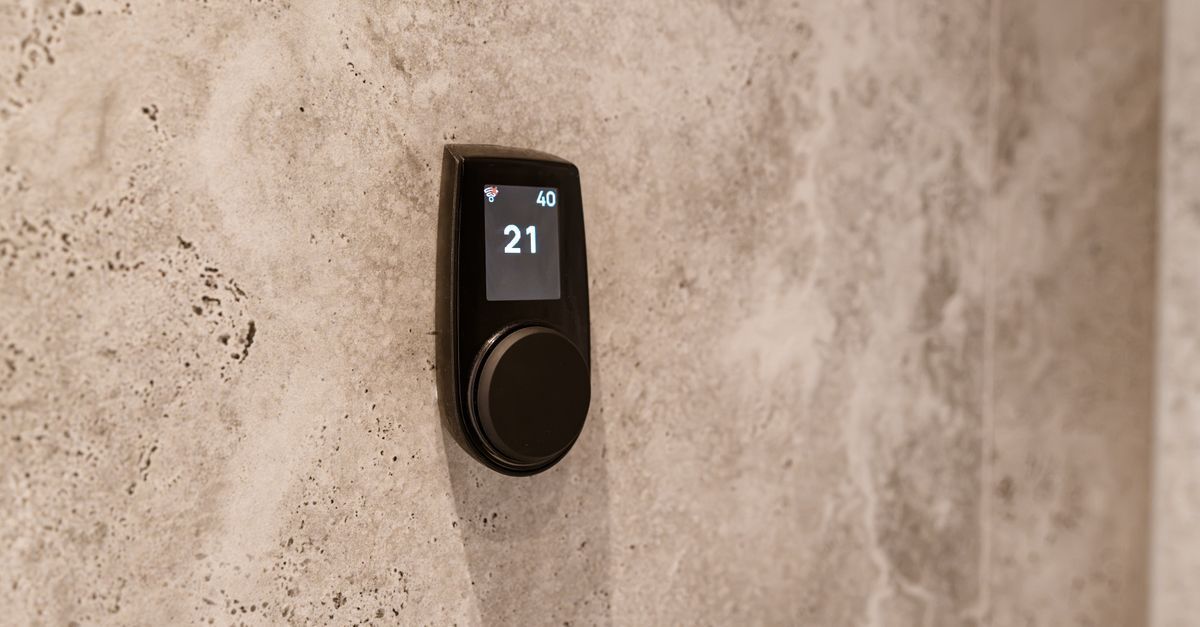
At Livella Underfloor Heating, we use programmable thermostats so in-slab systems can generate heat during off-peak periods and release it through the day. Zoning lets you prioritise the rooms you use most, such as a warmer setting in bathrooms and a lower background setting across open-plan living areas.
Bring the heating up gradually once the slab has cured, rather than switching straight to full temperature. In-slab systems suit a "set and forget" approach through the colder months.
Practical Tips for a Successful Heated Polished Concrete Project
A successful heated polished concrete floor depends on good coordination between the homeowner, builder, concreter, polisher and heating specialist. Here's what Livella Underfloor Heating recommends:
- Check the engineering drawings for control and expansion joints, and confirm the cables won't cross structural expansion joints.
- Plan under-slab insulation and vapour barriers as your engineer advises.
- Choose a concreter and polisher experienced with heated slabs, so the cables keep enough cover and aren't damaged during grinding.
- Let the concrete cure fully before switching the heating on.
- At handover, make sure you're confident using your thermostats and understand your zones.
What affects the cost: rather than a flat price, the cost of a heated polished concrete floor depends on the heated area, slab design, insulation requirements, cable layout, number of zones and thermostats, and whether it's a new slab or a topping screed over an existing one. We provide a detailed quote specific to your project at no charge.
Questions to ask your installer:
- What insulation is specified under the slab and around its edges?
- Where are the expansion joints, and how is the cable layout planned around them?
- How long should the slab cure before the heating is commissioned?
- How are the zones laid out, and how many thermostats are included?
How Livella Underfloor Heating Can Help
Livella Underfloor Heating is a family-owned electric underfloor heating specialist with over 30 years' experience, working with homeowners and builders across Sydney, Melbourne and Canberra. We supply in-slab heating cables designed to be embedded in new slabs before the pour, an excellent match for polished concrete in new builds. We also supply on-slab cables for existing concrete floors and screeds in established homes.
Every project includes a custom system design at no extra cost, with a cable layout coordinated around your slab joints, zoning and control recommendations, and advice on insulation and floor finishes. Installation is completed by licensed electricians from our network of 100+ installers.
Contact us for a free, no-obligation quote on your heated polished concrete floor.
Frequently Asked Questions
Can I add underfloor heating to an existing polished concrete floor?
You can't add cables inside an existing polished slab without major demolition. Instead, on-slab cables can be installed over the existing concrete and covered with a new topping screed that is then polished. Check door clearances and transitions with your builder, and get site-specific advice from us before committing to a design.
Will underfloor heating crack my polished concrete floor?
A correctly designed and installed system, with appropriate slab joints, a planned cable layout and a gradual start-up after curing, should not cause cracking. Most cracks in concrete come from structural movement, poor curing or joint detailing rather than the heating itself.
Is underfloor heating under polished concrete safe in bathrooms and wet areas?
Yes. Electric underfloor heating is commonly installed in bathrooms and wet areas when it's connected by a licensed electrician with RCD protection. Polished or honed concrete in wet areas should have an appropriate slip rating, which your concreter or polisher can specify.
How do I control temperatures with a slow-to-heat concrete slab?
Use programmable schedules so the slab is warmed ahead of when you need it, rather than switching on at the last minute. Large open-plan areas usually run best on a steady background setting through winter, with fine-tuning by zone. Our guide to on-slab heating explains how faster-responding systems compare.
Does underfloor heating limit how I can finish or colour my polished concrete?
Most polished concrete finishes, aggregates and stains are compatible with electric underfloor heating, because the cables sit within or below the slab rather than in the surface layer. Let your heating designer and polisher know about any unusual coatings or sealers so they can confirm suitability. For advice on your project, call Livella Underfloor Heating on 1800 833 933.