Underfloor Heating for Living Rooms, Kitchens and Bedrooms
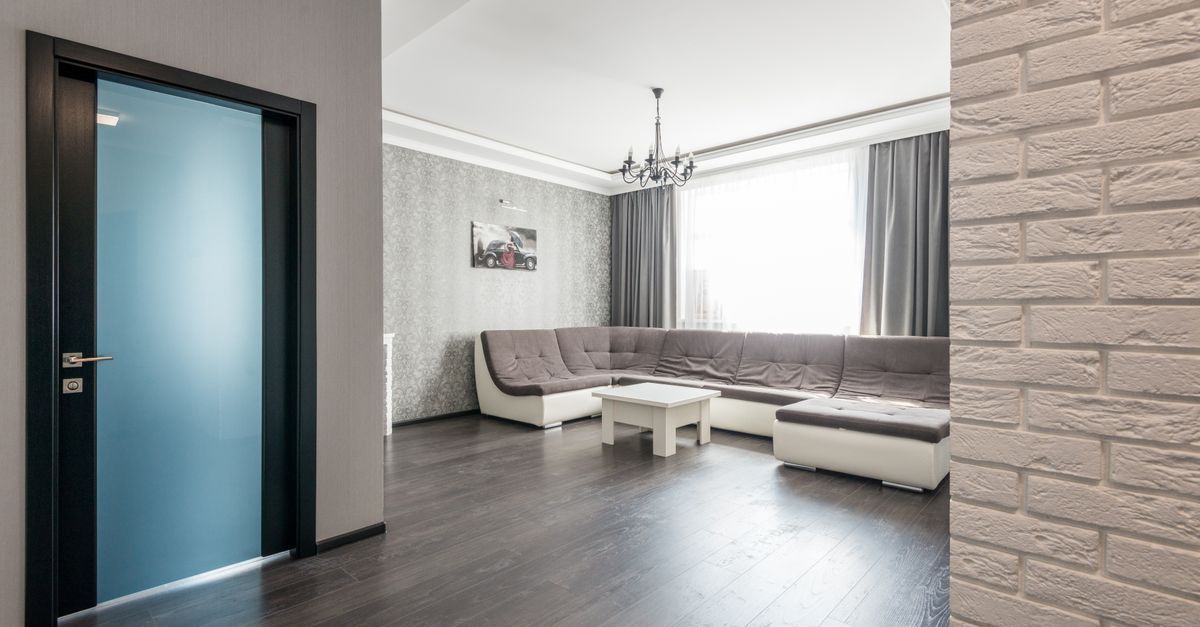
Your living room is where the family gathers, the kids sprawl on the floor and everyone wants to be comfortable without a heater humming on the wall. At Livella Underfloor Heating, we supply electric underfloor heating that turns the living room floor into a gentle, invisible heat source, warming the room from the ground up, quietly and evenly. This guide covers what Sydney, Melbourne and Canberra homeowners need to know about heating living rooms, kitchens and bedrooms, whether you're building new or renovating.
Key Takeaways
- Electric underfloor heating uses thin heating cables beneath the floor, turning the living room into a low-temperature radiant heat source with no visible heaters.
- Floor heating warms surfaces rather than blowing air around, so it's quieter, more even and better for indoor air quality than ducted or split systems.
- Our on-slab 3mm cables suit living room renovations, while in-slab systems are ideal for new builds. Both offer zoned, room-by-room control with programmable thermostats, and a Wi-Fi version is available.
- Our systems work under tiles, stone, timber, laminate and carpet, with no moving parts and no servicing.
Why Underfloor Heating Works So Well in Living Rooms
Underfloor heating works well in living rooms because it warms the whole floor evenly, so the room feels comfortable from your feet up without draughts or noise. Living rooms and open-plan areas are where families spend their evenings and where children play on the floor, so consistent warmth and clean, uncluttered walls matter more here than almost anywhere else.
Instead of hot air blowing from a unit high on the wall, a warm floor radiates heat upward. Your feet stay warm and the ceiling doesn't overheat. Split systems and gas heaters push heated air up to the ceiling, which leaves cold feet, creates draughts and circulates dust.
At Livella Underfloor Heating, we see the difference most in open-plan homes in places like Mosman, Hawthorn and Woden, where a warm floor under the lounge, play area and TV zone keeps the whole family comfortable.
How Electric Underfloor Heating Works in a Living Space
Electric underfloor heating works by running low-voltage heating cables beneath the floor, which warm the floor surface and gently radiate heat into the room. There's no boiler, no water pipes, no pumps and no fans.
- The cables warm the slab, screed or adhesive they sit in.
- That layer warms the floor surface above it.
- The floor gently radiates heat into the room.
A floor sensor measures the actual floor temperature, and the thermostat switches the system on and off to keep conditions stable. Because there are no fans or moving parts, it's silent, which suits media rooms and TV areas.
Livella Underfloor Heating focuses on electric underfloor heating for living rooms because it's simple and reliable. Hydronic systems need pipes, manifolds and a boiler or heat pump, which adds cost and complexity.
Choosing the Right System for Your Living Room: New Build vs Renovation
Whether you're building new or renovating usually decides which installation method fits best. Livella Underfloor Heating offers both.
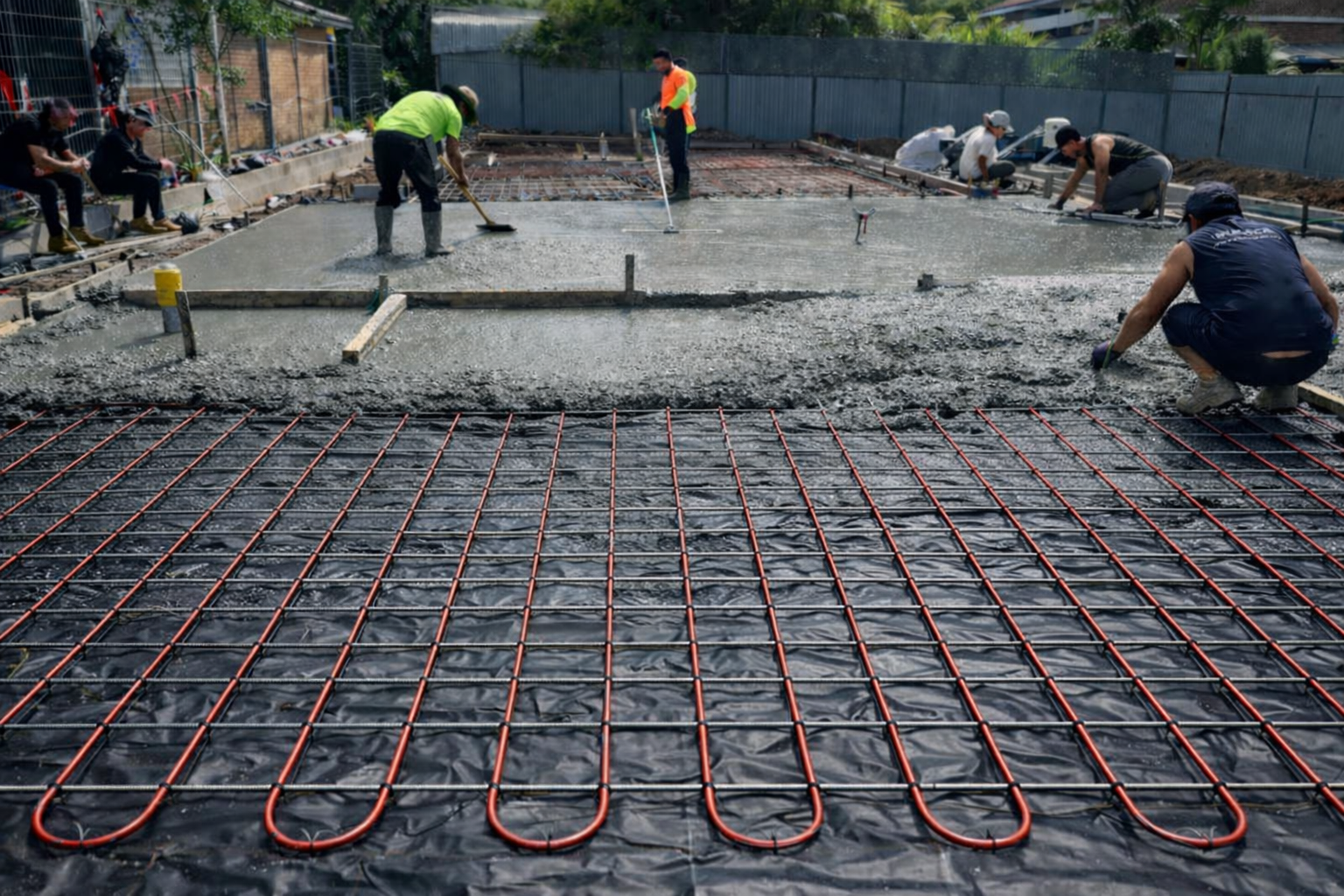
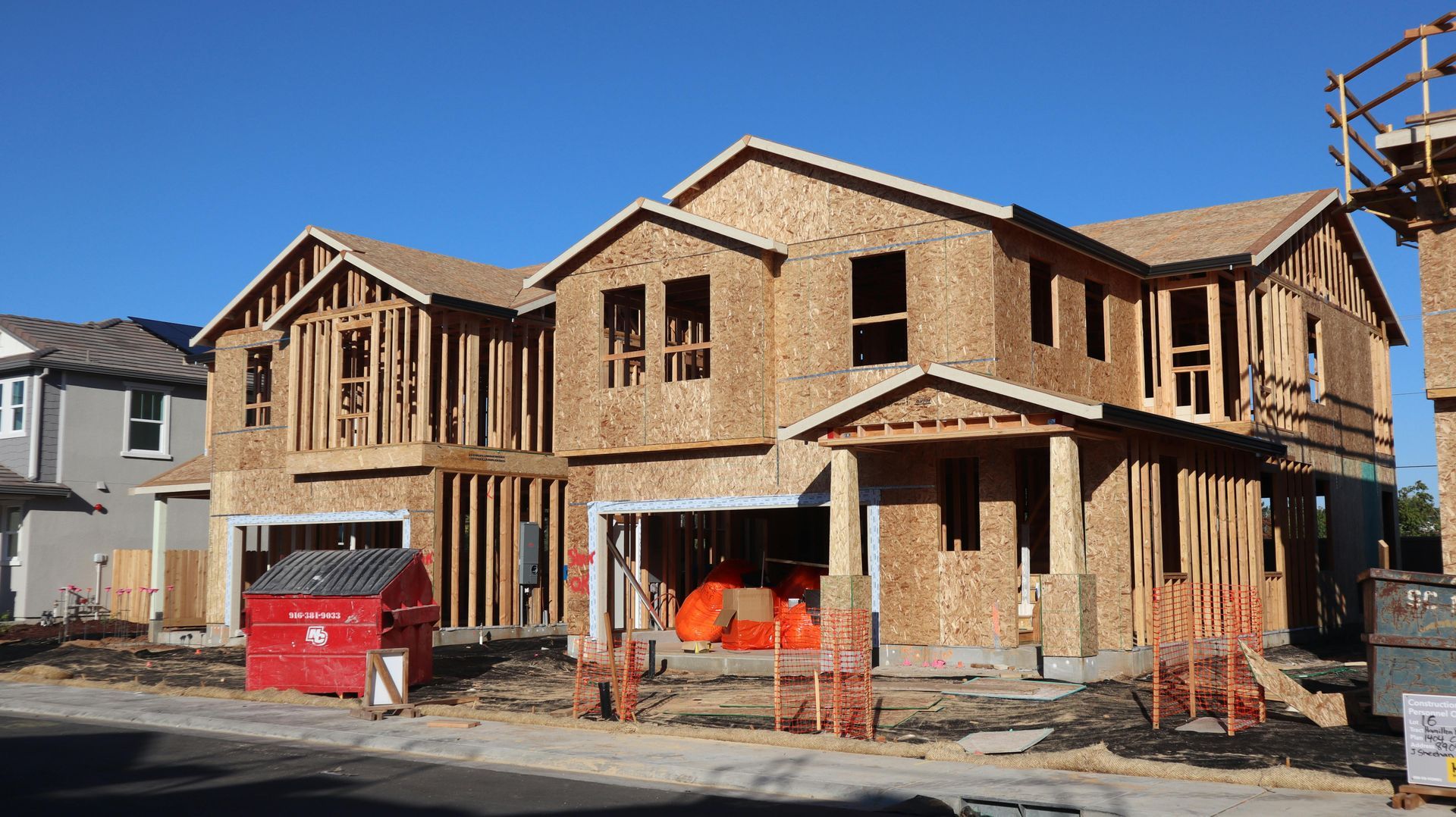
In-slab systems for new builds: heating cables are fixed within the concrete slab before it's poured, and tested before the pour locks them in place. The slab's thermal mass stores warmth and releases it gradually. In-slab systems take around 4 to 6 hours to reach full temperature, but can hold warmth for up to 24 hours after switching off. You can see how this played out in one Box Hill new build.
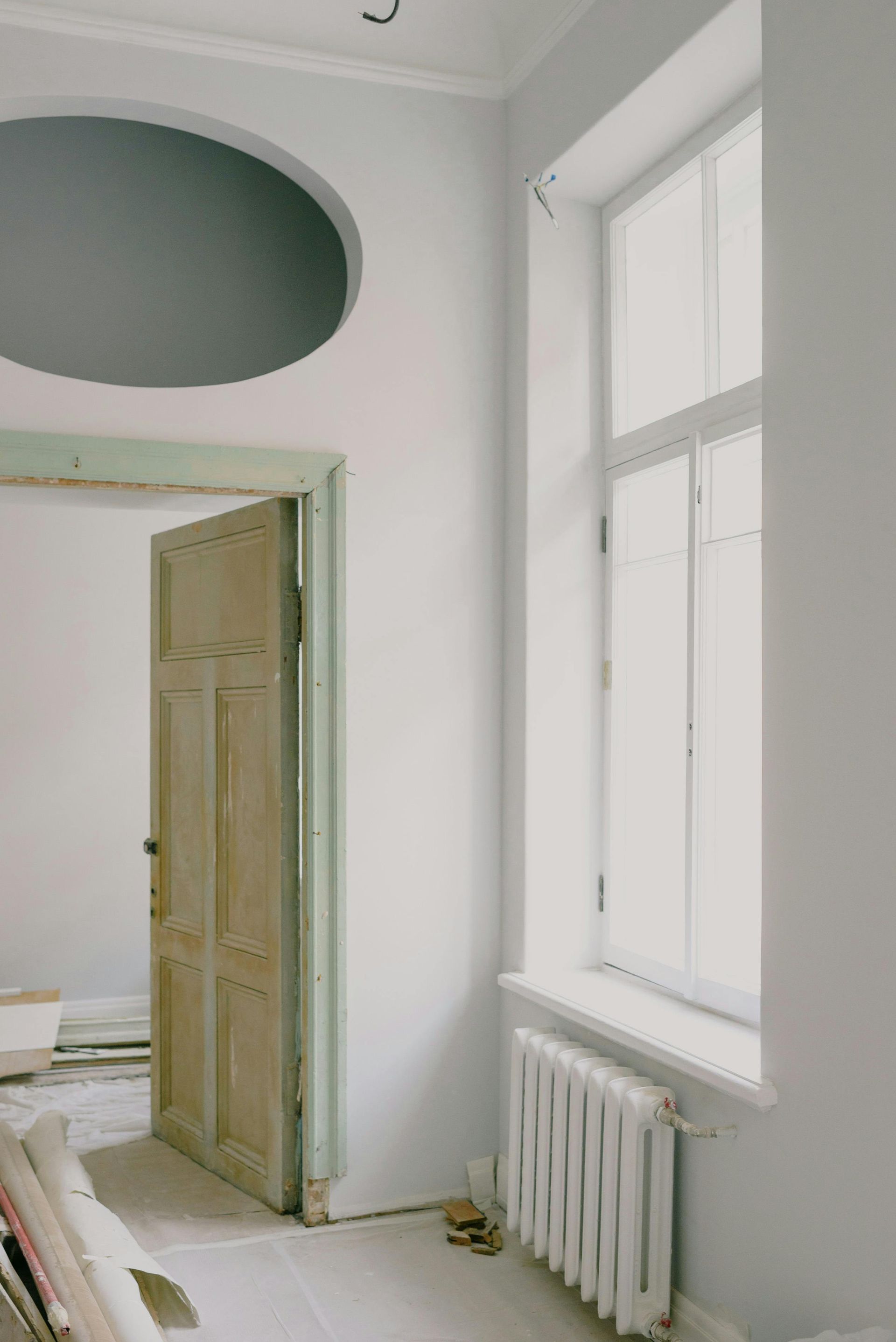
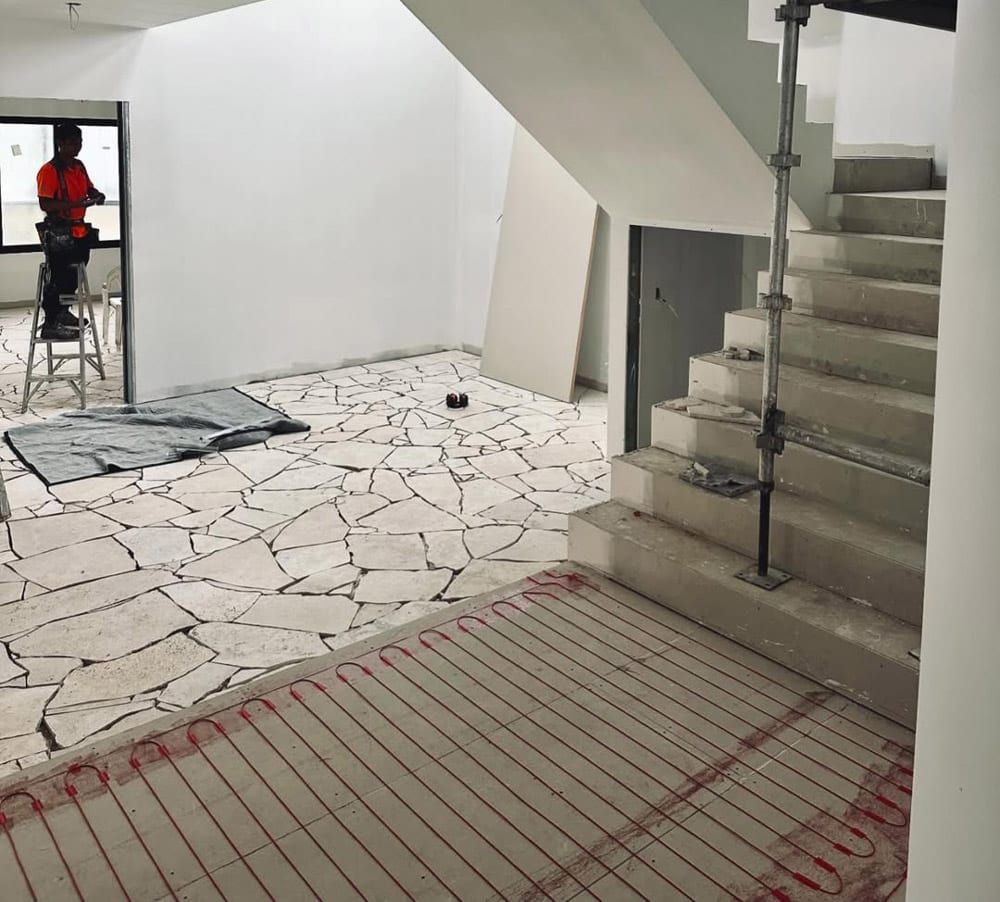
On-slab 3mm cables for renovations: our on-slab cables are installed on top of an existing slab or subfloor, then covered with screed, tile adhesive or underlay and your final floor finish. They don't change floor heights or door clearances, which makes them ideal when you're replacing the living room floor. Our guide to how on-slab heating works covers this in more detail.
Both approaches can be zoned room by room, so the living room runs independently of the bedrooms and bathroom. With over 30 years' experience, we help homeowners and builders choose the layout that suits their plans.
Flooring Options in a Heated Living Room
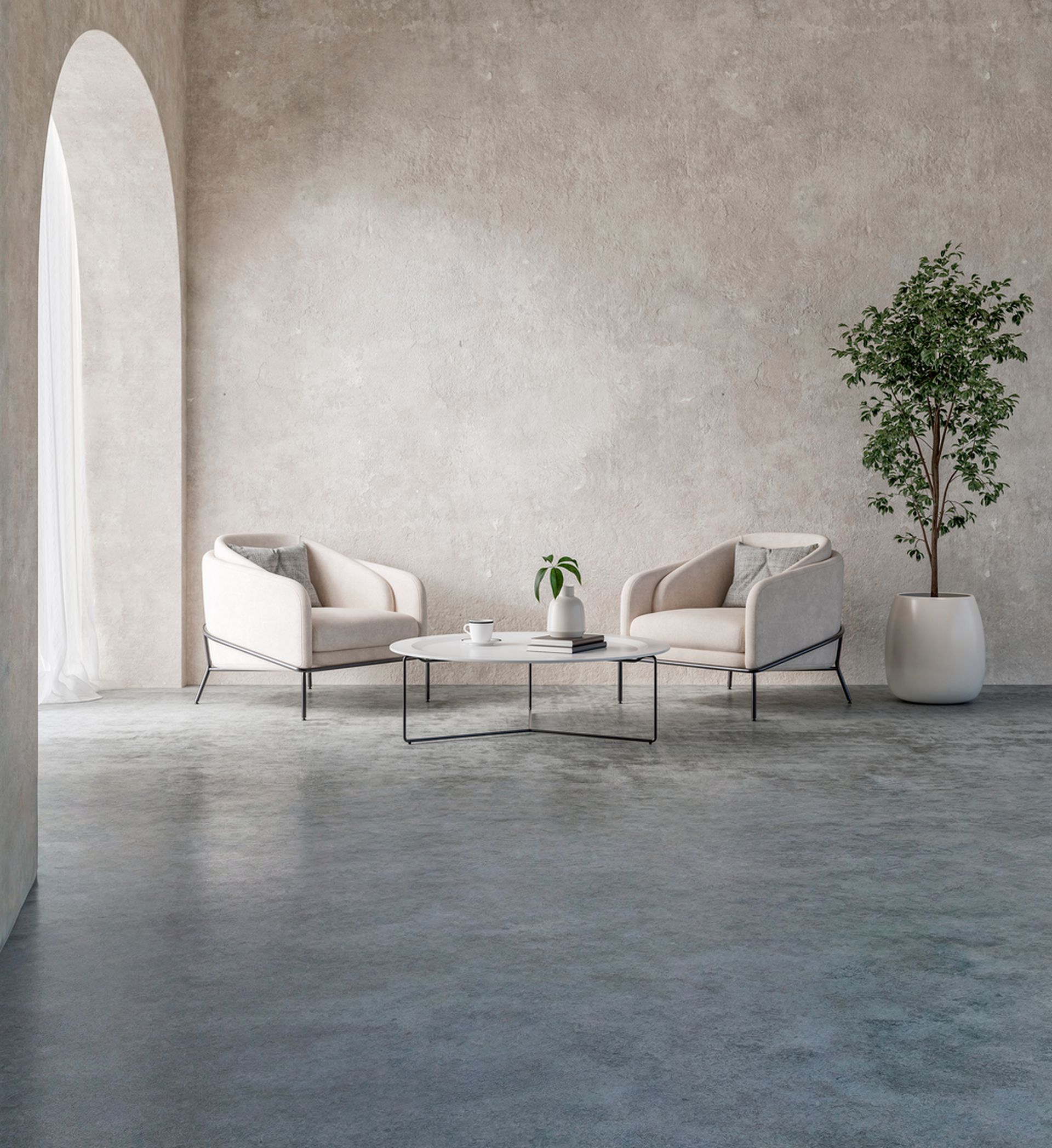
Underfloor heating works under most living room floor finishes, including tiles, stone, timber, laminate and carpet. The floor covering affects how efficiently heat reaches the room, so Livella Underfloor Heating factors it into every design.
- Tiles and stone: the most efficient heat transfer, making them an excellent match for open-plan kitchen and living areas.
- Engineered timber and laminate: work well provided the flooring manufacturer approves use with underfloor heating, and the maximum temperature limits are followed.
- Carpet: can be gently warmed, but the carpet and underlay insulate the floor, so heat output has to be allowed for in the design.
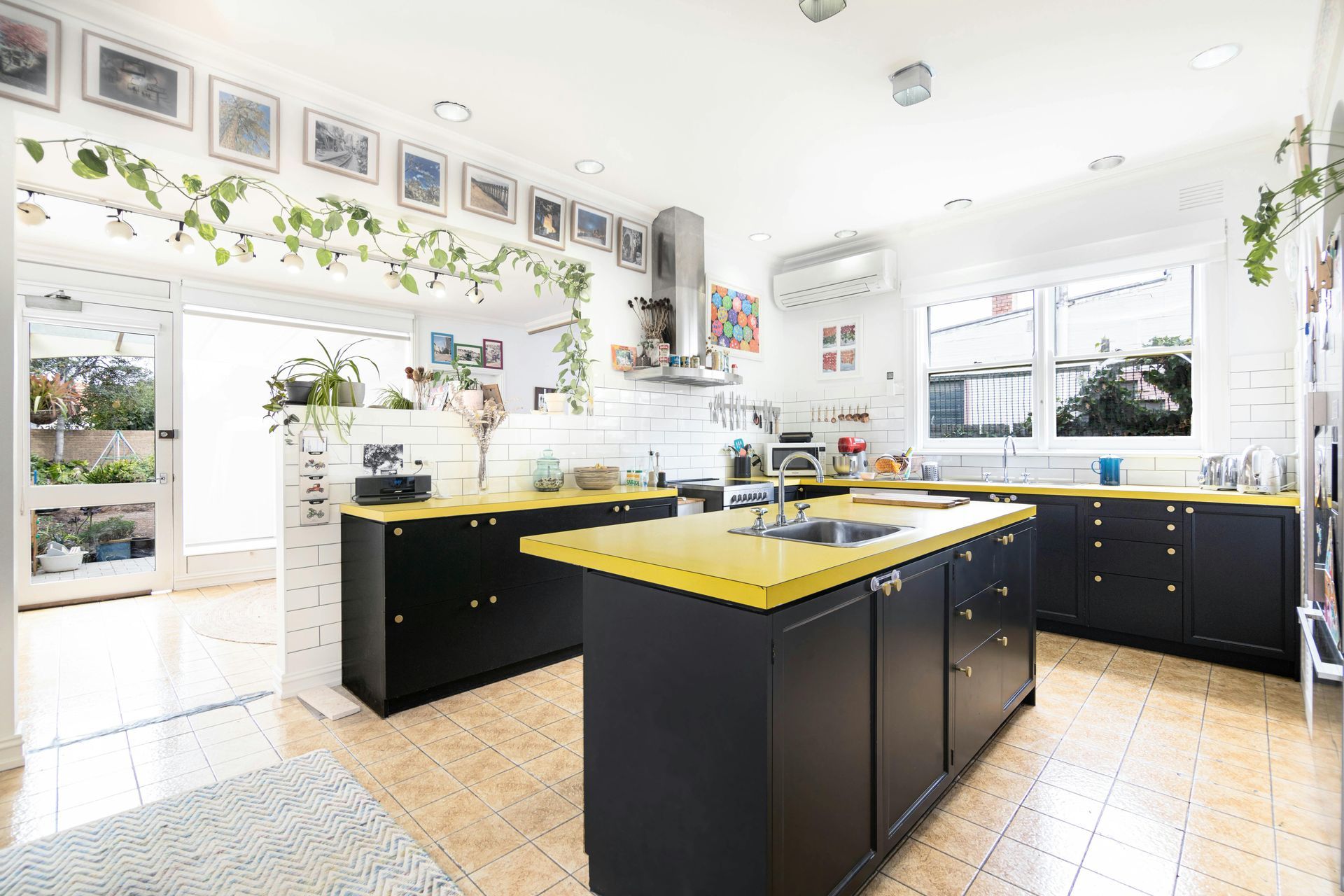
Modern living areas often mix finishes, with tiles in the kitchen, timber in the lounge and carpet in a snug. We can design each area separately so every finish is protected and every zone is comfortable. Always check your flooring supplier's guidance on maximum floor temperatures.
Comfort, Energy Efficiency and Indoor Air Quality
Underfloor heating improves comfort because it warms the surfaces around you, not just the air. The floor you walk on, the area under the couch and the spot where the kids play all stay warm, so the room feels comfortable at a lower air temperature.
That's also where the efficiency comes from. Livella Underfloor Heating systems heat rooms directly from the floor, with no heat lost through ducts or pipes. Smart scheduling means you only heat the room when you use it, and in-slab systems can make use of cheaper off-peak power. Our systems also pair well with rooftop solar.
For indoor air quality, there are no fans blowing dust, pet dander and allergens around the room, which makes a real difference for families who spend long winter evenings in their living areas.
Zoned Control and Smart Thermostats in the Living Room
Zoned control lets you heat the living room on its own schedule, without running heating across the whole house. With Livella Underfloor Heating, each zone has its own thermostat, so you only pay to heat the spaces you're using.
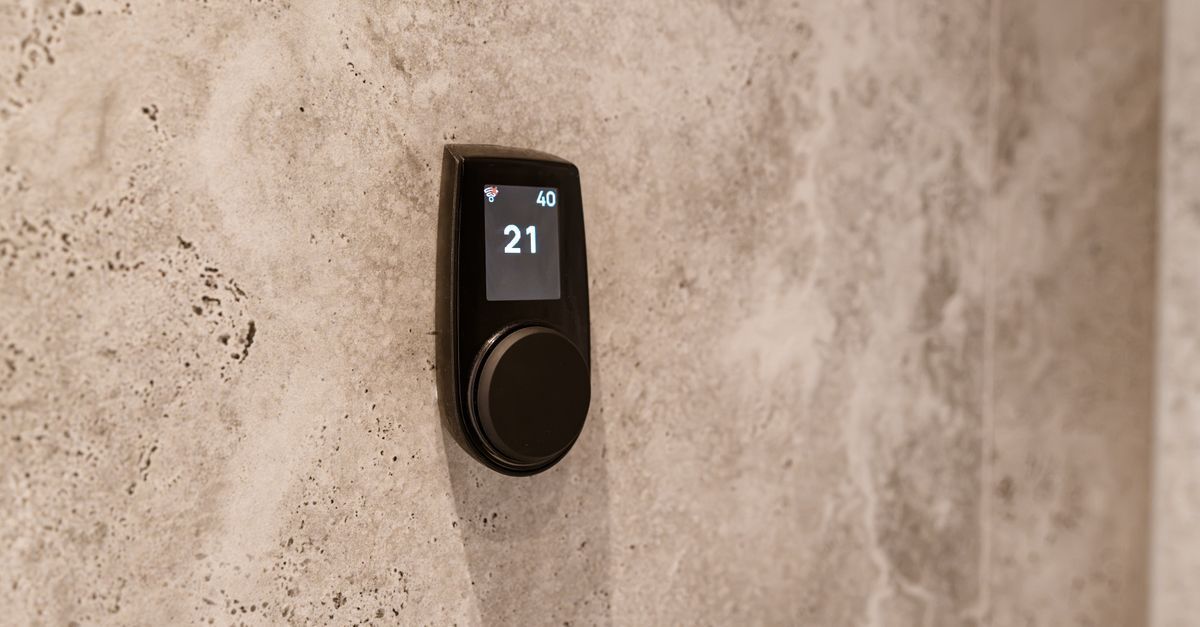
Programmable thermostats let you set daily schedules: warmer in the evening when the family gathers, lower overnight, then a gentle pre-heat before breakfast. You can set different routines for weekdays and weekends, and temporarily override a schedule without losing it.
The Wi-Fi version of our thermostat lets you adjust the living room temperature from your phone, whether you're on the couch or still at work. Our underfloor heating thermostat page has the full feature list.
Planning Your Living Room Floor Heating Layout
A good living room heating layout is planned before the floor goes down. Getting it right early saves time, money and rework.
- Run cables under main seating areas, walkways and children's play areas.
- Keep cables clear of built-in joinery, fireplaces and fixed media units, where heat would be trapped.
- In open-plan spaces combining lounge, dining and kitchen, set up separate zones for each area's use.
Livella Underfloor Heating creates a custom cable layout for every space, including L-shaped rooms, bay windows and alcoves, with heat output calculations and a written design plan included at no extra cost. A clear floor plan speeds up the quote considerably.
Installation: What to Expect During a Living Room Project
Living room underfloor heating is installed before the final floor finish and connected by a licensed electrician. Livella Underfloor Heating works with a network of 100+ licensed electricians and coordinates with your tiler or flooring contractor to keep the renovation on track.
On-slab renovation (typical steps):
- Remove the existing floor and prepare the slab so it's clean and level.
- Install insulation where specified.
- Fix the 3mm cables and place the floor sensor.
- Test the system.
- Cover with screed, levelling compound or adhesive.
- Lay the final floor covering and allow curing time.
- Your licensed electrician connects the thermostat and power supply.
In-slab new build: cables are fixed within the slab before the pour, the concrete is poured and cured, the floor finish goes down, and the electrician connects the thermostat.
Once installed, our cables are designed to last 25 years or more, with no moving parts and nothing to service. At handover, we walk you through your thermostat settings and scheduling.
Electric Underfloor Heating vs Other Heating Systems in Living Areas
Electric underfloor heating is the quietest and least visible way to heat a living room. Here's how it compares with the systems most Australian homes use:
- Noise: underfloor heating is silent. Split and ducted systems have fan noise.
- Visible hardware: underfloor heating is hidden under the floor. Split systems, ducted vents and radiators all take up wall or ceiling space.
- Heat distribution: underfloor heating warms evenly from the ground up. Air-based systems create hot and cold spots and draughts.
- Dust: underfloor heating doesn't blow air around. Fan-driven systems do.
- Maintenance: our electric cables need no servicing. Ducted and hydronic systems need regular maintenance.
Running costs depend on insulation, room size, how you use the room and your electricity tariff, but zoning and scheduling help keep them down. Livella Underfloor Heating can talk you through what to expect for your home when we prepare your quote.
Design Tips for Comfortable, Efficient Heated Living Rooms
A few design decisions make a heated living room more comfortable and efficient. Here's what Livella Underfloor Heating recommends:
- Insulation and glazing: good insulation always improves performance, though extra insulation isn't strictly necessary for underfloor heating to work.
- Rugs: thin rugs are fine, but very thick rugs slow heat transfer in key seating areas.
- Furniture placement: avoid covering large heated areas completely, and leave a small gap under heavy furniture.
- Daily routines: pre-warm the room with a programmable schedule. In-slab systems can run on off-peak power, and rooftop solar pairs well with electric floor heating.
- Think long term: underfloor heating adds long-term value to your home, so plan it carefully once and enjoy it for decades.
Why Homeowners Choose Livella for Living Room Floor Heating
Living rooms are long-term spaces. You won't be replacing the floor every few years, so reliability and support matter as much as comfort. Livella Underfloor Heating is a family-owned electric underfloor heating specialist with over 30 years' experience and more than 18,000 installations completed, working with homeowners and builders across Sydney, Melbourne and Canberra.
We offer personalised design, honest advice on the right system for your living spaces and support for both new builds and existing homes. With no moving parts and no ongoing servicing, our floor heating is low-maintenance for busy families. Whether you're heating a compact lounge or a large open-plan area, the approach is the same: understand your space, design a system that fits, and install it right the first time.
Ready to get started? Call 1800 833 933 for a free, no-obligation quote.
Frequently Asked Questions
How long does it take for an electric heated floor to warm up in a living room?
Warm-up time depends on the floor build-up. On-slab cables close to the floor surface under tiles or stone respond faster than in-slab systems, which take around 4 to 6 hours to reach full temperature but hold warmth for up to 24 hours. A programmable schedule means the room is warm exactly when you need it.
Can I install underfloor heating just in the living room, not the whole house?
Yes. It's common to heat just the living room, kitchen and bathroom. Each heated room has its own thermostat and schedule, so you only heat the spaces you actually use.
Will underfloor heating raise the floor level in my existing lounge?
Our on-slab 3mm cables are designed for renovations and don't change floor heights or door clearances. Talk to your builder or tiler early so transitions between the living room, hallway and adjoining rooms are neat and safe.
Is underfloor heating safe under furniture, TVs and rugs in the living room?
Yes, provided installation guidelines and thermostat limits are followed. Avoid covering large heated areas with thick, full-coverage items like dense beanbags or storage boxes, which trap heat. We design the layout to avoid fixed cabinetry, fireplaces and media units.
Can I retrofit electric underfloor heating if I'm only changing the living room flooring?
Yes. Many homeowners add on-slab heating when they retile or replace the floor in an existing living room. Contact Livella Underfloor Heating early in your renovation for a tailored heating design and a free quote on 1800 833 933.