
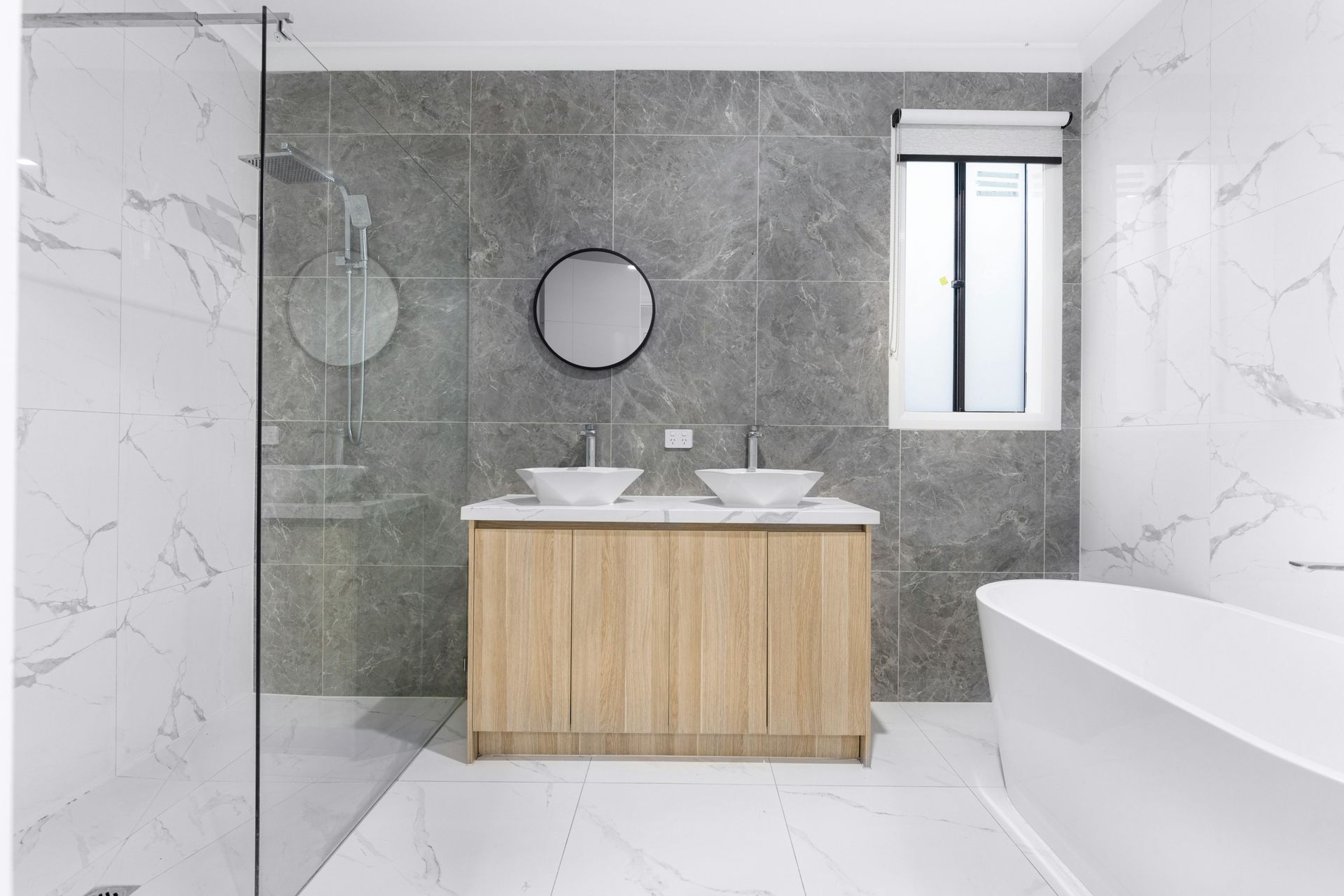
Underfloor Heating Under Laminate, Vinyl and Carpet: A Guide

Livella Underfloor Heating • October 13, 2026

Can you put underfloor heating under laminate? It's one of the questions we hear most often at Livella Underfloor Heating, and the short answer is yes. It works well, as long as you choose a laminate approved for heated floors, pair it with the right underlay, and design the system around the flooring manufacturer's limits. This guide explains how heat moves through a laminate floor, how vinyl and carpet compare, and what to watch for on installation day and beyond, whether you're renovating in Sydney, Melbourne or Canberra.

Key Takeaways

  • Electric underfloor heating can be used under laminate when the laminate is approved for underfloor heating and the system is installed and controlled correctly.
  • Every laminate product approved for heated floors states a maximum floor surface temperature. Our system designs always respect that limit, using a thermostat with a floor sensor.
  • Tiles, stone and concrete give the most efficient heat transfer, but laminate is a good choice where you want to balance comfort, cost and appearance.
  • The right underlay, careful installation and proper thermostat settings make the difference.

How Underfloor Heating Works Under Laminate Flooring

Underfloor heating under laminate works by warming the subfloor first, with the heat then passing up through the laminate boards into the room. Electric heating cables sit on or within the subfloor, and the laminate acts as a cap over the top. The result is gentle, even warmth that rises from your feet up, instead of hot air blowing from a unit on the wall.

With no radiators, wall units or ducting, you get clean walls and complete freedom with furniture placement, which is why heated laminate is popular in open-plan renovations from Kirribilli to South Yarra.

At Livella Underfloor Heating, we have over 30 years' experience designing electric systems for every common floor finish. Each design accounts for the floor covering, and we specify maximum temperature limits to protect it. Here's how the main floor types compare:

  • Tiles and stone: the most efficient heat transfer, warm up quickly and hold heat well.
  • Polished concrete: very efficient, with a lot of thermal mass.
  • Laminate: moderate heat transfer and slower to warm, but still very comfortable when designed correctly. Needs temperature limits.
  • Engineered timber: moderate heat transfer. Needs a product approved by the manufacturer.
  • Carpet: can be gently warmed, but it insulates the floor and reduces heat output.

Laminate boards are made from wood fibres and resins, which makes them more sensitive to heat and moisture than tile or stone. That's why the flooring manufacturer's guidelines must always be followed. For timber specifically, our underfloor heating page covers how we handle engineered and solid timber floors.

Electric underfloor heating suits single rooms and targeted comfort upgrades in bathrooms, studies and bedrooms, as well as larger living spaces in well-insulated homes. Livella Underfloor Heating specialises in electric systems, which suit most Australian renovations because there's no pipework, boiler or plant room involved.

Choosing Laminate, Underlay and System Design

Successful underfloor heating under laminate comes down to three decisions: a compatible laminate, the right underlay and a well-designed system. Get these right and the floor will perform well for years.

Picking the Right Laminate

Not every laminate sold in Australia is approved for underfloor heating. Some budget products aren't stable enough for daily heating and cooling cycles. Before you buy, check the product's technical data sheet and installation guide for:

  • Explicit approval for use with electric underfloor heating
  • A stated maximum floor surface temperature
  • Any limits on heating type, heat output or underlay

If the data sheet doesn't mention underfloor heating, treat the product as not approved. Ask your flooring retailer for written confirmation before you commit.

Choosing the Right Underlay

Laminate over underfloor heating needs an underlay designed for heated floors. Thick foam or acoustic underlays, often sold for apartment sound ratings, act like a blanket over the heating. They stop warmth reaching the room and make the system work harder.

  • Choose an underlay with low thermal resistance that's explicitly rated for underfloor heating.
  • Over concrete slabs, make sure there's suitable moisture protection, because a damp slab can damage laminate.
  • Check the laminate manufacturer's limit for the combined thermal resistance of board and underlay.

System Design

At Livella Underfloor Heating, we factor the laminate and underlay into every system design, adjusting cable spacing, heat output and thermostat limits to protect the floor. Every system uses a thermostat with a floor sensor that measures the actual floor temperature, so the surface stays under the laminate's stated limit.

Here's how laminate sits alongside other floor finishes we design for:

  • Tiles and stone: maximum efficiency, ideal for bathrooms and kitchens.
  • Hybrid flooring: a popular option that sits between laminate and tile in performance.
  • Vinyl: good heat transfer when the product is approved and installed correctly.
  • Engineered timber: a natural look, but the product must be approved by the manufacturer.
  • Carpet: can be gently warmed, but the carpet and underlay add thermal resistance that must be allowed for.

We always recommend discussing your flooring with both your supplier and our team before committing. Have the laminate brand and product name handy when you call us on 1800 833 933, and we'll match the heating layout and controls to that exact product. If you're still weighing up systems, our guide on how to choose the right underfloor heating for your space is a good place to start.

Installation, Operation and Care for Laminate Over Electric Underfloor Heating

Laminate over electric underfloor heating performs best when the subfloor is properly prepared, the heating is commissioned gradually and the floor is used sensibly day to day. Even the best products can fail if the installation is rushed.

Subfloor Preparation

  • Moisture testing: concrete slabs must be tested, and a suitable moisture barrier installed.
  • Flatness: the surface must be flat and clean. Uneven spots create pressure points and uneven heating.
  • Compatibility: any waterproofing or levelling compound must be compatible with the heating cables.

Installation Layering

A typical build-up, from bottom to top:

  1. Slab or subfloor
  2. Insulation (where required)
  3. Electric heating cables
  4. Thin self-levelling screed, if needed to protect the cables and even out heat
  5. Underlay approved for heated floors
  6. Laminate boards

Laminate is usually installed as a floating floor, with boards clicked together rather than glued or nailed. Never drive nails or screws into a heated zone. Leave expansion gaps around the room edges as the laminate manufacturer specifies, so the boards can move as they warm and cool.

Acclimatisation

Laminate packs should sit in the room before installation, for the period the manufacturer recommends, so the boards settle to normal indoor conditions. Skipping this step is a common cause of early movement or gapping.

Commissioning the Heating

  1. Wait the curing period recommended for any adhesive or levelling compound.
  2. Bring the thermostat up gradually over several days, following the flooring manufacturer's guidance.
  3. Never jump straight to the maximum setting. Sudden temperature changes can cause gaps or buckling.

The thermostat's maximum floor temperature must be set to the laminate manufacturer's limit. At Livella Underfloor Heating, a floor sensor is part of every system.

Everyday Use Tips

  • Avoid thick rugs, mattresses or rubber-backed mats over large heated areas. They trap heat and can cause localised overheating.
  • Leave some space under and around heavy furniture so heat can reach the room.
  • Keep large heated areas reasonably clear so the system works as designed.

Safety, Warranties and Maintenance

Installation should always be carried out by a licensed electrician and a flooring installer familiar with heated floors. Incorrect work can void both flooring and heating warranties. Our network of 100+ licensed electricians knows our systems well.

  • Clean the floor using methods the laminate manufacturer approves, and avoid standing water.
  • Before each winter, check that your thermostat's maximum temperature setting is still correct.
  • If you notice visible gapping or uneven warmth, get in touch with your installer or our team for a system check.

Done properly, laminate over underfloor heating gives you consistent comfort, quiet operation and a floor that feels warm underfoot. Homeowners in Sydney, Melbourne and Canberra can contact us for system design, installation coordination and a free quote.

Frequently Asked Questions

These questions cover the finer details. If your situation isn't covered here, give us a call for advice on your room sizes, floor build-up and renovation timeline.

Can I use underfloor heating under any laminate flooring I find at a hardware store?

No. Only laminate approved for underfloor heating should be used. Read the technical data sheet and installation instructions, not just the marketing on the box, and ask the retailer for written confirmation that the product is compatible with electric underfloor heating.

What happens if the floor temperature goes above the laminate manufacturer's limit?

Exceeding the stated surface temperature can cause cupping, warping, gaps at the joints and damage to the surface finish. Our systems use a thermostat and floor sensor to prevent this, as long as the controls aren't bypassed. If you suspect overheating, lower the thermostat, remove thick rugs from the heated area and contact your installer or our team.

Is laminate over underfloor heating warm enough to use as the only heating in a room?

In many well-insulated homes, electric underfloor heating under laminate can be the main heat source for bedrooms, studies and some living areas. It depends on room size, insulation, window area and climate. A well-insulated study in inner Melbourne behaves differently to a large, single-glazed living room in Canberra, so we recommend a room-by-room design and quote.

Can I combine laminate flooring with other heated floor finishes in the same home?

Yes. Many homes use tiles or stone in bathrooms and kitchens and laminate in living areas and bedrooms. We can design separate zones for each floor finish, adjusting heat output and temperature limits room by room, whether you're renovating or building new.

Do I need insulation under the heating system when using laminate?

It depends on what's below the floor. Good insulation always improves performance, but extra insulation isn't strictly necessary for underfloor heating to work. A ground-floor slab, an upper-storey timber floor and a floor over an unheated garage all behave differently. Share your full floor build-up with Livella Underfloor Heating and we'll recommend the right approach, or call 1800 833 933 for a free, no-obligation quote.

Recent Posts

By Livella Underfloor Heating • October 13, 2026
Bathroom underfloor heating explained: how electric systems work under tiles and showers, with planning tips for Sydney, Melbourne and Canberra renovators.
By Livella Underfloor Heating • October 13, 2026
How underfloor heating works in the living room, kitchen and bedroom, with zoning, flooring and layout tips for homes in Sydney, Melbourne and Canberra.
By Livella Underfloor Heating • October 13, 2026
Underfloor heating not working? Step-by-step checks for thermostats, sensors and safety switches, and when to call an electrician. Sydney, Melbourne, Canberra.
By Livella Underfloor Heating • October 13, 2026
Underfloor heating with polished concrete: how in-slab and on-slab systems work and what to plan before the pour, for Sydney, Melbourne and Canberra homes.
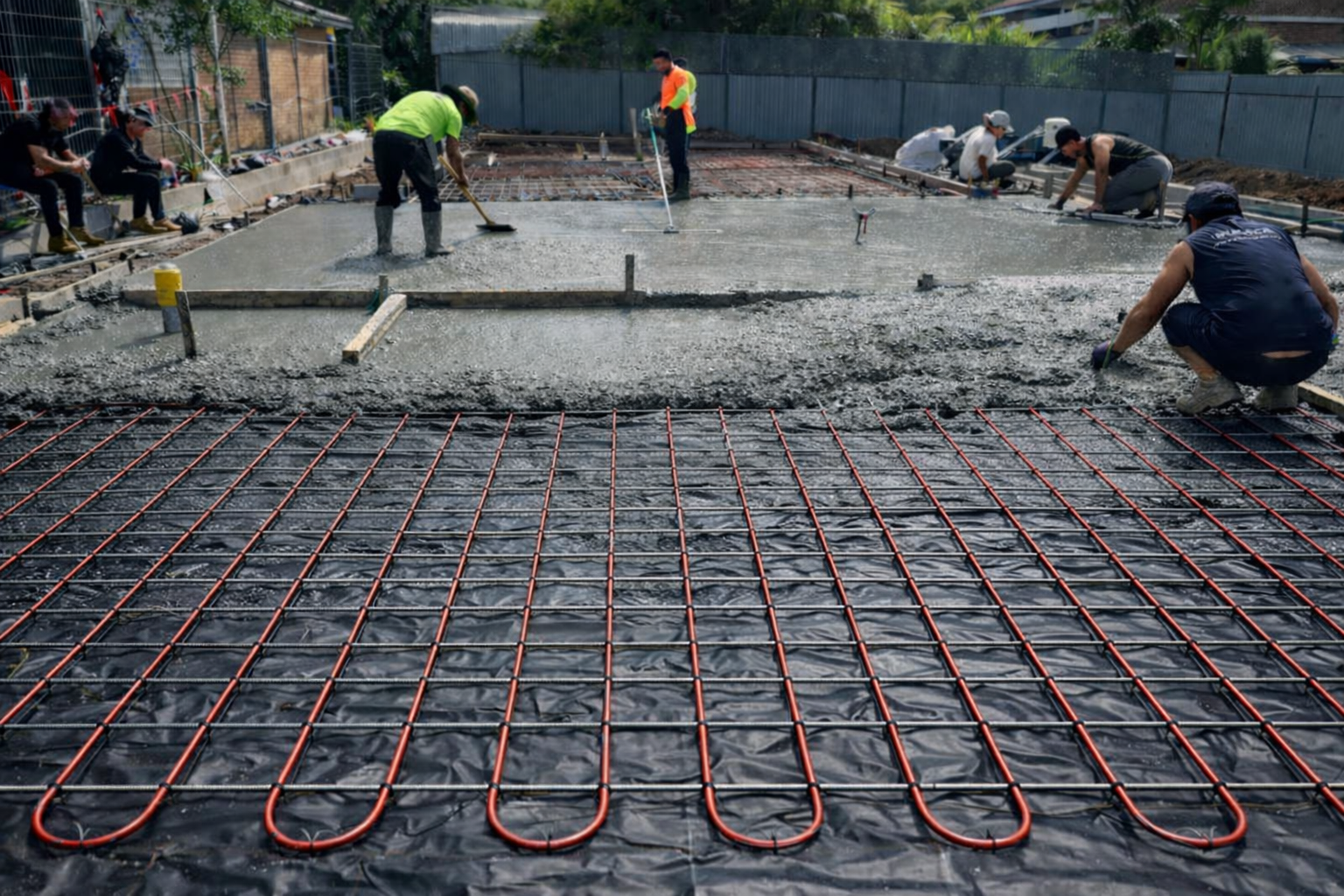
Construction workers pouring concrete over red underfloor heating pipes on a foundation slab
By Livella Underfloor Heating • May 11, 2026
Discover how a Brighton homeowner found Livella Underfloor Heating for in slab underfloor heating in Melbourne during a new build. Real story, real results.
Modern bathroom with double vanity, glass shower, white marble walls, and freestanding tub
By Livella Underfloor Heating • May 11, 2026
Tom in Northcote needed underfloor heating installed before the tiler arrived. Livella coordinated everything and delivered on time. Read his renovation story.
Bright white room with open wooden door, tall window, radiator, and oval ceiling opening.
By Livella Underfloor Heating • May 11, 2026
Sarah from Brighton shares how Livella Underfloor Heating transformed her cold tiled home. Find out why underfloor heating Melbourne is worth every cent.
Two-story house under construction with exposed wood framing, red dumpster, and orange barriers under a blue sky
By Livella Underfloor Heating • May 11, 2026
Marcus from Toorak shares how Livella Underfloor Heating helped spec the perfect hydronic system for his new Melbourne home build. Read his full story.
Bright kitchen with black cabinets, yellow countertops, white tile floor, and many windows and plants
By Livella Underfloor Heating • May 11, 2026
Renata from South Yarra stopped comparing and chose Livella Underfloor Heating. Find out why their honest advice made the decision easy for her renovation.
Stairwell interior with unfinished tiled floor, glass railing, and a worker in red at left.
By Livella Underfloor Heating • May 11, 2026
Claire organised underfloor heating for her elderly parents' Balwyn home. Livella's patient, clear approach made the whole experience stress-free. Read more.

Show More