
Underfloor Heating Not Working? 10 Checks to Try First

Livella Underfloor Heating • October 13, 2026

Underfloor heating not working? Before you start worrying about lifting tiles, take a breath. At Livella Underfloor Heating, we have spent over 30 years working with electric floor heating, and most faults turn out to be a setting, a tripped switch or a thermostat issue rather than a broken cable. This guide walks Sydney, Melbourne and Canberra homeowners through the checks to do in order, and explains when to call a licensed electrician.

Key Takeaways


  • Electric underfloor heating usually stops working because of a power or control issue, not a failed cable. Start with the thermostat and the switchboard.
  • Most cases trace back to thermostat settings, a floor sensor fault or a tripped safety switch, none of which involve touching the floor.
  • Our electric heating cables have no moving parts and are designed to last 25 years or more. Thermostats typically last 10 to 15 years and can be replaced without disturbing the floor.
  • Any electrical work beyond checking thermostat settings and your switchboard must be done by a licensed electrician.

Introduction: Why Your Electric Underfloor Heating May Not Be Working

Electric underfloor heating stops working for a small number of reasons, and most can be narrowed down with a few simple checks. This guide focuses on electric systems, the type installed in bathrooms, ensuites and living areas across Sydney, Melbourne and Canberra. If you have a boiler, manifold or water pipes under your floor, you have a hydronic system and some sections won't apply (Step 8 explains the difference).

An electric system is straightforward. Power comes from your switchboard, passes through a thermostat on the wall and flows into heating cables embedded in the floor. A floor sensor tells the thermostat when the floor has reached the set temperature, and the thermostat switches off.

When something goes wrong, the usual symptoms are a floor that stays cold, a room that never feels comfortable, a cold patch in one area, or a system that switches off too quickly. Livella Underfloor Heating backs its heating elements with a 10-year product warranty, provided the warranty application is lodged within 30 days of installation, and we offer phone and email support.

Step 1: Quick Safety and Power Checks

The first check is whether your underfloor heating is getting power at all. These are the only electrical checks a homeowner should do:

  • Check your switchboard. Look for the circuit breaker and safety switch (RCD) for the underfloor heating or the room it's in. If either has tripped, reset it once.
  • Check any isolation switch. Some installations have a local isolation switch near the heated room, which is easy to knock off during cleaning.
  • Watch for repeat tripping. If the safety switch trips as soon as the thermostat calls for heat, that points to an electrical fault in the cable or wiring.
  • Stop there. Never remove covers, expose wiring or attempt electrical repairs yourself. If a breaker keeps tripping, switch the circuit off and call a licensed electrician.

Livella Underfloor Heating always puts safety first. If anything trips repeatedly, smells hot or looks damaged, leave it off until it's been checked.

Step 2: Is the Thermostat Actually Calling for Heat?

Many underfloor heating problems turn out to be thermostat settings rather than a hardware fault. A misconfigured thermostat can look exactly like a broken system.

Start with the display. A blank screen usually means no power is reaching the thermostat, so go back to Step 1. If it shows a temperature, check whether it's actually calling for heat. Most thermostats show an icon or the word "heating" when they are.

Switch to manual mode and raise the set temperature to check whether the system responds. Keep in mind that floor temperature and room temperature are measured differently, so a floor setting will usually read higher than the room feels. That's normal.

Common settings that mimic a breakdown:

  • Holiday mode left on, or a schedule set to an "off" period
  • The wrong sensor mode selected, for example air sensing instead of floor sensing
  • Child lock enabled, preventing changes
  • A floor temperature limit set too low, causing early shut-off

A faulty thermostat can stop the heating turning on, or stop it switching off. Thermostats typically last 10 to 15 years, and a replacement can be fitted on the wall without disturbing the floor. Contact Livella Underfloor Heating for compatibility advice if yours needs replacing.

Step 3: The Towel Test – Is Your Floor Heating Cable Working?

The towel test is a simple way to check whether the heating cable is producing warmth, even when the room still feels cool.

  1. Switch the thermostat to manual mode and raise the set temperature.
  2. Place a folded towel or bath mat over a heated area of floor.
  3. Leave it for a while so warmth can build up underneath.
  4. Lift the towel and feel the floor.

  • Warm under the towel: the cable is working. The problem is more likely heat loss or floor coverings (see Step 6).
  • Completely cold: suspect a deeper fault, such as cable damage, a faulty connection or the thermostat not switching. Move to Step 4.

If only part of the floor feels cold, repeat the test in two or three spots. A single cold patch in a warm floor suggests localised cable damage, while a uniformly cold floor points to a power or control issue. Livella Underfloor Heating can help you interpret the results over the phone.

Step 4: Understanding Thermostat Error Codes and What They Mean

Modern underfloor heating thermostats often display an error code rather than failing silently. Codes vary by brand, but they usually point to one of these:

  • An internal thermostat fault
  • An air or room sensor problem
  • A floor sensor that is disconnected or short-circuited
  • The thermostat overheating or switching too much load

Write down the exact code and check your thermostat manual. Floor sensor codes almost always point to a sensor or wiring issue, not a failed heating cable, and they can often be fixed by replacing the sensor or the thermostat.

Contact Livella Underfloor Heating with the thermostat brand, model and error code, and we'll talk you through the next steps. Our product manuals are also available on our resources page.

Step 5: Floor Temperature Sensors – Small Part, Big Job

The floor sensor is a small probe installed beneath your floor that measures the actual floor temperature, so the thermostat knows when to switch on and off. Some thermostats also have an air sensor built in. The floor sensor protects your floor finish from overheating, while the air sensor reads the room temperature.

Common floor sensor issues include:

  • Damage during tiling or levelling
  • A sensor installed outside the heated area
  • Loose connections behind the thermostat
  • Inaccurate readings that cut the heating off early

A licensed electrician can test the sensor against the manufacturer's specifications. If the sensor was installed in a conduit, a new one can often be fitted without lifting tiles. Livella Underfloor Heating can help homeowners and electricians choose compatible sensors and replacement thermostats.

Step 6: When the Floor Heats, But the Room Stays Cold (Heat Loss and Coverings)

A heating cable can work perfectly and the room can still feel cold. This is common in older or poorly insulated homes in Canberra, Melbourne and coastal NSW, and it's usually a building issue rather than an equipment fault.

Warmth from the floor can escape through uninsulated slabs, large single-glazed windows, gaps around doors and uninsulated walls or ceilings. Good insulation always improves underfloor heating performance, and without it the floor can take noticeably longer to warm up.

Floor coverings matter too. Thick rugs, heavy mats and pet beds act as insulation. If one sits over the floor sensor, the thermostat may read a higher temperature than the rest of the room and shut off early.

Try removing thick coverings from heated areas for a day or two and see whether the room becomes more comfortable. If you need a pet bed in a heated zone, a raised bed lets air circulate underneath. Livella Underfloor Heating can review your room and suggest practical fixes.

Step 7: Cold Patches and Possible Damage to the Heating Cable

Electric heating cables have no moving parts and are designed to last 25 years or more, but they can be damaged by later works such as drilling to fit a towel rail, nailing down a threshold or grinding tiles in a renovation.

Signs of a damaged cable include:

  • One clearly cold patch in an otherwise warm floor
  • The safety switch tripping only when the heating runs
  • A resistance reading outside the range recorded at installation

A licensed electrician can test the cable's resistance and insulation and compare the results with the values recorded at installation. Specialist equipment can often locate the exact point of a fault, so only a small area of floor needs to be opened.

Keep your floor plans, warranty paperwork, photos and installation test results. They help locate cable routes and support any warranty claim. Contact Livella Underfloor Heating for guidance before committing to any floor removal.

Step 8: Hydronic vs Electric Underfloor Heating – Why It Matters for Troubleshooting

Hydronic and electric underfloor heating fail in completely different ways, so it's important to know which one you have. Many online guides talk about manifolds, boiler pressure and bleeding air from pipes. Those steps only apply to hydronic systems, not electric floor heating.

  • Electric: heating cables connected to mains power through a wall thermostat. Common faults are thermostat settings, sensor faults, wiring and cable damage.
  • Hydronic: a boiler or heat pump pushing hot water through pipes via a manifold. Common faults are pump failure, stuck actuators, trapped air and low system pressure.

If you see a manifold with several pipe loops and a pressure gauge, you have a hydronic system, and faults should be handled by a licensed plumber or heating technician. If you're not sure which system you have, send Livella Underfloor Heating a photo of your controls and we'll point you in the right direction. Our guide to electric vs hydronic underfloor heating also explains how the two systems work.

Step 9: When to Call a Licensed Electrician (and What to Tell Them)

Any testing or repair involving wiring, the switchboard or the inside of a thermostat must be done by a licensed electrician. No exceptions.

Gather this information before you call:

  • Which room is heated and roughly when it was installed
  • The thermostat brand and model
  • Whether the fault is total failure, a cold patch or a thermostat issue
  • Any error codes on the display
  • When the problem started, for example after a renovation or a power outage

The electrician may test the heating cable's resistance and insulation, check the circuit load, confirm the thermostat is switching power when it calls for heat, and inspect the wiring behind the thermostat. Electricians and homeowners are welcome to contact Livella Underfloor Heating by phone or email for product guidance while they work through the checks.

Step 10: Making the Most of Your Warranty and Ongoing Support

A well-installed electric underfloor heating system needs no maintenance, but keeping your paperwork makes any future fault much easier to resolve.

  • Warranty: Livella Underfloor Heating elements carry a 10-year product warranty, and the warranty application must be lodged within 30 days of installation. Terms and conditions apply.
  • Keep safe: your invoice, floor plans, installation test results, thermostat details and warranty documents.
  • Avoid damage: don't drill, nail or grind into heated areas.

We offer phone and email support, plus free, no-obligation quotes if you're planning a thermostat upgrade, replacement or new heated zone. Whether your system is working perfectly and you just want advice, or you're dealing with a persistent fault, our team is here to help.

FAQ: Underfloor Heating Not Working

Can I still use my bathroom if the electric underfloor heating has stopped working?

Yes, as long as no safety switch or breaker is tripping and there's no burning smell or visible damage. The floor will simply be cold. If a safety device keeps tripping or you notice an unusual smell, switch the heating off at the switchboard and contact a licensed electrician.

Will turning the thermostat up to maximum damage my floor heating if it's not warming?

A short test at a higher setting is fine, but don't leave it on maximum for days. The floor sensor helps prevent overheating, but rugs and mats can trap heat and stress floor finishes. Return the thermostat to your normal settings once testing is done.

Do I have to rip up all my tiles if there is a fault in the heating cable?

Usually not. Specialist test equipment can often narrow down the location of a cable fault, so only a small section of tiles needs to be lifted. Photos or plans from the original installation help pinpoint the cable route.

Why does my underfloor heating take so long to warm up compared with when it was new?

Slower warm-up is usually caused by new rugs, mats or pet beds, or by changes to the room such as bigger windows or more draughts, rather than the cable ageing. Try running the system with coverings removed and check your thermostat schedule.

Who should I contact first: Livella or my electrician?

Call or email Livella Underfloor Heating first with the issue, your thermostat model and the approximate installation date. We can often tell whether it's a settings issue, a thermostat or sensor fault, or a likely cable or wiring problem. For anything involving electrical testing, we'll always direct you to a licensed electrician. Reach us on 1800 833 933.

Recent Posts

By Livella Underfloor Heating • October 13, 2026
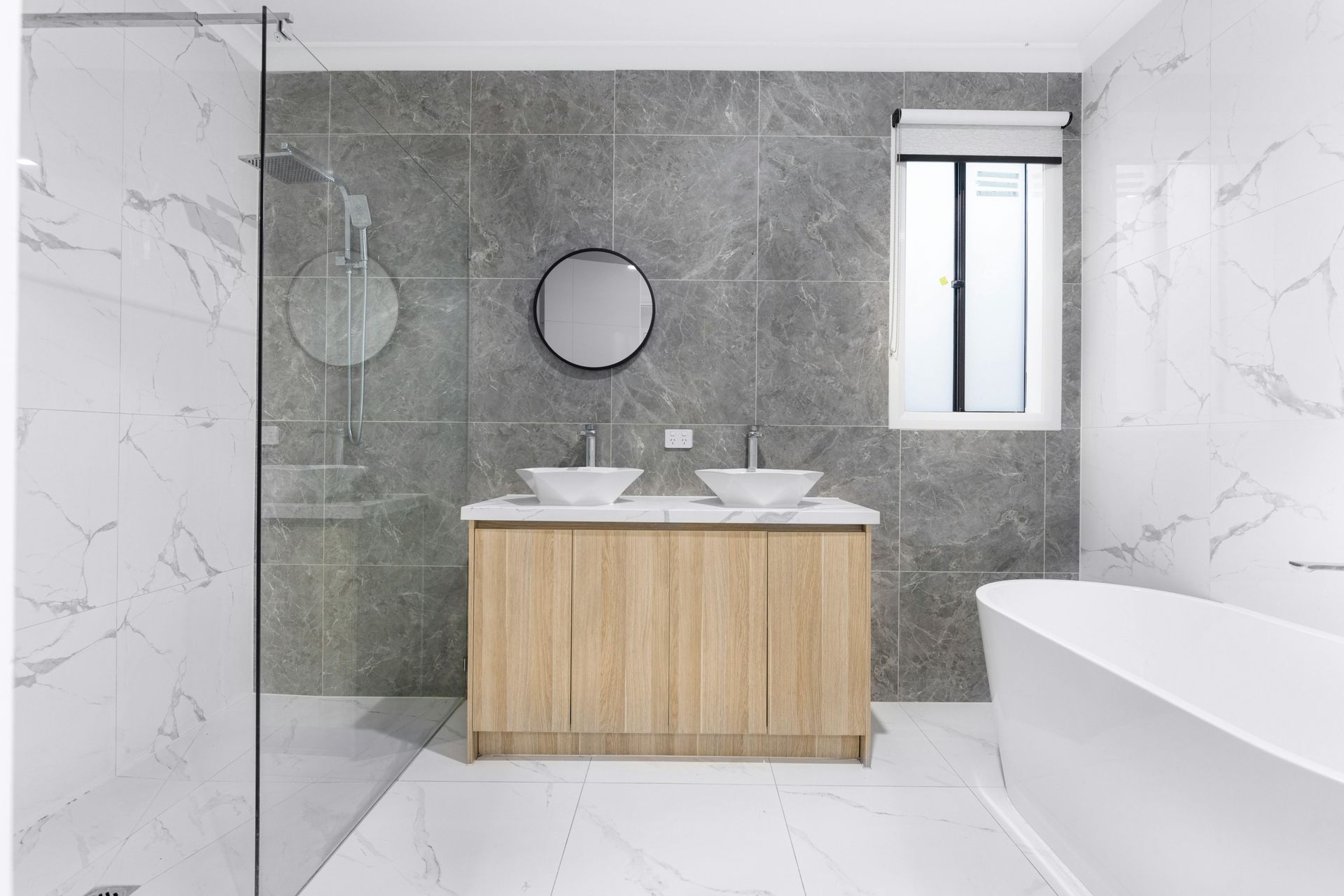
Bathroom underfloor heating explained: how electric systems work under tiles and showers, with planning tips for Sydney, Melbourne and Canberra renovators.
By Livella Underfloor Heating • October 13, 2026
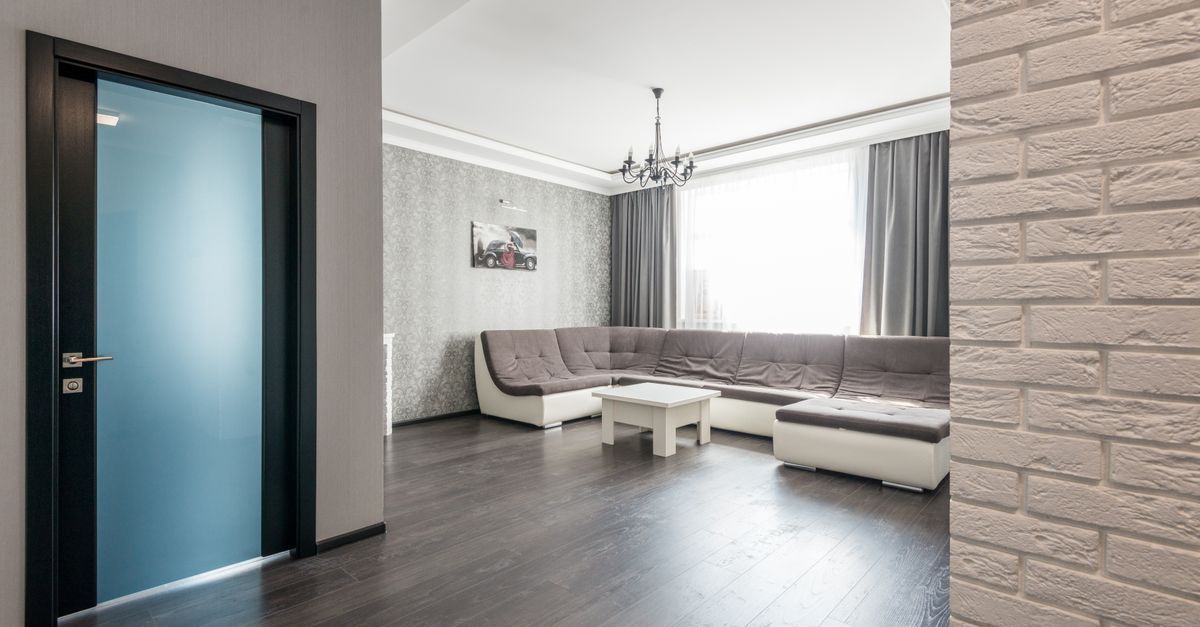
Can you put underfloor heating under laminate? Which laminate, underlay and settings work, plus vinyl and carpet tips for Sydney, Melbourne and Canberra homes.
By Livella Underfloor Heating • October 13, 2026
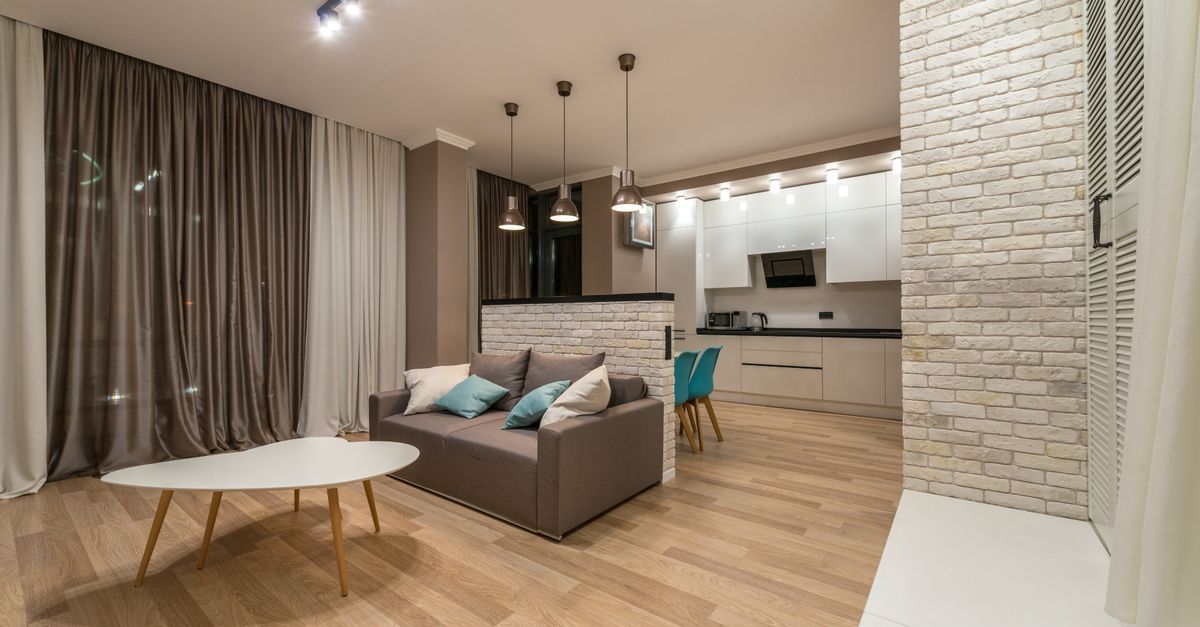
How underfloor heating works in the living room, kitchen and bedroom, with zoning, flooring and layout tips for homes in Sydney, Melbourne and Canberra.

By Livella Underfloor Heating • October 13, 2026
Underfloor heating with polished concrete: how in-slab and on-slab systems work and what to plan before the pour, for Sydney, Melbourne and Canberra homes.
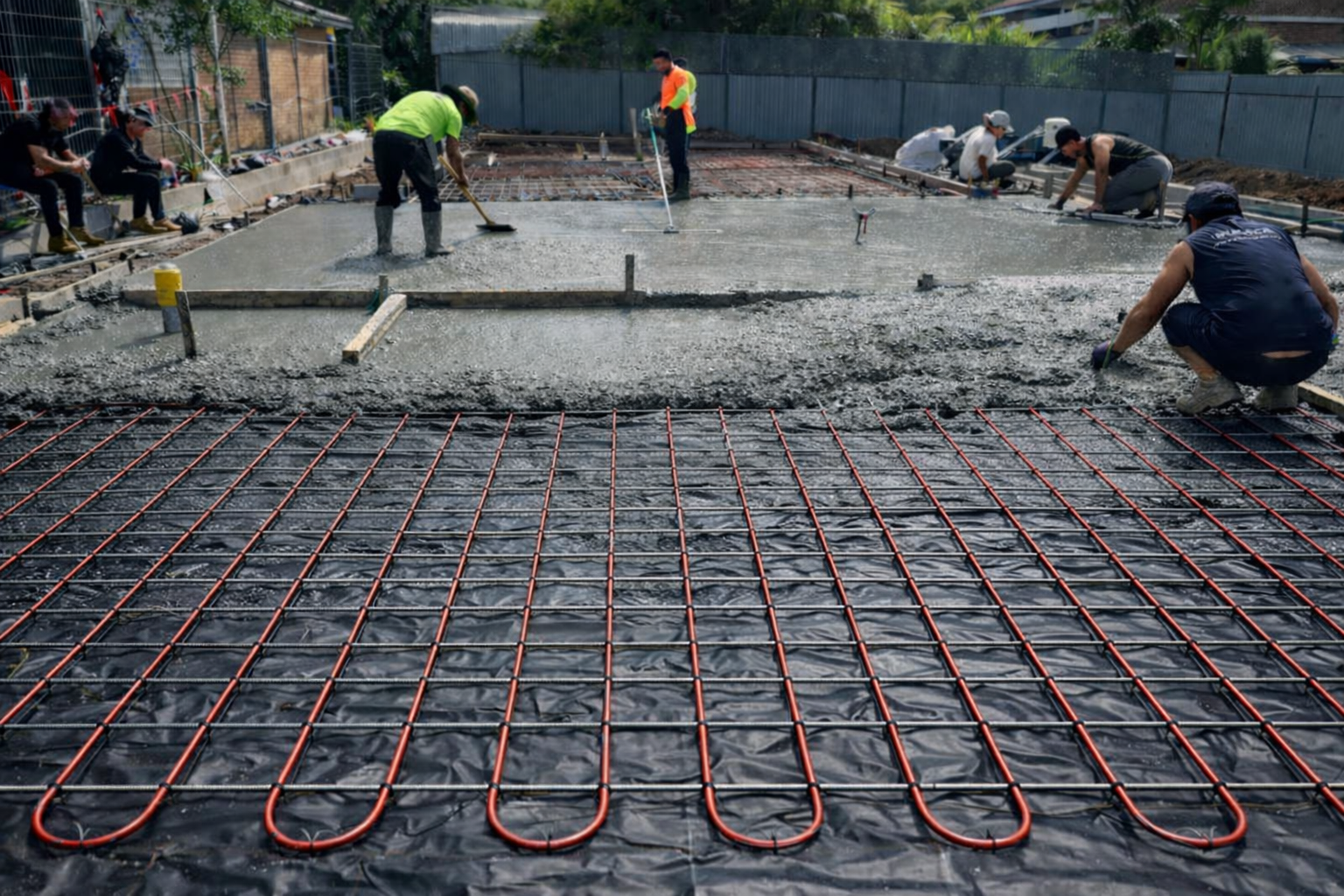
Construction workers pouring concrete over red underfloor heating pipes on a foundation slab
By Livella Underfloor Heating • May 11, 2026
Discover how a Brighton homeowner found Livella Underfloor Heating for in slab underfloor heating in Melbourne during a new build. Real story, real results.
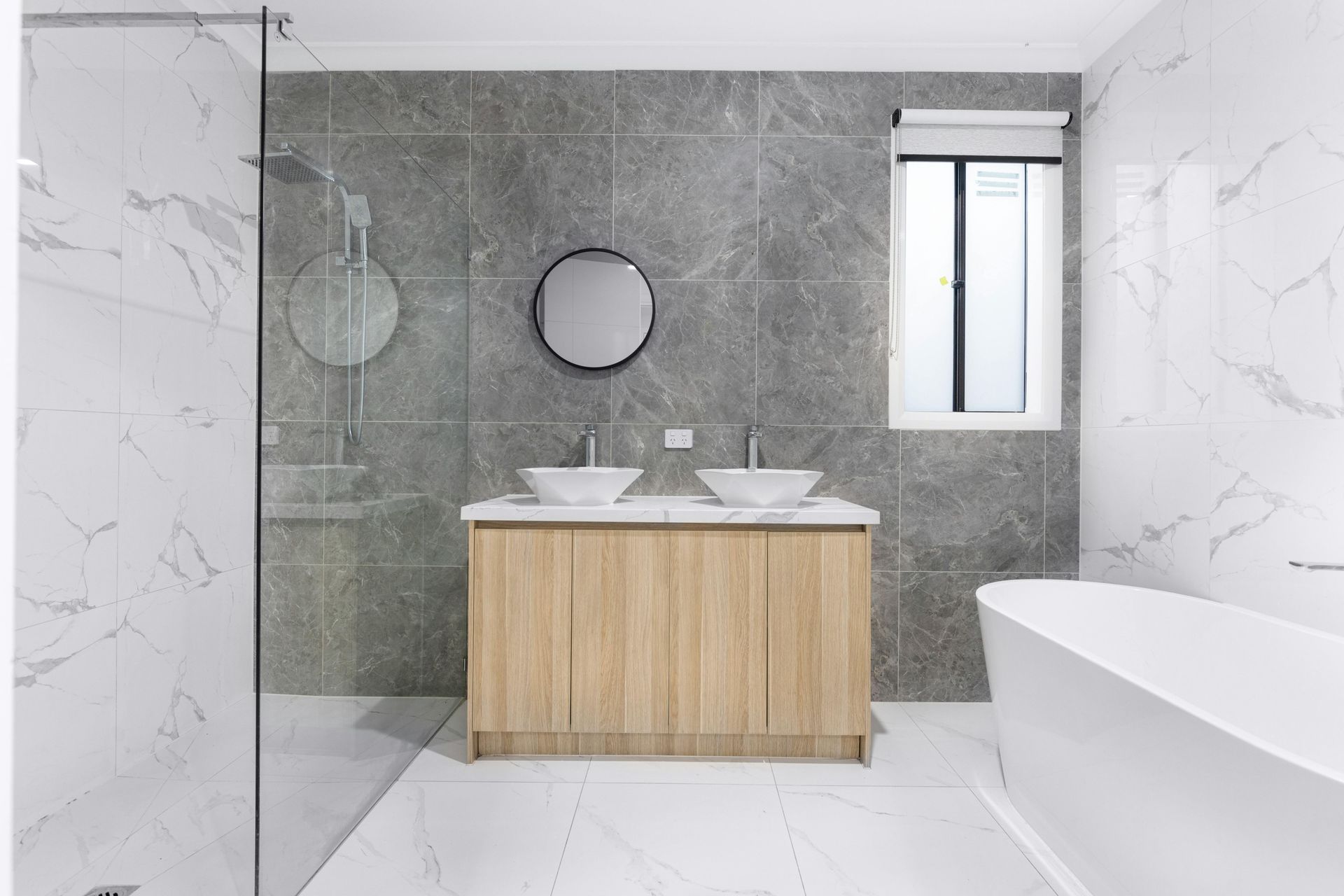
Modern bathroom with double vanity, glass shower, white marble walls, and freestanding tub
By Livella Underfloor Heating • May 11, 2026
Tom in Northcote needed underfloor heating installed before the tiler arrived. Livella coordinated everything and delivered on time. Read his renovation story.
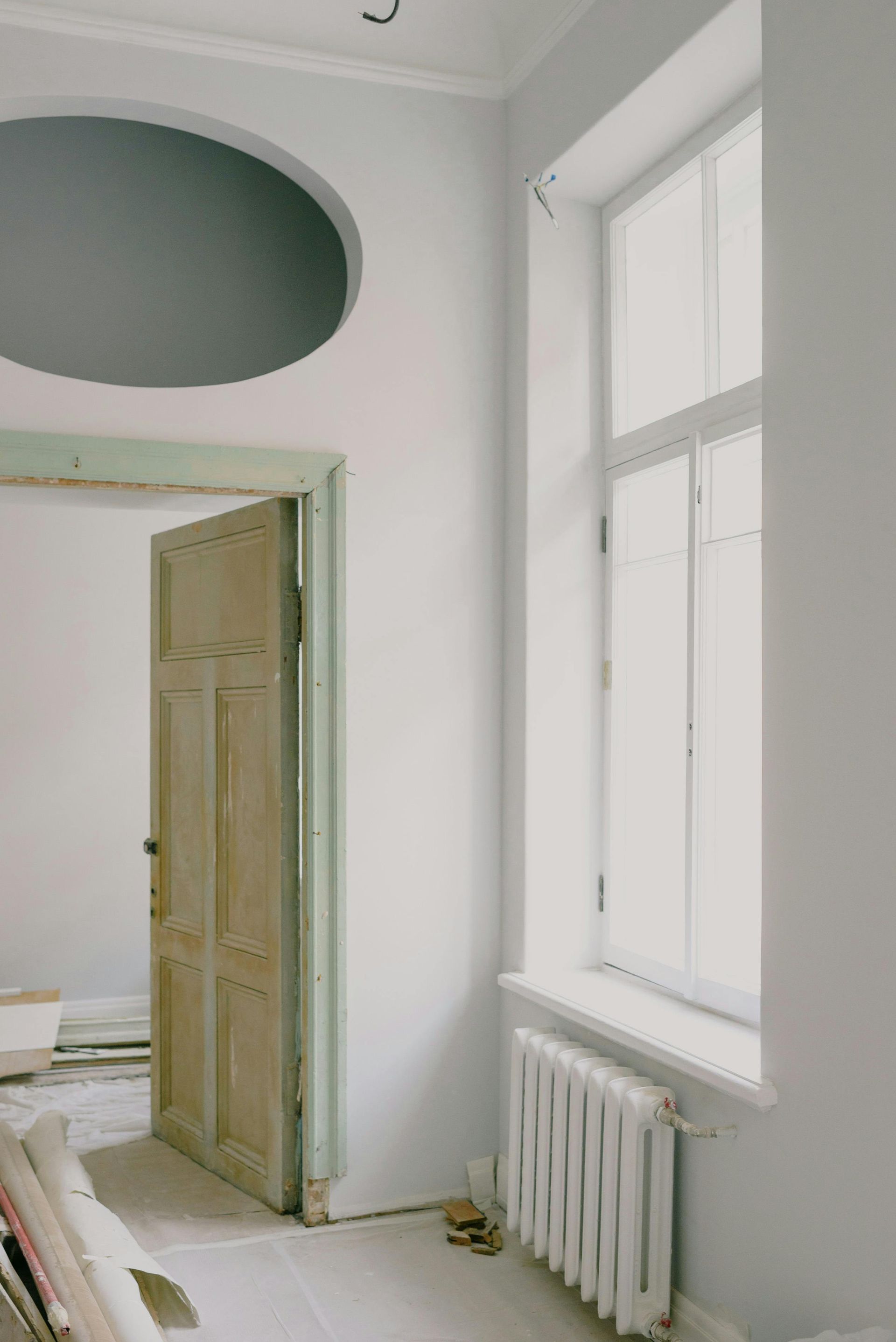
Bright white room with open wooden door, tall window, radiator, and oval ceiling opening.
By Livella Underfloor Heating • May 11, 2026
Sarah from Brighton shares how Livella Underfloor Heating transformed her cold tiled home. Find out why underfloor heating Melbourne is worth every cent.
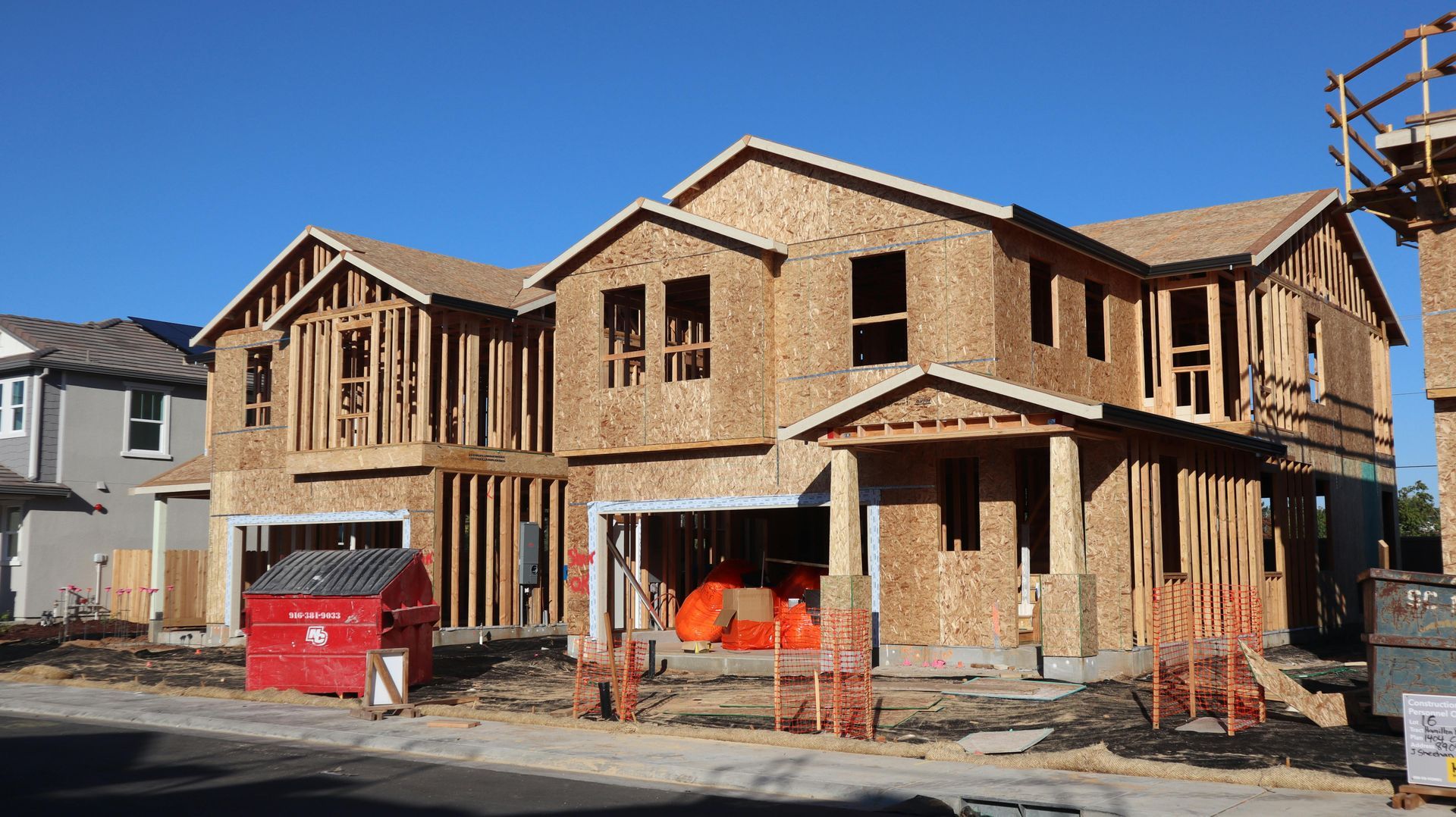
Two-story house under construction with exposed wood framing, red dumpster, and orange barriers under a blue sky
By Livella Underfloor Heating • May 11, 2026
Marcus from Toorak shares how Livella Underfloor Heating helped spec the perfect hydronic system for his new Melbourne home build. Read his full story.
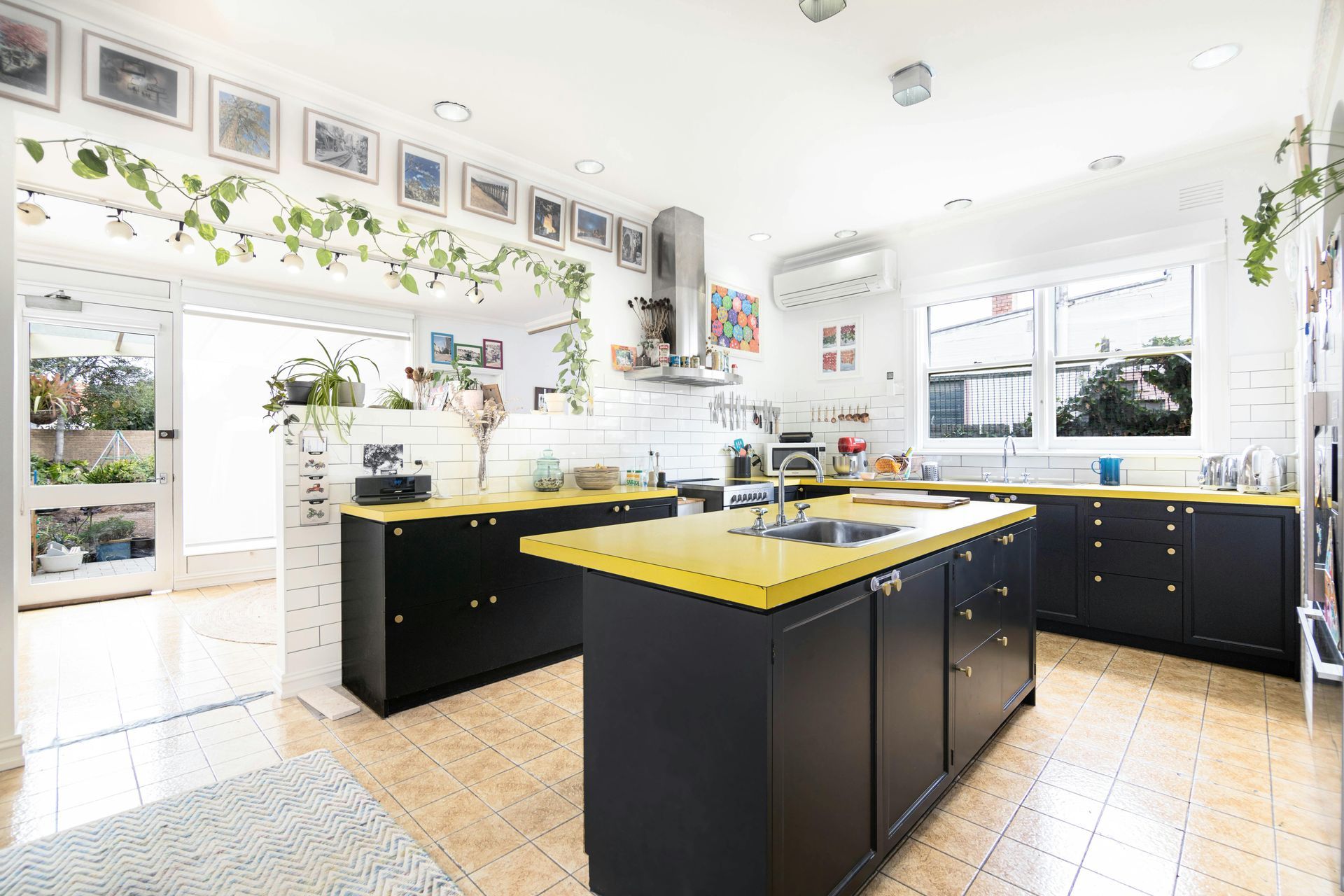
Bright kitchen with black cabinets, yellow countertops, white tile floor, and many windows and plants
By Livella Underfloor Heating • May 11, 2026
Renata from South Yarra stopped comparing and chose Livella Underfloor Heating. Find out why their honest advice made the decision easy for her renovation.
Stairwell interior with unfinished tiled floor, glass railing, and a worker in red at left.
By Livella Underfloor Heating • May 11, 2026
Claire organised underfloor heating for her elderly parents' Balwyn home. Livella's patient, clear approach made the whole experience stress-free. Read more.

Show More